Capacitive sensing technology has quietly become a cornerstone of modern electronics, embedded in devices we interact with daily. At its core, a capacitive sensor operates by detecting changes in capacitance—the ability of a system to store an electrical charge. Unlike mechanical switches or resistive touchscreens, capacitive sensors require no physical pressure or moving parts. They work by establishing an electrostatic field. When a conductive object, like a human finger, or a material with a different dielectric constant approaches the sensor's electrode, it alters this field, resulting in a measurable change in capacitance. This simple yet profound principle enables a vast array of intuitive and reliable applications.
The fundamental components are straightforward: one or more sensing electrodes and control electronics. The electrode acts as one plate of a virtual capacitor. The other plate can be a ground plane, another electrode, or even the environment itself. The control circuitry, often a dedicated microcontroller or integrated chip, continuously measures the capacitance at the electrode. Sophisticated algorithms then interpret these minute changes, filtering out environmental noise to register a valid touch, proximity, or positional change. This measurement can be done through various methods, such as measuring the charge/discharge time of the RC circuit or using frequency modulation techniques.
One of the most ubiquitous applications is in touchscreens. Projected capacitive technology, which uses a grid of electrodes, allows for multi-touch gestures like pinch-to-zoom and swiping, forming the intuitive interface of smartphones and tablets. Beyond screens, capacitive touch has replaced mechanical buttons in automotive dashboards, home appliances, and industrial control panels, offering sleek, sealed surfaces that are easy to clean and resistant to wear.
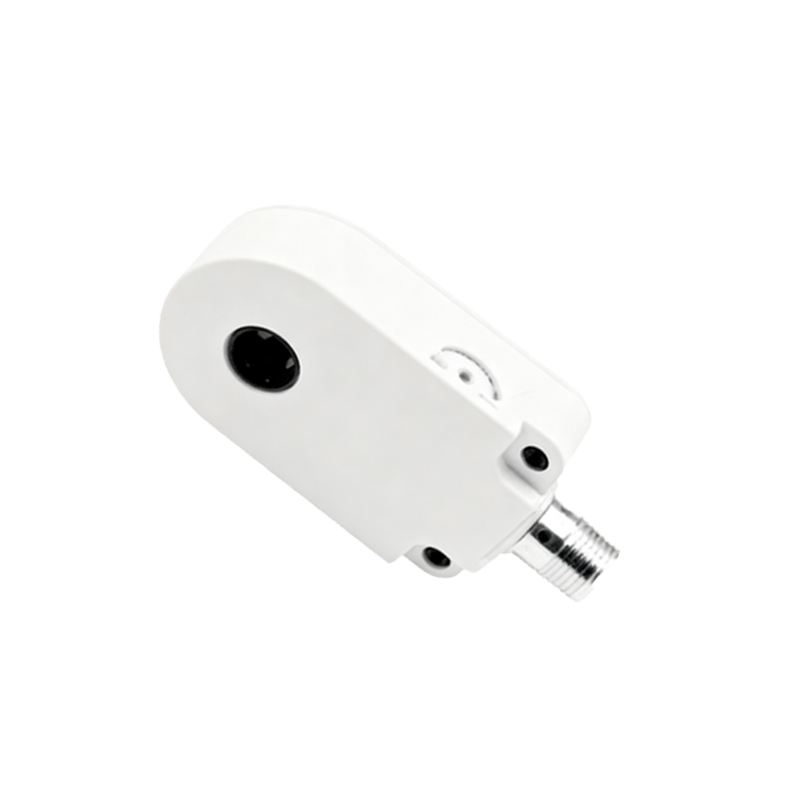
However, the utility of capacitive sensors extends far beyond simple touch. Proximity sensors use the same principle to detect an object's presence without physical contact, enabling features like automatic faucet activation, phone screen blanking when held to the ear, and gesture recognition in smart devices. Furthermore, capacitive technology is pivotal in precision measurement. It can gauge parameters like displacement, pressure, liquid level, and humidity with high accuracy. For instance, in manufacturing, capacitive sensors can detect the presence of a non-metallic material or measure the thickness of a plastic film. In the medical field, they are used in respiratory monitors and touch-sensitive surgical tools.
The advantages of capacitive sensing are significant. They offer excellent durability due to the lack of moving parts, high sensitivity, and fast response times. They can function through non-conductive materials like glass or plastic, allowing for completely sealed interfaces. This makes them ideal for harsh or sterile environments. Additionally, they consume very little power, a critical factor for battery-operated IoT devices.
Despite their strengths, designers must consider certain challenges. Capacitive sensors can be susceptible to environmental factors such as temperature fluctuations, moisture, and electromagnetic interference. A layer of water or condensation on a touchscreen can cause false triggers. Careful sensor design, shielding, and robust software algorithms are essential to mitigate these effects. Furthermore, they typically require calibration during manufacturing and may not work reliably with thick gloves or non-conductive styluses unless specifically designed to do so.
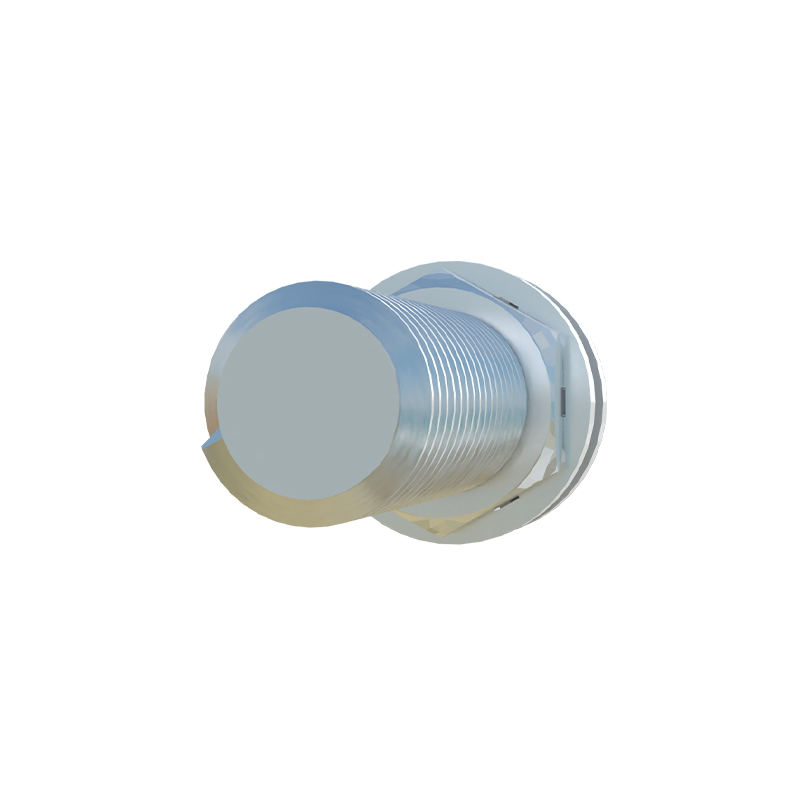
Looking forward, the evolution of capacitive sensing is intertwined with trends in the Internet of Things (IoT), automotive innovation, and human-machine interface (HMI) design. We are seeing the development of flexible and transparent capacitive sensors for wearable electronics and curved displays. In automotive interiors, entire surfaces are becoming "smart surfaces," capable of detecting touch and gesture for controlling infotainment and climate systems. Advanced systems are moving towards 3D sensing, capable of not just detecting touch but also gauging the force of a press or the precise shape of an approaching hand.
Research is also focusing on improving noise immunity and developing novel materials for electrodes to increase sensitivity and reduce cost. The integration of machine learning with capacitive sensor data is opening new frontiers in context-aware computing, allowing devices to better understand user intent based on how they are touched or approached.
In conclusion, capacitive sensors represent a versatile and enabling technology. From the simple act of unlocking a smartphone to complex industrial automation and emerging interactive environments, their ability to translate physical interaction into digital signals reliably and efficiently continues to drive innovation. As the demand for more natural, seamless, and intelligent interfaces grows, capacitive sensing will undoubtedly remain at the forefront, evolving to meet the challenges of next-generation electronic design.