Introduction to Proximity Switch Fundamentals
A proximity switch, or proximity sensor, is a non-contact electronic device designed to detect the presence or absence of an object within its sensing range without any physical contact. Unlike mechanical limit switches, they operate based on changes in an electromagnetic field, offering superior reliability, speed, and longevity. Among the various configurations, the 220V Normally Closed (NC) proximity switch holds a critical position in industrial control systems. The "220V" denotes its operating voltage, compatible with standard industrial AC power supplies, while "Normally Closed" describes its default electrical state when no target is present. This fundamental understanding is key to proper selection and integration.
Defining the Normally Closed (NC) Operation
The term "Normally Closed" refers to the initial state of the sensor's output circuit. In a 220V NC proximity switch, when the sensor is powered on and no target object is within its detection field, the output circuit remains closed. This means electrical current can flow through the switch. When a target object enters the sensing range, the switch activates and changes state, opening the circuit and interrupting the current flow. This behavior is the inverse of a Normally Open (NO) sensor. The NC configuration is often chosen for safety-critical applications, such as emergency stop circuits or guard door monitoring, where a wire break or power loss mimics the "target present" state, triggering a safe shutdown.
Key Technical Specifications and Selection Criteria
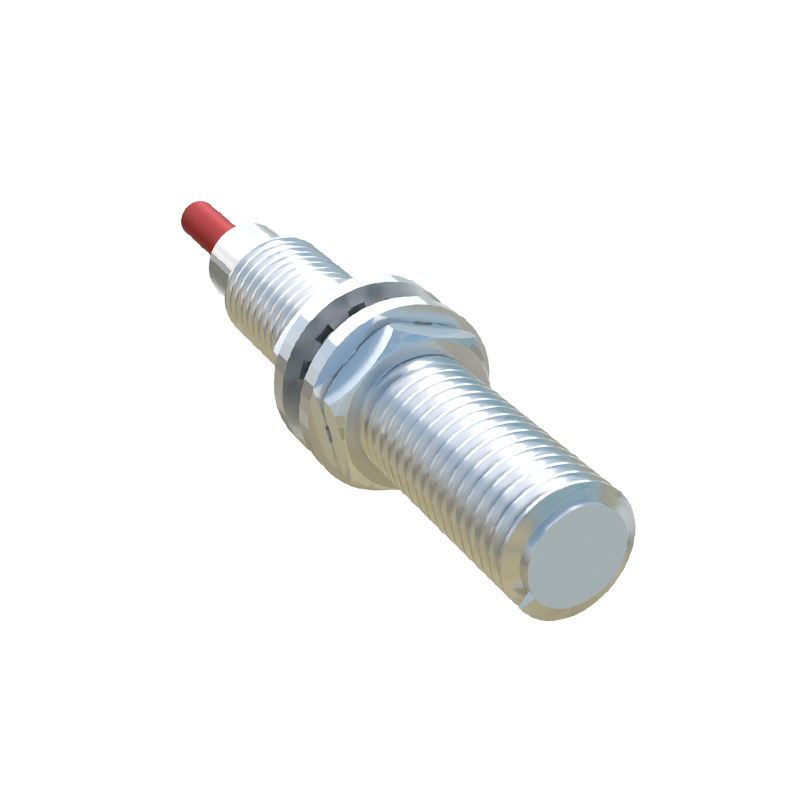
Selecting the correct 220V NC proximity switch requires careful analysis of several parameters beyond just voltage and output type. Sensing distance, often rated for a standard target, is crucial for mechanical layout. The housing material, typically nickel-plated brass, stainless steel, or PBT plastic, must withstand the environmental conditions like moisture, chemicals, or physical impact. The switching frequency defines how quickly the sensor can detect objects in rapid succession. Additionally, one must consider the output type: two-wire AC sensors are simple but have a residual current, while three-wire versions offer separate power, ground, and signal wires for clearer switching. The IP (Ingress Protection) rating, such as IP67, indicates the level of protection against dust and water immersion.
Wiring and Installation Best Practices
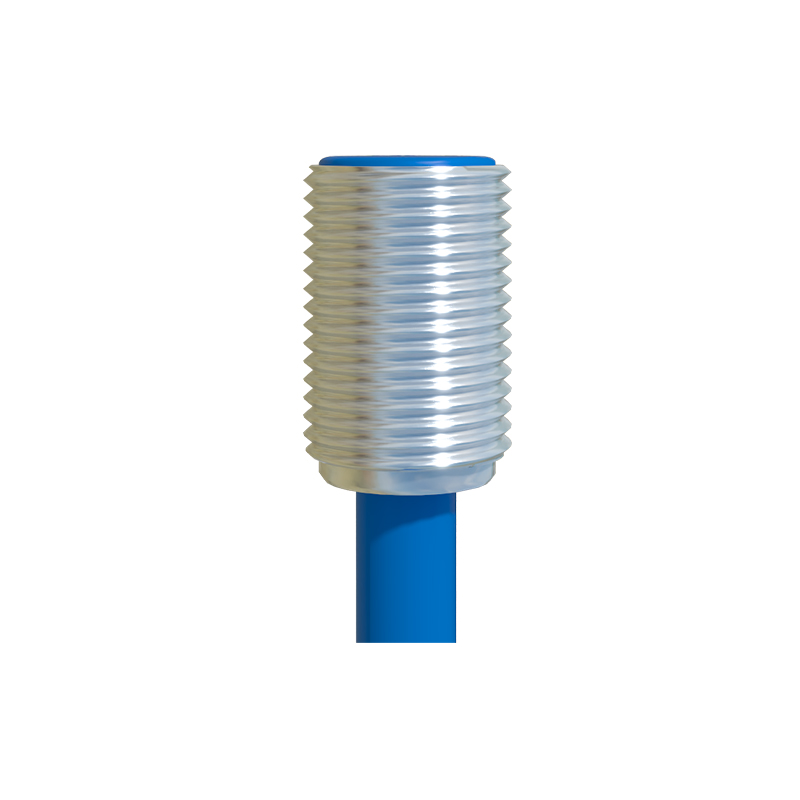
Proper installation is paramount for reliable operation. Always disconnect power before wiring. A typical 220V two-wire NC proximity switch is connected in series with the load (e.g., a PLC input, relay coil, or indicator lamp) across the Line and Neutral wires. For three-wire models, the brown wire (L+) connects to 220V Phase, the blue wire (N) to Neutral, and the black wire is the NC output signal. The metal body must be properly grounded. Ensure adequate clearance around the sensor to prevent false triggering by adjacent metal structures. Mount the sensor securely to minimize vibration, and pay close attention to the sensing direction (axial, lateral, or omnidirectional) as specified by the manufacturer.
Common Industrial Applications and Use Cases
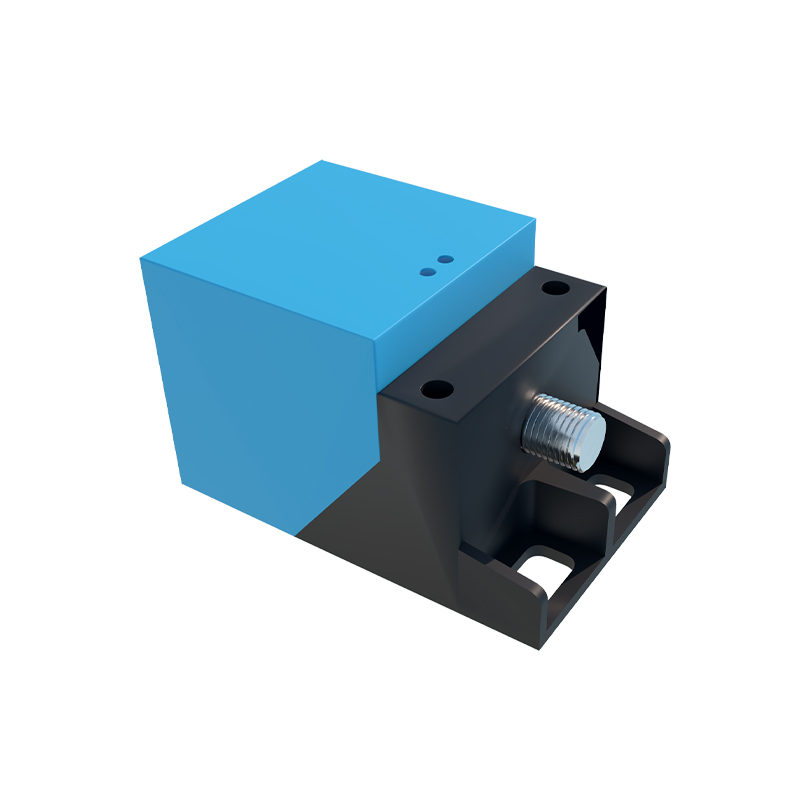
The 220V NC proximity switch finds extensive use across automation. In machine safety, it is employed to confirm that a safety guard is fully closed before machine initiation. On conveyor systems, it can detect the absence of a product, signaling a jam or feed fault. In positioning applications, it acts as an end-of-travel limit switch for cylinders or lifts. Its direct compatibility with 220V AC control circuits simplifies panel design, often interfacing directly with contactors, motor starters, or pilot lights without the need for additional power converters. This makes it a versatile component in packaging, material handling, automotive assembly, and metalworking machinery.
Troubleshooting and Maintenance Guidelines
Despite their robustness, issues can arise. Common problems include failure to detect targets, which may be caused by insufficient sensing distance, a misaligned target, or sensor overload. Constant activation might indicate a faulty sensor, incorrect wiring, or metallic debris lodged in the sensing face. Always verify power supply voltage first. Use a multimeter to check for voltage at the sensor terminals and to see if the output state changes when a target is introduced. Regular maintenance involves keeping the sensing face clean from oil, dust, or metal chips, checking for physical damage to the housing or cable, and ensuring all electrical connections remain tight. Preventive replacement in high-cycle applications can avoid unplanned downtime.
Advantages Over Mechanical and Low-Voltage Sensors
The 220V NC proximity switch offers distinct benefits. Compared to mechanical switches, it has no moving parts to wear out, resulting in a virtually infinite mechanical life and higher operational speeds. The non-contact sensing eliminates issues like contact bounce and is