Introduction to Photoelectric Sensing Technology
Photoelectric sensors are indispensable components in modern industrial automation, renowned for their non-contact detection capabilities. These devices operate on a simple yet powerful principle: they emit a beam of light, typically from an LED or laser diode, and detect changes in the received light to sense the presence, absence, or distance of an object. The core advantages include high precision, long sensing ranges, fast response times, and the ability to detect a wide variety of materials, including glass, metal, plastic, and liquids. Their versatility makes them superior to mechanical limit switches or proximity sensors in many applications, especially where delicate objects or hygienic conditions are involved. From packaging lines and material handling to automotive assembly and pharmaceutical production, photoelectric sensors form the eyes of automated systems, ensuring efficiency, safety, and quality control.
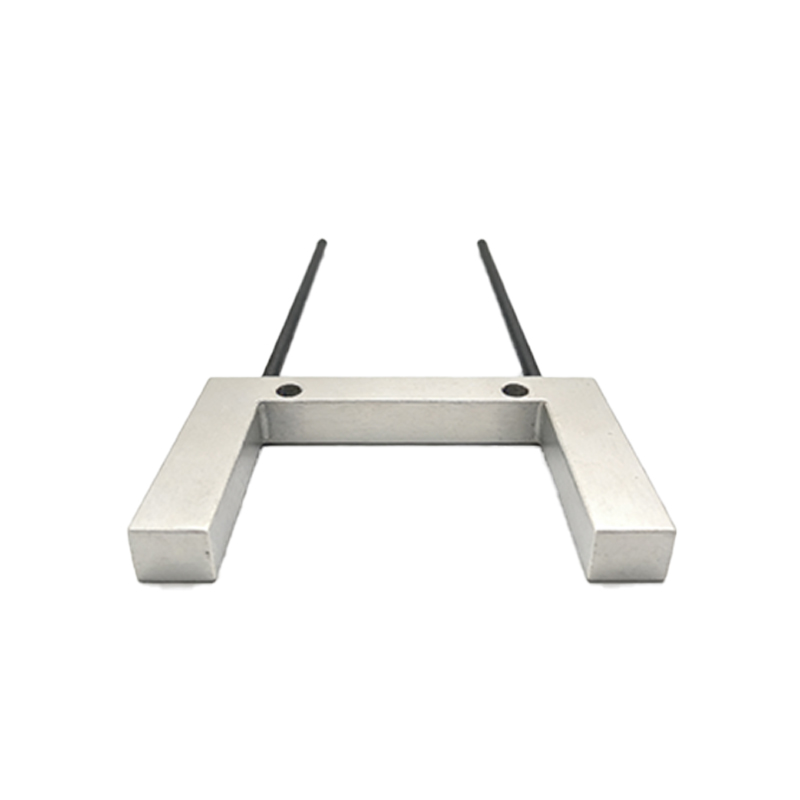
Through-Beam Sensors (Opposed Mode)
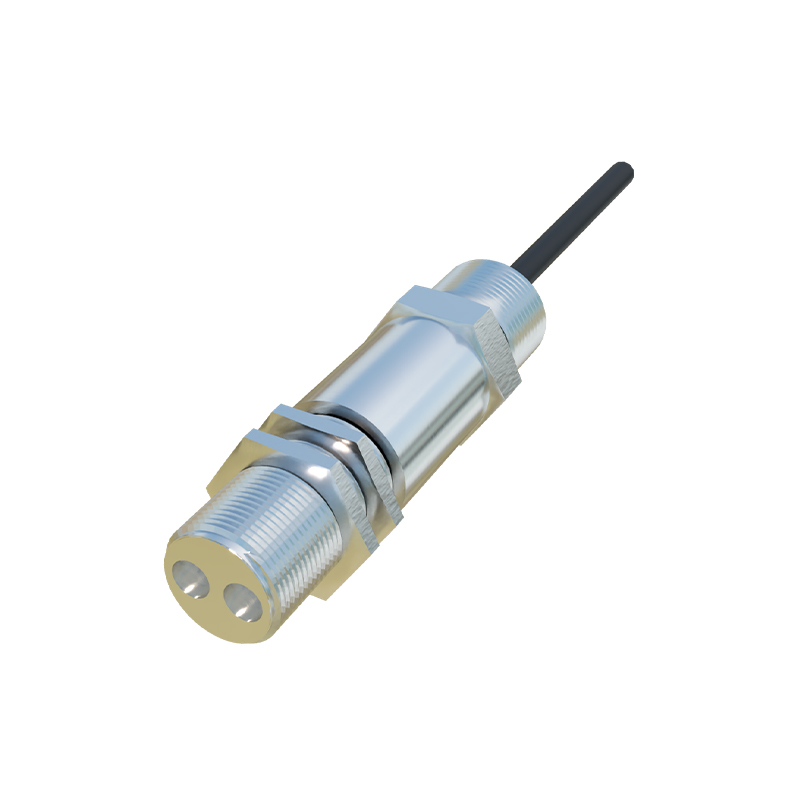
Through-beam sensors, also known as opposed mode sensors, consist of two separate units: a transmitter and a receiver. The transmitter projects a continuous beam of light directly to the receiver. An object is detected when it interrupts this beam. This configuration offers the longest possible sensing range and highest excess gain, making it extremely reliable even in environments with dust, dirt, or harsh lighting. Because the beam path is direct and the receiver is aligned solely with its dedicated transmitter, through-beam sensors are highly immune to optical interference. Common applications include detecting large objects on conveyors, checking for broken wires or threads in textile machinery, and providing safety curtains for personnel protection around hazardous machinery.
Retroreflective Sensors
Retroreflective sensors combine the transmitter and receiver into a single housing. They operate by projecting light toward a specially designed reflector, often a corner-cube or tape reflector, which bounces the light beam directly back to the receiver. Detection occurs when an object blocks this reflected beam. This design simplifies installation compared to through-beam sensors, as only one device needs wiring and alignment, and the reflector is passive. However, the effective sensing distance is typically shorter than through-beam models. A key consideration is that shiny or highly reflective objects might sometimes be mistaken for the reflector, causing false triggers. Many modern retroreflective sensors incorporate polarization filters to mitigate this, ensuring only light that has traveled to the reflector and back is recognized.
Diffuse Reflective Sensors (Proximity Mode)
Diffuse sensors, or proximity sensors, are the most compact type, housing both the emitter and receiver in one unit. Instead of using a separate reflector, they detect light that is scattered (diffused) off the surface of the target object itself. When an object enters the sensing field, enough diffused light returns to the receiver to trigger a detection signal. This makes installation very straightforward, as no separate reflector or receiver unit is needed. However, sensing distance is the shortest among the three main types, and performance is highly dependent on the object's color, surface texture, and reflectivity. Light-colored objects are detected at greater distances than dark, matte ones. Diffuse sensors are ideal for applications like detecting objects on a short conveyor, counting bottles, or sensing the presence of a part in a fixture.
Specialized Photoelectric Sensor Variants
Beyond the three primary types, several specialized variants address unique application challenges. Background Suppression (BGS) sensors are a sophisticated form of diffuse sensor that uses triangulation to detect objects only within a precise, defined distance, ignoring any background beyond that point. This is crucial for detecting objects on a conveyor belt regardless of the belt's color or detecting a specific part in a bin. Contrast sensors are designed to detect differences in color or grayscale, often used in label detection or print registration. Color sensors can identify specific RGB values. Luminescence sensors detect the presence of materials that glow under UV light. Finally, fiber optic photoelectric sensors use flexible light guides to deliver light to and from extremely small or hard-to-reach spaces, such as inside machinery or high-temperature environments, with the amplifier unit placed remotely.
Key Selection Criteria for Application
Choosing the correct photoelectric sensor type is critical for system reliability. The primary factors include required sensing distance, object characteristics, and environmental conditions. For long-range, reliable detection in dirty environments, a through-beam sensor is optimal. For medium-range applications where easy installation is key, a retroreflective sensor is suitable. For short-range detection where only one side of the object is accessible, a diffuse sensor is the default choice, with Background Suppression models needed for precise distance-based detection. Engineers must also consider the light source (visible red, infrared, laser), output type (PNP/NPN, analog, IO-Link), housing material (metal or plastic for washdown), and ingress protection (IP) rating for dust and moisture resistance. Proper selection ensures optimal performance, longevity, and cost-effectiveness in the intended application.