In the realm of modern electronics, the seamless interaction between devices and their environment is often facilitated by inconspicuous yet critical components. Among these, the proximity light sensor, particularly models designated with "HS" such as the Proximity Light Sensor HS, plays a fundamental role. This sensor represents a sophisticated fusion of optical and electronic technologies designed to detect the presence or absence of nearby objects without any physical contact.
At its core, a proximity light sensor operates on a straightforward principle. It typically contains an infrared light-emitting diode (IR LED) and a photodetector, such as a phototransistor or photodiode. The IR LED emits a beam of infrared light. When an object comes within a specific range of the sensor, this light is reflected back towards the photodetector. The sensor's internal circuitry then measures the intensity of the reflected light. A significant change in this intensity indicates the presence of an object within the detection field. The "HS" designation often implies specific performance characteristics, potentially relating to high sensitivity, high speed, or a particular housing/series from a manufacturer, enabling precise and rapid detection.
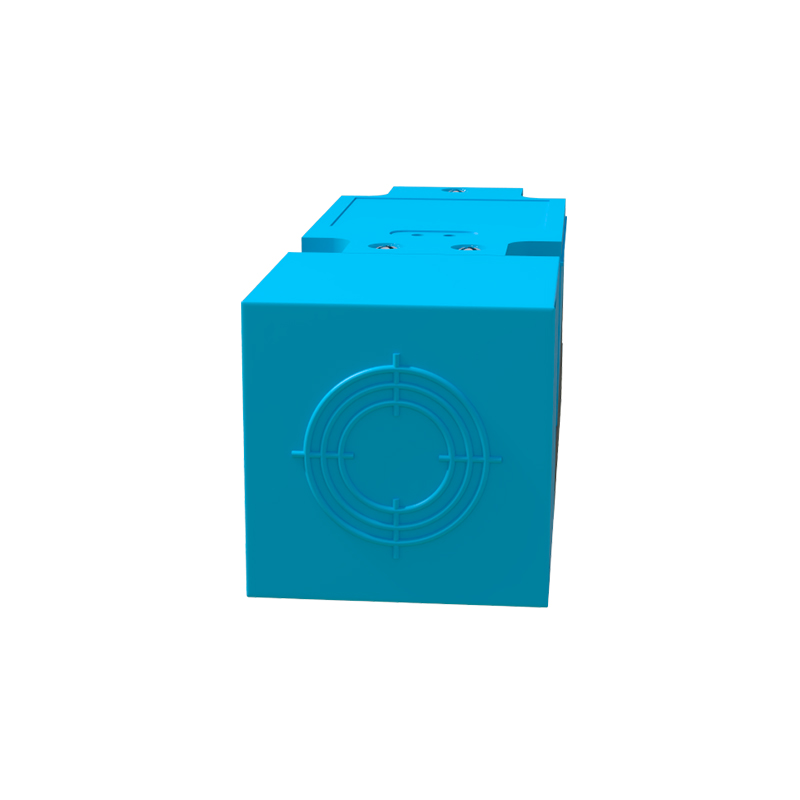
The advantages of using such a sensor are manifold. Its non-contact nature eliminates mechanical wear and tear, ensuring long-term reliability. It can detect virtually any material that reflects infrared light, including glass, plastic, wood, and human skin. Furthermore, these sensors are generally immune to ambient light interference due to modulation techniques, where the emitted IR light is pulsed at a specific frequency, and the detector is tuned to recognize only that frequency. This makes them exceptionally robust for use in various lighting conditions.
Applications for the Proximity Light Sensor HS are vast and integral to daily technology. One of the most common uses is in smartphones and tablets. Here, the sensor detects when a user holds the phone to their ear during a call. It subsequently signals the device to turn off the touchscreen display to prevent accidental cheek-triggered inputs and conserve battery power. Similarly, in laptops, these sensors can help in power management by putting the device to sleep when the lid is closed or when the user steps away.
Beyond consumer electronics, these sensors are pivotal in industrial automation. They are employed on assembly lines for object counting, jam detection in conveyor systems, and determining the position of machinery parts. In the automotive sector, they contribute to safety and comfort systems, such as automatic door openers, gesture control for infotainment systems, and occupancy detection for airbag deployment optimization. Even in home appliances, you might find them in automatic faucets, soap dispensers, and paper towel dispensers, promoting hygiene and convenience.
When integrating a Proximity Light Sensor HS into a design, several key parameters require consideration. The sensing range is paramount, defining the minimum and maximum distances for reliable detection. The response time determines how quickly the sensor can react to a change in proximity, which is crucial for high-speed applications. The operating voltage and current consumption are critical for portable, battery-powered devices. Environmental factors like temperature range and potential exposure to dust or moisture also dictate the choice of sensor housing and specifications.
Calibration is another essential aspect. During production, sensors are often calibrated to account for variations in component tolerance and to set a precise threshold for detection. This ensures consistent performance across all units. Furthermore, modern digital versions of these sensors come with integrated signal processing, offering interfaces like I2C or SPI, which simplify communication with microcontrollers and provide more refined data, such as direct proximity measurements in millimeters.
Looking ahead, the evolution of proximity light sensors continues. Trends point towards even smaller form factors, lower power consumption, and enhanced integration with other sensing modalities like ambient light sensing (ALS) in combo chips. This allows devices to intelligently adjust screen brightness based on both ambient light and proximity to the user's face. Advancements in algorithms and machine learning could also enable more complex gesture recognition, expanding human-machine interaction paradigms.
In conclusion, the Proximity Light Sensor HS is a quintessential example of how a simple operational principle can be engineered into a highly reliable and versatile component. Its ability to provide a silent, efficient, and non-contact detection mechanism makes it indispensable across a staggering array of industries, from the smartphone in your pocket to complex robotic systems. As technology marches forward, these sensors will undoubtedly continue to evolve, enabling even more intuitive and responsive interactions between the digital and physical worlds.