In the realm of automation and smart technology, proximity sensors stand as silent sentinels, enabling devices to perceive and interact with their surroundings without physical contact. These sophisticated components detect the presence or absence of an object within a defined range, triggering a corresponding electronic signal. Their operation hinges on various physical principles, primarily electromagnetic fields, capacitance, and light. The most common types include inductive sensors, which detect metallic objects through changes in an electromagnetic field; capacitive sensors, which sense both metallic and non-metallic materials by measuring changes in capacitance; and photoelectric sensors, which use a light beam, often infrared, to detect object presence.
The fundamental working principle involves the sensor emitting a field or beam and monitoring for disturbances or reflections. For instance, an inductive proximity sensor generates an oscillating electromagnetic field from its face. When a metallic object enters this field, it induces eddy currents on the object's surface, which in turn dampens the oscillation amplitude of the sensor's internal circuit. This change is detected and converted into a digital output signal, typically switching from "off" to "on." This non-contact method offers significant advantages, including high reliability, long operational life due to the absence of mechanical wear, and the ability to function in harsh environments where dirt, oil, or moisture would compromise physical switches.
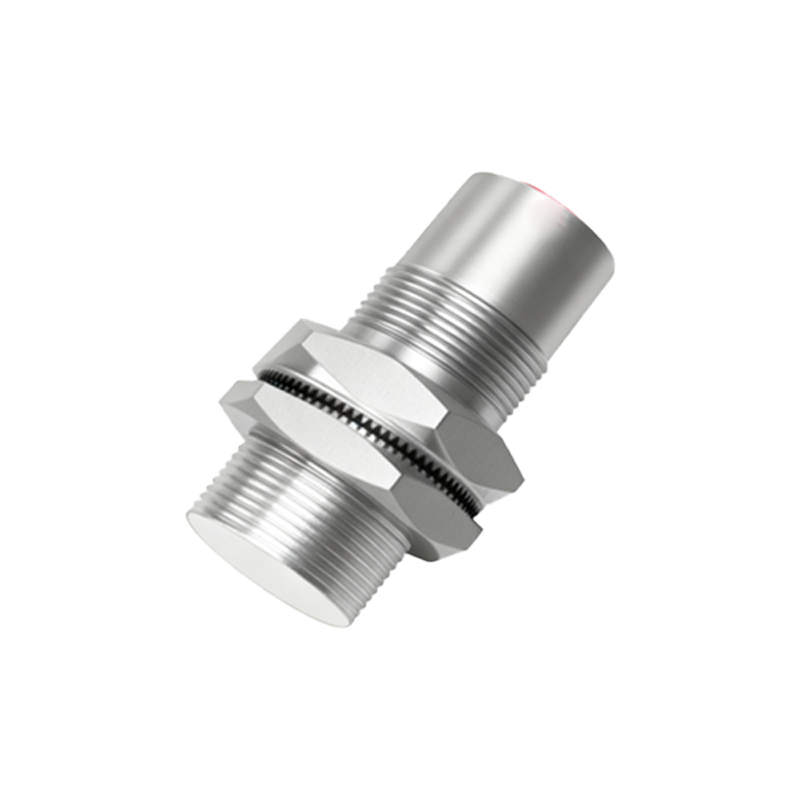
Applications for proximity sensors are vast and integral to modern industry and consumer electronics. In industrial automation, they are ubiquitous on assembly lines for precise object counting, position verification, and limit switching in machinery. They ensure robotic arms operate within safe parameters and confirm the presence of components before a process begins. The automotive industry relies heavily on them for safety and convenience features, such as parking assistance systems that alert drivers to nearby obstacles. In the consumer domain, perhaps the most recognizable application is in smartphones and tablets, where a proximity sensor detects when the device is held to the user's ear during a call, automatically deactivating the touchscreen to prevent accidental inputs and conserving battery power.
Selecting the appropriate proximity sensor requires careful consideration of several key parameters. Sensing range, defined as the maximum distance at which the sensor can reliably detect a standard target, is paramount. The target material also dictates the choice; inductive sensors are exclusive to metals, while capacitive sensors offer more versatility. Environmental factors like temperature extremes, potential exposure to chemicals, or washdown conditions necessitate sensors with specific ingress protection (IP) ratings. Output configuration, whether NPN (sinking) or PNP (sourcing), must be compatible with the control system's input module. Furthermore, mounting constraints, response frequency for high-speed applications, and the need for built-in diagnostics or IO-Link communication for Industry 4.0 integration are critical decision factors.
Installation and maintenance, while generally straightforward, demand attention to detail for optimal performance. Sensors must be mounted securely to prevent vibration-induced errors, and adequate clearance from surrounding metal (the "flush-mountable" feature notwithstanding) is often required to avoid false triggering. Electrical wiring should follow manufacturer guidelines, ensuring correct polarity and the use of proper shielding in electrically noisy environments. Regular maintenance involves cleaning the sensor face to remove debris that could attenuate the sensing field and periodically verifying the sensing distance and output signal integrity as part of a preventive maintenance schedule.
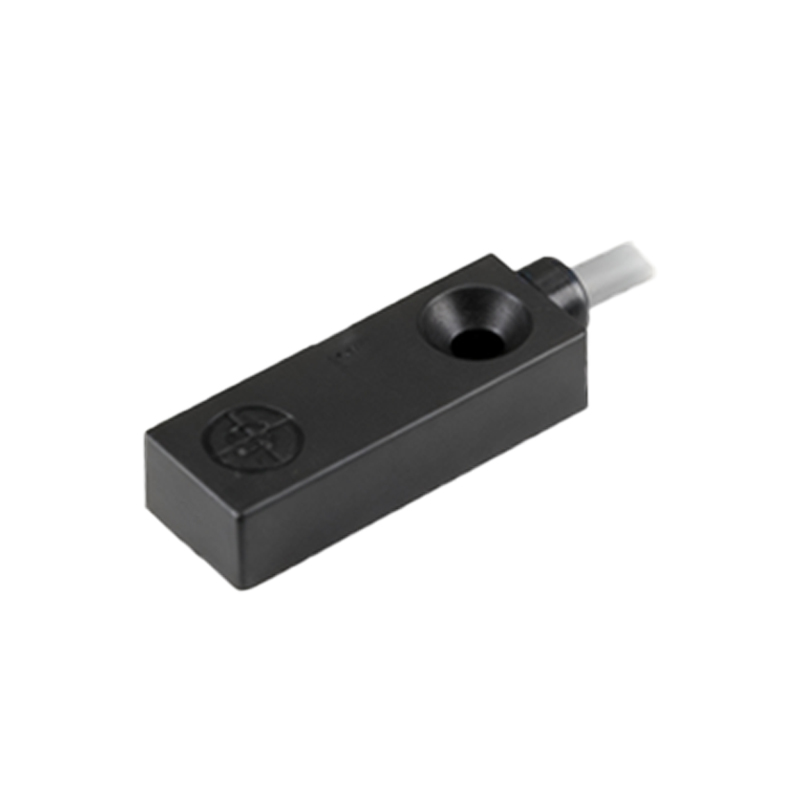
Looking ahead, the evolution of proximity sensing technology is closely tied to broader trends in digitization and miniaturization. The integration of advanced diagnostics and predictive maintenance capabilities through smart sensor protocols like IO-Link is becoming standard, providing detailed health and process data to control systems. There is a continuous push for sensors with longer ranges, higher switching frequencies, and greater resistance to environmental interference. Furthermore, the development of novel sensing principles and the fusion of multiple sensing technologies (e.g., combining proximity with ambient light sensing) will unlock new applications in robotics, autonomous vehicles, and the ever-expanding Internet of Things (IoT), making our interactions with machines more intuitive, efficient, and safe.