In the realm of industrial automation and machine safety, the ability to detect the presence or absence of an object without physical contact is paramount. Among the various technologies enabling this, current magnetic proximity sensors stand out for their reliability, durability, and unique operating principle. Unlike standard inductive sensors that detect all metals, these specialized devices are designed to respond specifically to magnetic fields, most commonly those generated by electrical current flowing through a conductor or from a permanent magnet.
The core working principle hinges on the detection of a magnetic field. Inside the sensor housing, a sensitive reed switch or a solid-state Hall effect element acts as the sensing component. When a sufficient magnetic field—generated either by an electromagnet (like a coil with current) or a permanent magnet—enters the sensor's detection range, it triggers the internal switch. This causes a change in the sensor's output state, typically opening or closing an electrical circuit to send a signal to a controller like a PLC. It is crucial to understand that these sensors do not measure the magnitude of the current itself; they are binary devices indicating the presence or absence of a predefined magnetic field strength. Their "proximity" is to the magnetic field source, not necessarily to a physical object, though that object (e.g., a magnet) carries the field.
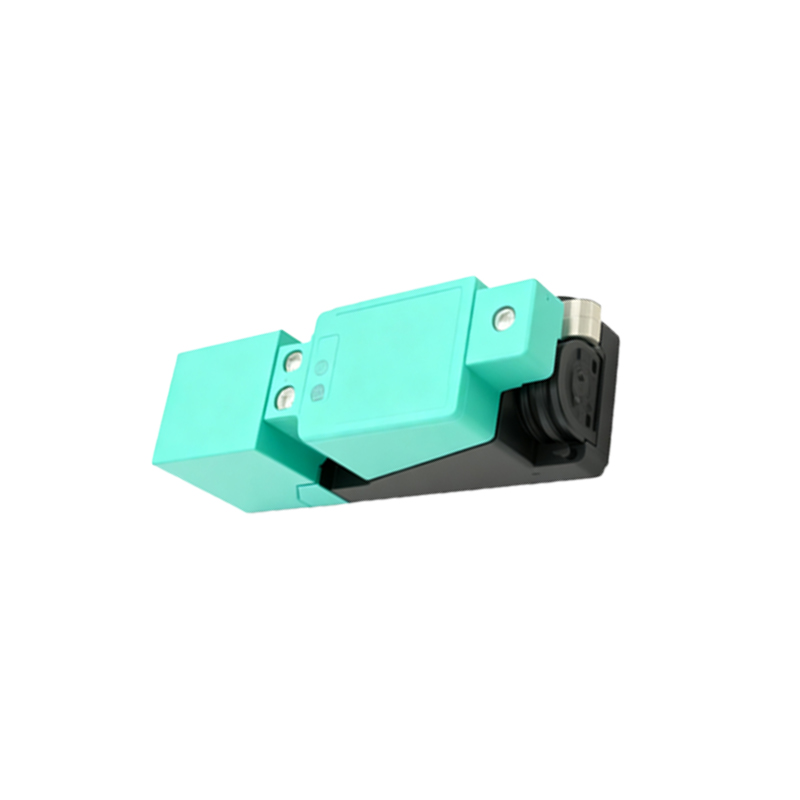
This specificity grants them significant advantages. They are inherently immune to non-magnetic materials such as aluminum, stainless steel (non-ferritic), plastic, or wood that would easily trigger a standard inductive proximity sensor. This makes them ideal for applications where only a magnetic target must be detected amidst other materials. Furthermore, they can detect through non-ferrous walls or enclosures, allowing for completely sealed, hygienic, or pressurized setups. Their operational life is exceptionally long due to the absence of mechanical wear in solid-state versions or the sealed, low-power operation of reed switches.
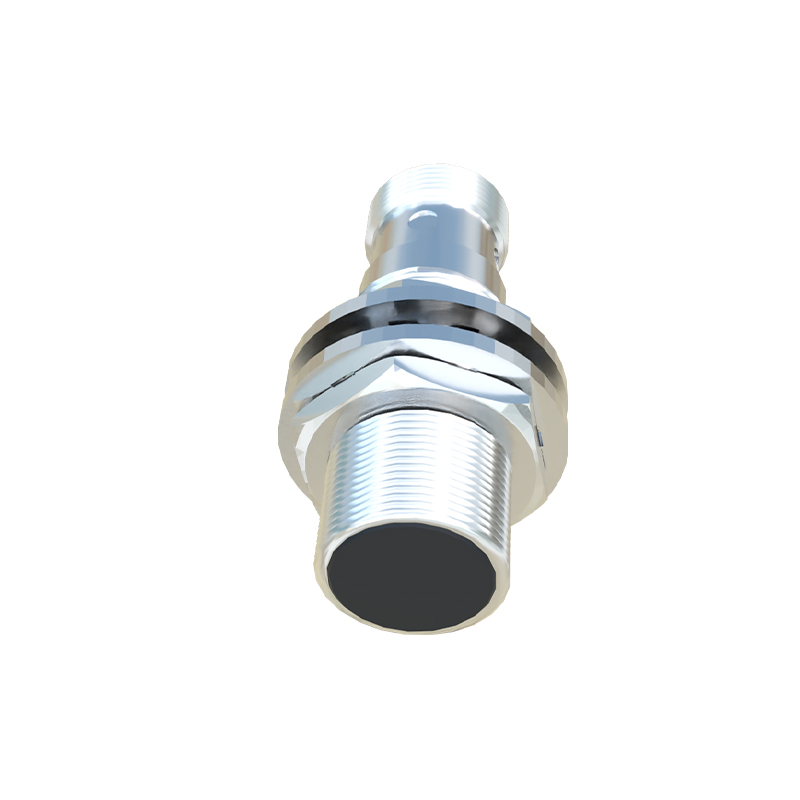
The applications for current magnetic proximity sensors are diverse and critical. A common use is in cylinder position sensing. A permanent magnet is embedded in the piston of a pneumatic or hydraulic cylinder. Sensors mounted externally on the cylinder's barrel detect when the magnet passes by, precisely indicating the piston's extended or retracted position without the need for penetrative seals or levers. In the automotive industry, they are used for gear tooth sensing, detecting the rotation of camshafts or crankshafts by sensing the magnetic variation from a ferrous gear or a dedicated magnet. They also serve as door and lid position sensors in safety-interlocked machinery, confirming a guard is securely closed before machine operation can commence. Another innovative application is in current detection for fault monitoring, where a sensor is placed near a conductor to confirm if current is flowing, acting as a simple, non-invasive current presence switch.
Selecting the right current magnetic proximity sensor requires careful consideration of several parameters. First is the sensing distance, which is typically shorter than inductive sensors and must be matched to the strength of the target magnet. The type of output (PNP/NPN, NO/NC) must be compatible with the control system's input card. Environmental factors are vital; sensors are rated with IP (Ingress Protection) codes for dust and water resistance, and must withstand ambient temperature ranges, oil, coolant, or washdown conditions. For cylinder sensing, the form factor (e.g., rectangular, tubular, or slot-style) must suit the cylinder's mounting profile. Finally, the switching frequency must be high enough to keep up with the application's speed.
Installation and maintenance are straightforward but require attention to detail. Sensors must be positioned within the specified switching distance from the magnet's path. The orientation is critical, as the magnetic field has a polarity; the sensor's sensitive face must be aligned correctly relative to the magnet's poles. Interference from stray magnetic fields from large motors or transformers should be avoided. Maintenance primarily involves checking for physical damage, ensuring tight mounting, and verifying electrical connections, as the sealed sensing element itself has no consumable parts.
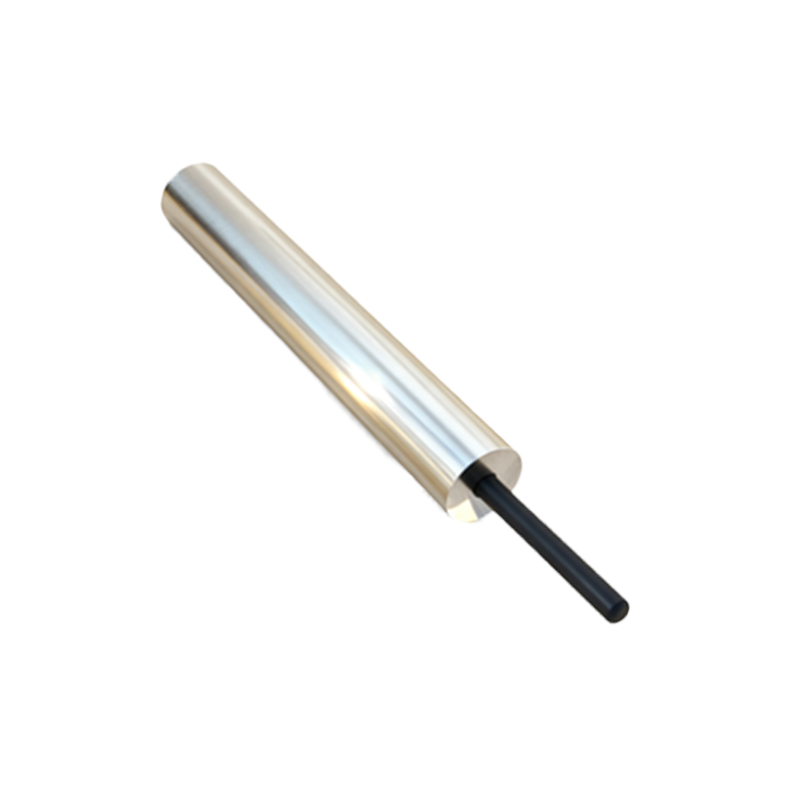
In conclusion, current magnetic proximity sensors offer a robust and specialized solution for detection tasks centered on magnetic fields. Their immunity to non-magnetic substances, ability to sense through barriers, and high reliability make them indispensable in modern industrial design. By understanding their operating principle, key advantages, and application criteria, engineers and technicians can effectively integrate these sensors to enhance automation precision, ensure safety, and build more resilient systems.