Introduction to Proximity Sensors
Proximity sensors are essential components in modern industrial automation, designed to detect the presence or absence of objects without physical contact. These devices operate based on various principles, including inductive, capacitive, ultrasonic, and photoelectric technologies. Inductive sensors are ideal for detecting metallic objects, while capacitive sensors can sense both metallic and non-metallic materials. Ultrasonic sensors use sound waves for distance measurement, and photoelectric sensors rely on light beams. The non-contact nature of proximity sensors ensures minimal wear and tear, leading to enhanced durability and reliability in harsh industrial environments. Their ability to provide precise, real-time data makes them indispensable in applications ranging from manufacturing lines to robotics.
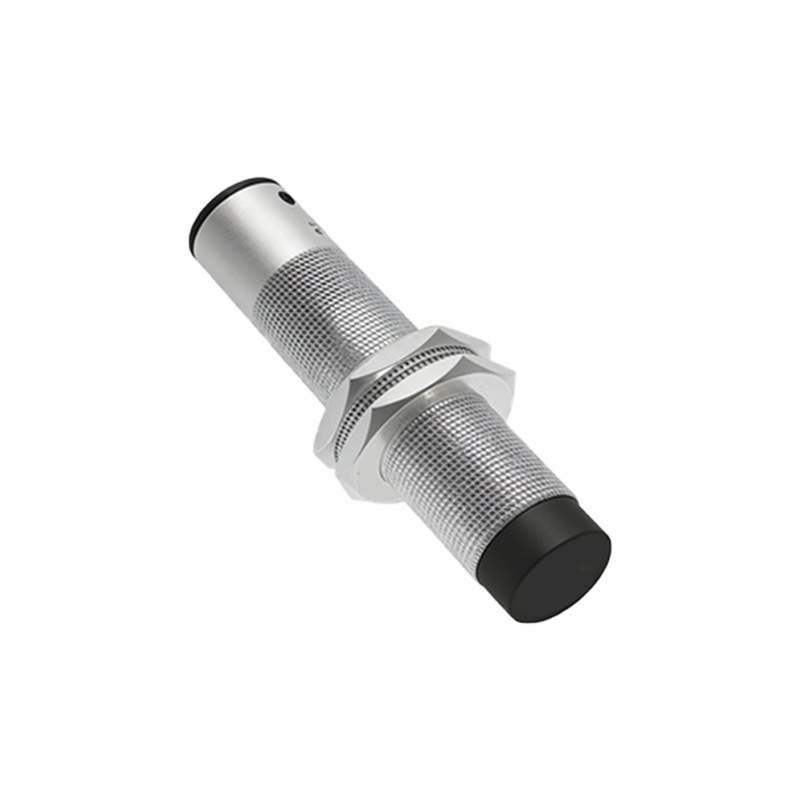
Common Industrial Applications

In industrial settings, proximity sensors are deployed across numerous sectors to optimize efficiency and safety. On assembly lines, they detect components for precise positioning, ensuring accurate robotic handling and packaging. In automotive manufacturing, inductive sensors monitor the position of metal parts during welding or painting processes. Capacitive sensors are used in food and beverage industries to detect liquid levels in containers, preventing overflow or shortages. Ultrasonic sensors assist in warehouse automation by measuring distances for inventory management and palletizing. Additionally, photoelectric sensors enable object counting in conveyor systems, contributing to quality control and production tracking. These applications highlight the versatility of proximity sensors in enhancing operational workflows.
Key Selection Criteria
Choosing the right proximity sensor requires careful consideration of several factors to match specific industrial needs. First, the sensing range must align with the distance at which objects need detection; for instance, inductive sensors typically offer shorter ranges compared to ultrasonic ones. The material of the target object is crucial—metallic items pair well with inductive sensors, while non-metallic materials may require capacitive or photoelectric options. Environmental conditions, such as temperature, humidity, and exposure to dust or chemicals, influence sensor durability; IP ratings should be checked for resistance to ingress. Output types, like NPN or PNP, must be compatible with control systems. Lastly, response time and accuracy are vital for high-speed applications, ensuring minimal latency in detection.
Installation and Maintenance Tips
Proper installation and maintenance are critical for maximizing the performance and lifespan of proximity sensors. During installation, ensure the sensor is mounted securely and aligned correctly with the target area to avoid false triggers. Avoid placing sensors near sources of electromagnetic interference, such as motors or power lines, which can disrupt signals. Regular cleaning of sensor surfaces prevents buildup of dirt or debris that might impair functionality. For inductive sensors, periodic calibration may be necessary to maintain accuracy, especially in environments with temperature fluctuations. Implementing routine inspections helps identify wear or damage early, reducing downtime. Following manufacturer guidelines for voltage and wiring specifications also prevents electrical failures.
Future Trends and Innovations
The future of proximity sensors is shaped by advancements in technology and increasing demand for smart automation. Integration with the Internet of Things (IoT) allows sensors to transmit data to cloud platforms for real-time monitoring and predictive maintenance. Miniaturization trends enable smaller sensors for compact machinery, without compromising on range or sensitivity. Enhanced materials, such as corrosion-resistant coatings, improve durability in extreme conditions. Additionally, AI-driven sensors are emerging, capable of learning patterns and adapting to complex environments. These innovations promise to expand applications in areas like autonomous vehicles and smart cities, driving efficiency and safety to new heights.