Understanding Proximity Sensing Fundamentals
Proximity switch sensors are non-contact electronic devices designed to detect the presence or absence of an object within a specified range without physical contact. These sensors are fundamental components in industrial automation, robotics, and safety systems. Their operation hinges on the principle of altering an electromagnetic field or sensing a magnetic field change. The core advantage lies in their reliability, long operational life due to the absence of moving parts, and ability to function in harsh environments where contaminants like dust, oil, or moisture are present. By eliminating mechanical wear and tear, they ensure consistent performance and reduce maintenance downtime, making them indispensable in modern manufacturing and control systems.
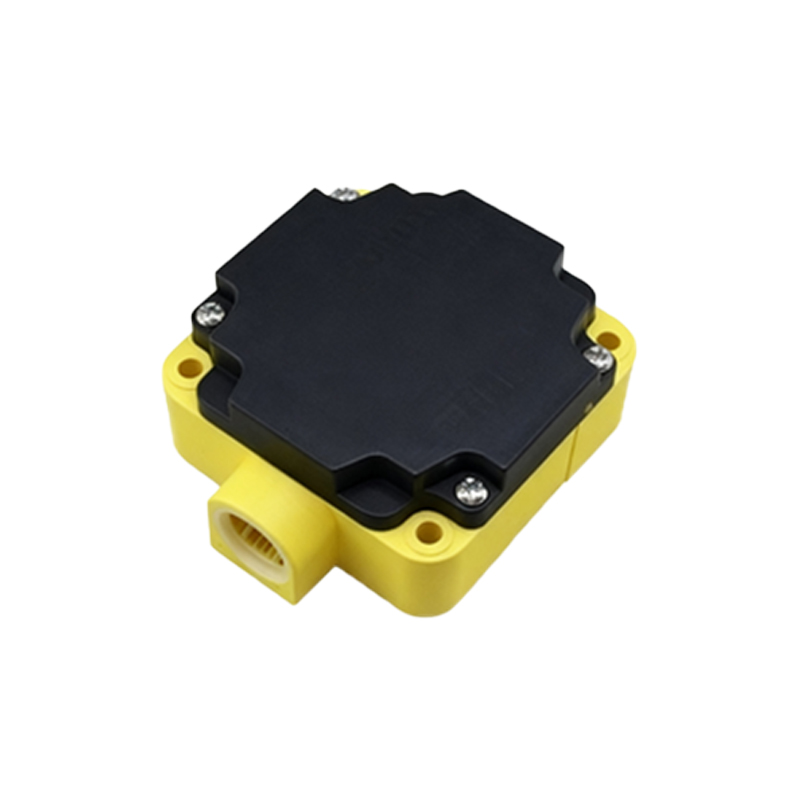
Inductive Proximity Switches: Operation and Applications
Inductive proximity sensors are specifically engineered to detect metallic objects, primarily ferrous metals like iron and steel, though some versions can sense non-ferrous metals like aluminum or copper with reduced sensing range. The sensor generates a high-frequency oscillating electromagnetic field from its active face. When a metallic target enters this field, eddy currents are induced on the surface of the target. This causes a measurable change in the oscillation amplitude or frequency within the sensor's coil circuit. The sensor's internal circuitry detects this change and triggers a solid-state output switch. Common applications include part detection on conveyor belts, position sensing of machine tool components, and end-of-travel limit switching. They are characterized by their robustness, high switching frequency, and insensitivity to non-metallic materials.
Magnetic Proximity Switches: The Role of Permanent Magnets
Magnetic proximity switches, often referred to as reed switches or magnetically actuated sensors, operate based on the interaction with a permanent magnet. The sensor itself typically contains a hermetically sealed reed contact—two ferromagnetic reeds inside a glass tube filled with inert gas. When a permanent magnet is brought within a certain distance, the magnetic field causes the reeds to attract and make contact, closing an electrical circuit. When the magnet is removed, the reeds spring back to their open position. These switches are renowned for their simplicity, low power consumption, and ability to operate through non-metallic barriers like plastic, glass, or aluminum walls. This makes them ideal for applications such as door and window security sensors, liquid level detection in tanks with float magnets, and position sensing in clean or explosive environments.
Key Selection Criteria for Engineers
Selecting the appropriate proximity sensor requires careful analysis of several technical parameters. The sensing distance, or nominal range, is critical and must account for target material, size, and installation conditions. Engineers must also consider the output type, such as NPN (sinking) or PNP (sourcing) transistor outputs, or analog outputs for distance-proportional signals. Environmental factors like temperature extremes, exposure to chemicals, and potential for physical impact dictate the required housing material, typically nickel-plated brass, stainless steel, or PBT plastic. Electrical specifications including supply voltage, current consumption, and switching frequency must align with the control system's capabilities. Finally, the mounting style—flush, non-flush, or threaded barrel—affects the sensing field and installation feasibility.
Installation and Configuration Best Practices
Proper installation is paramount for optimal sensor performance and longevity. For inductive sensors, it is crucial to maintain the specified lateral and axial distances from metal mounting surfaces and other sensors to prevent mutual interference, known as flanking. Ensuring a stable, vibration-free mounting minimizes false triggers. Magnetic sensors require precise alignment between the sensor body and the actuating magnet; the orientation (axial, lateral, or head-on) significantly impacts the operational sensing gap. Electrical wiring should follow manufacturer guidelines, paying close attention to polarity for DC sensors and implementing appropriate shielding in electrically noisy environments. Regular functional testing under real operating conditions is recommended during commissioning to verify reliability.
Advancements and Future Trends
The landscape of proximity sensing continues to evolve with technological advancements. Modern sensors now incorporate advanced diagnostics via IO-Link communication, providing real-time data on sensor health, temperature, and signal strength, enabling predictive maintenance. There is a growing trend towards miniaturization, allowing sensors to fit into increasingly compact machinery. Furthermore, the development of hybrid sensors that combine inductive, capacitive, or magnetic principles in a single housing offers greater application flexibility. Enhanced immunity to electromagnetic interference (EMI) and the ability to detect specific types of metals with higher precision are also key areas of ongoing research and development, driving smarter and more integrated automation solutions.