The performance of inductive proximity sensors is fundamentally tied to the design of their sensing coils. Among various design parameters, the number of coil turns stands out as a critical factor influencing sensitivity, detection range, power consumption, and overall sensor size. Selecting the optimal turn count is not a matter of arbitrary choice but a calculated engineering compromise dictated by the target application's requirements.
At its core, an inductive proximity sensor generates a high-frequency electromagnetic field from its coil. When a metallic target enters this field, eddy currents are induced within the target, causing a change in the coil's impedance. This change is detected and converted into a switching signal. The number of turns directly shapes the strength and characteristics of this electromagnetic field.
A higher number of turns increases the coil's inductance and, consequently, its impedance. This results in a stronger magnetic field for a given current, which can extend the nominal sensing distance. Sensors designed for longer ranges or for detecting metals with lower conductivity (like stainless steel) often employ coils with more turns to boost signal strength. The increased inductance also improves the quality factor (Q-factor) of the resonant circuit commonly used in these sensors, leading to a sharper frequency response and potentially better signal-to-noise ratio.
However, the benefits of high turn counts come with significant trade-offs. More turns require finer wire or a larger coil volume, increasing the sensor's physical size and manufacturing cost. The higher inductance limits the maximum operating frequency, which can reduce the sensor's response speed. Furthermore, a coil with many turns has higher resistance, leading to increased power consumption and internal heat generation. This can be detrimental in battery-powered devices or applications with strict thermal constraints.
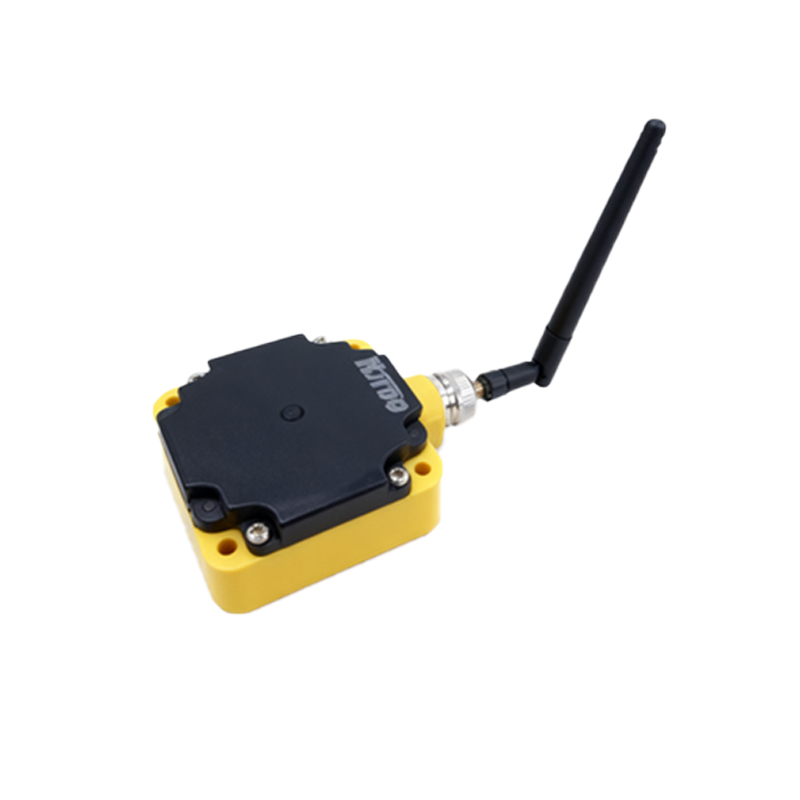
Conversely, a coil with fewer turns exhibits lower inductance and resistance. This allows for smaller sensor designs, faster response times, and reduced power draw. Such sensors are ideal for high-speed counting applications or compact devices where space is at a premium. The drawback is a weaker magnetic field and shorter effective sensing range. They may also be more susceptible to electromagnetic interference (EMI) due to a lower Q-factor and might struggle to reliably detect challenging materials.
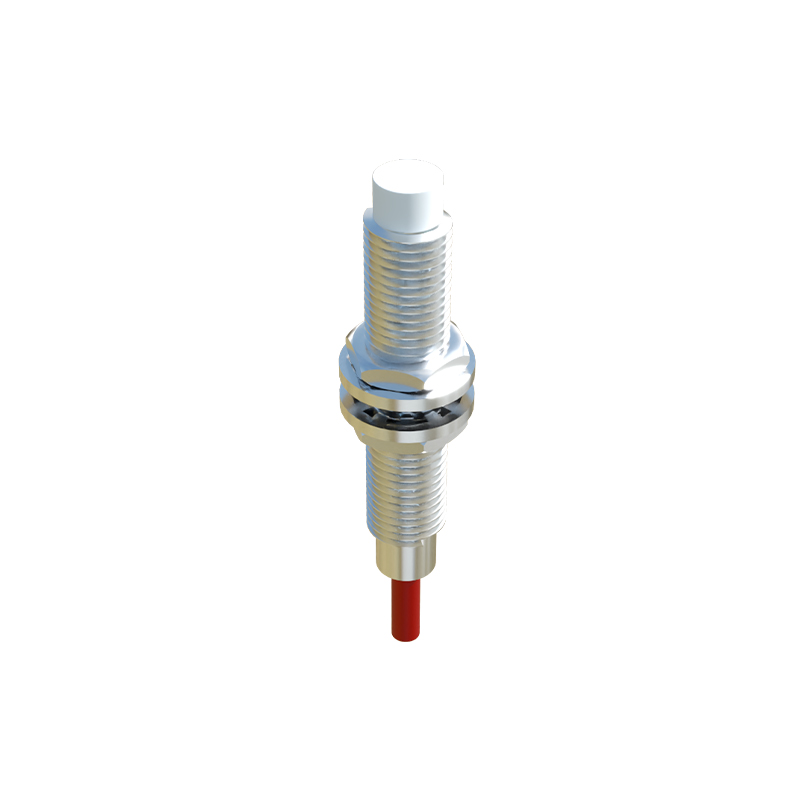
The optimization process, therefore, involves balancing these competing factors. Engineers must define priority parameters: Is maximum range paramount, or is minimal power consumption the key driver? For a standard industrial sensor detecting mild steel at a fixed distance, a moderate turn count provides a reliable balance. Advanced designs may use variable turn densities or multi-layer windings to shape the magnetic field more precisely.
Material selection for the coil wire and core further interacts with turn count. Using a ferrite core can amplify the magnetic field, allowing for fewer turns to achieve the same sensing performance, thereby miniaturizing the sensor. The wire gauge must be chosen to handle the required current without excessive heating, especially in high-turn-count designs.
In practice, the final turn count is often determined through iterative prototyping and testing. Designers simulate the magnetic field, adjust the turn number, and then validate performance against real-world targets and environmental conditions. Standards such as IEC 60947-5-2 also define testing procedures for nominal sensing distances, which the coil design must reliably meet.
Ultimately, there is no universal "best" number of turns for a proximity sensor coil. It is a tailored solution. Understanding the profound impact of this single parameter—coil turns—enables the development of sensors that are precisely matched to their operational demands, whether in factory automation, automotive systems, or consumer electronics.