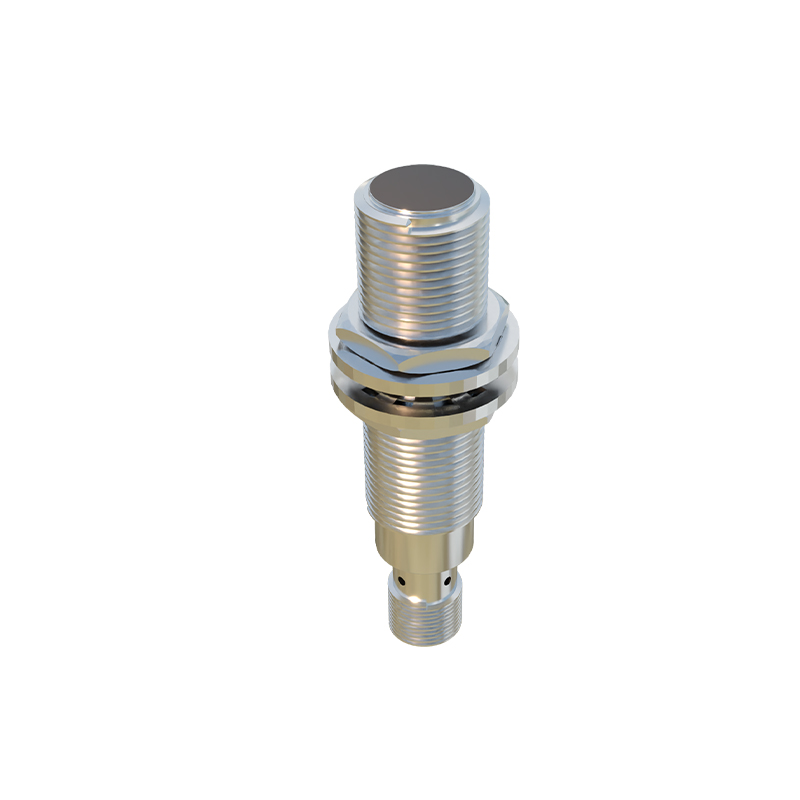
Proximity sensors are a cornerstone of modern automation, silently performing critical tasks across countless industries. Unlike traditional sensors that require physical contact, these devices detect the presence or absence of an object within a specified range without any touch. This non-contact operation is their defining feature, leading to minimal wear, high reliability, and fast response times. The selection of the right proximity sensor type is paramount for system efficiency, and this choice hinges on the target object's material, the required sensing distance, environmental conditions, and cost considerations. The primary families of proximity sensors are Inductive, Capacitive, Ultrasonic, Photoelectric, and Magnetic (Reed Switch/Hall Effect).
Inductive proximity sensors are the workhorses for metal detection. They operate on the principle of electromagnetic induction. The sensor generates an oscillating electromagnetic field from its active face. When a metallic object enters this field, eddy currents are induced on the object's surface, causing a change in the oscillation amplitude. The sensor's circuitry detects this change and triggers a solid-state output switch. These sensors are exceptionally robust, ideal for harsh industrial environments with dust, oil, or coolant. They are predominantly used for detecting ferrous metals like steel and iron, though specialized versions can detect non-ferrous metals like aluminum or copper at reduced ranges. Common applications include machine tooling for part positioning, conveyor line counting, and limit switching in robotic arms.
Capacitive proximity sensors, in contrast, can detect nearly any material: metals, plastics, wood, liquids, powders, and even granular substances. They function by generating an electrostatic field. Any object that enters this field alters the sensor's capacitance relative to the ground. Once this change reaches a predetermined threshold, the sensor activates. A key feature is their sensitivity adjustment, allowing tuning to ignore certain materials (like a container wall) and detect the target material inside (like a liquid level). This makes them perfect for level detection in tanks (water, oil, chemicals), presence detection of non-metallic products on packaging lines, and touch interfaces.
Ultrasonic sensors use sound waves beyond the human hearing range. They emit high-frequency ultrasonic pulses and measure the time it takes for the echo to return from a target object. This "time-of-flight" principle allows them to precisely measure distance, not just detect presence. They are effective for detecting objects of virtually any material, shape, or color, including transparent glass or liquid surfaces that challenge photoelectric sensors. Performance can be affected by temperature, air turbulence, and soft, sound-absorbing materials. They are widely used in parking assist systems, liquid level monitoring in large vessels, pallet detection in warehouses, and collision avoidance for automated guided vehicles (AGVs).
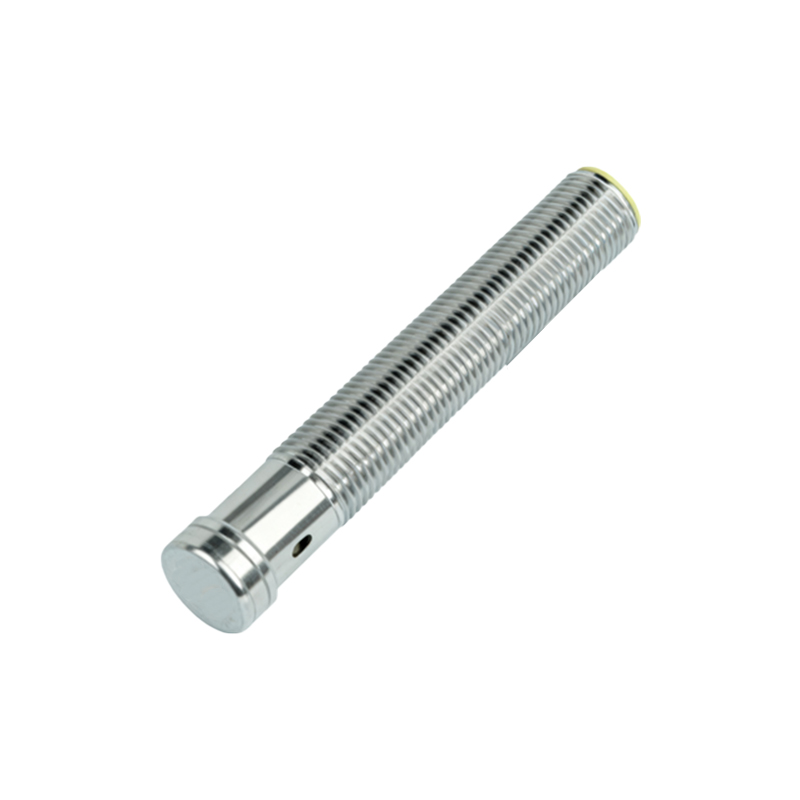
Photoelectric sensors employ light, typically infrared, visible red, or laser. They consist of an emitter and a receiver. The three main operating modes are through-beam, retro-reflective, and diffuse (proximity). Through-beam models have separate units; detection occurs when the target breaks the light beam, offering the longest range and highest reliability. Retro-reflective types use a single unit and a reflector, detecting an object that interrupts the beam to the reflector. Diffuse sensors, the most common proximity type, house both emitter and receiver together; they detect light reflected directly off the target object. They excel at detecting small objects and are used in packaging, assembly verification, and door safety curtains.
Magnetic proximity sensors, including Reed switches and Hall Effect sensors, detect magnetic fields, typically from a permanent magnet. Reed switches are simple, sealed glass tubes containing two ferromagnetic reeds that contact each other when a magnet is near, closing a circuit. They are low-cost and used in door/window security alarms. Hall Effect sensors are solid-state devices that output a voltage proportional to the strength of an applied magnetic field. They are used for speed sensing (e.g., detecting gear teeth), position sensing in linear actuators, and in brushless DC motors.
Choosing the correct sensor involves a systematic approach. First, identify the target material. For metals only, inductive is typically best. For all other materials, consider capacitive, ultrasonic, or photoelectric. Next, define the required sensing distance (range). Inductive and capacitive sensors have shorter ranges (a few millimeters to tens of millimeters), while ultrasonic and photoelectric sensors can work over several meters. Then, assess the environment: presence of dirt, dust, moisture, or electrical noise. Inductive and ultrasonic sensors handle challenging conditions well. Finally, consider output requirements (digital on/off or analog distance signal), response speed, and mounting constraints.
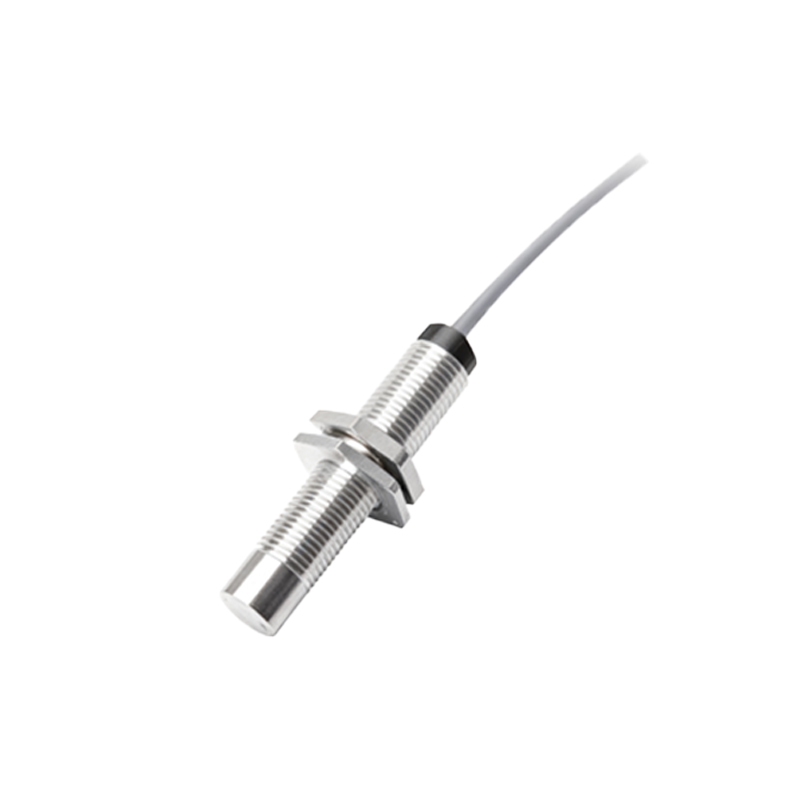
In summary, the invisible world of proximity sensing is rich with specialized technology. From the electromagnetic focus of inductive sensors on metal parts to the versatile material detection of capacitive units, and from the precise ranging of ultrasonic sound waves to the fast light-based detection of photoelectric models, each type serves a distinct engineering purpose.