In industrial automation and machinery design, proximity sensors play a critical role in enabling non-contact detection of objects. Among the various form factors available, the M8 proximity sensor has emerged as a particularly popular and versatile solution. Characterized by its compact 8mm cylindrical threaded barrel housing, this sensor type offers a compelling balance of size, performance, and durability for countless applications.
The fundamental principle behind an inductive M8 proximity sensor involves generating an electromagnetic field from its sensing face. When a metallic target enters this field, it causes a change in the oscillation amplitude, which the sensor's internal circuitry detects and converts into a switching signal. This non-contact operation is a key advantage, eliminating mechanical wear and allowing for high-speed, reliable detection. For detecting non-metallic objects, capacitive M8 sensors are employed, which react to changes in capacitance caused by the presence of any material.
Several key specifications define the performance of an M8 sensor. The sensing distance, typically ranging from 1mm to 2mm for standard inductive models, is crucial for proper installation and operation. It's vital to note that this rated distance is calibrated for a standard mild steel target. Factors like target material, size, and shape can affect the actual sensing range. The housing material, usually nickel-plated brass or stainless steel, provides robustness against physical impact and environmental factors. Most M8 sensors boast an IP67 or higher ingress protection rating, making them resistant to dust and temporary immersion in water, suitable for harsh industrial environments.
Electrical characteristics are another major consideration. M8 sensors are commonly available in both DC (10-30V DC) and AC variants, with 3-wire configurations being the most prevalent. The output type—PNP (sourcing) or NPN (sinking)—must be matched to the control system's input card. Furthermore, output functions can be normally open (NO) or normally closed (NC), providing flexibility in control logic design. Some advanced models feature short-circuit and reverse polarity protection, enhancing system reliability and preventing damage from wiring errors.
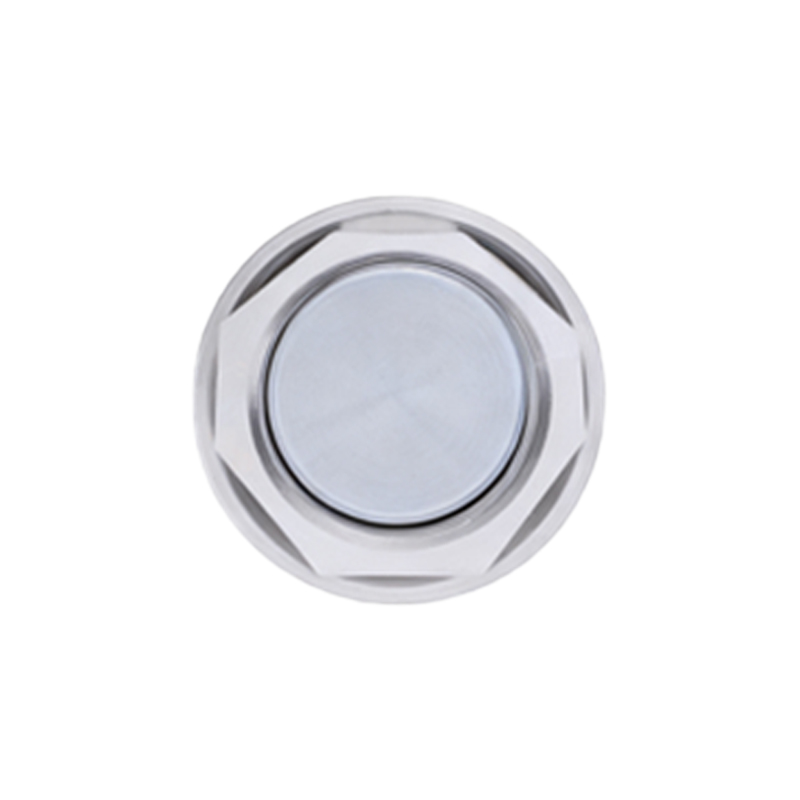
The application spectrum for M8 proximity sensors is remarkably broad. In automated assembly lines, they are indispensable for part presence verification, counting, and end-of-stroke detection for cylinders. Their small size makes them ideal for integration into tight spaces within robotic grippers or tool changers. In packaging machinery, they monitor material flow and control filling levels. Beyond factory floors, they find use in automotive systems, agricultural equipment, and even consumer electronics for position detection.
Selecting the right M8 sensor requires a systematic approach. First, identify the target material—ferrous metals, non-ferrous metals, or non-metallics—to choose between inductive and capacitive technologies. Next, determine the required sensing distance, ensuring a 10-20% safety margin from the maximum rated distance to account for installation tolerances and temperature drifts. The electrical interface must be compatible with the existing PLC or controller. Environmental conditions such as exposure to chemicals, extreme temperatures, or washdown procedures may necessitate specific housing materials like stainless steel or specialized seals.
Installation is straightforward but demands attention to detail. The sensor should be mounted securely using its integral thread, avoiding overtightening. A critical rule is to maintain adequate clearance around the sensing face; metallic objects in close proximity can cause false triggering or a reduced sensing range. For flush-mounted models, which can be installed level with a metal bracket, this effect is minimized. Non-flush models offer longer ranges but require a metal-free zone around the active face. Proper wiring according to the datasheet, including the use of shielded cables in electrically noisy environments, is essential for stable operation.
In summary, the M8 proximity sensor is a fundamental component in modern industrial control. Its standardized size, reliable performance, and environmental resilience make it a default choice for engineers designing detection systems. By carefully matching the sensor's technology and specifications to the application's specific demands—considering target, environment, distance, and electrical needs—designers can ensure robust, maintenance-free operation for years, contributing significantly to the efficiency and reliability of automated systems worldwide.