Understanding Photoelectric Sensor Fundamentals
Photoelectric sensors are ubiquitous in modern industrial automation, serving as the critical eyes of countless systems. At their core, these devices operate by emitting a beam of light—visible red, infrared, or laser—and detecting changes in the received light signal. The three primary operating principles are through-beam, retro-reflective, and diffuse reflective. Through-beam sensors offer the longest sensing ranges and highest reliability, using separate emitter and receiver units. Retro-reflective types bounce light off a reflector, while diffuse sensors detect light reflected directly from the target object itself. The choice of principle directly impacts performance in terms of range, environmental immunity, and target material compatibility. A high-quality sensor is engineered to excel within its designated operating mode, maintaining stable performance despite ambient light interference, dust, or minor misalignments that would cripple a lesser unit.
The True Cost of Sensor Ownership: Beyond the Price Tag
The initial purchase price of a photoelectric sensor is merely the entry point into its total cost of ownership. A premium, optimally priced sensor delivers substantial value over its lifecycle by minimizing hidden expenses. Key factors include installation time, maintenance frequency, production downtime due to false triggers or failures, and energy consumption. A robust sensor with superior ingress protection (IP67/IP69K ratings), resistant to washdowns, oils, and chemicals, drastically reduces maintenance intervals and replacement costs. Furthermore, advanced diagnostics, often indicated by multicolor LEDs or IO-Link communication, enable predictive maintenance, preventing unplanned stoppages. The investment in a sensor with a longer operational lifespan and higher mean time between failures (MTBF) translates directly into lower long-term costs and higher overall equipment effectiveness (OEE).
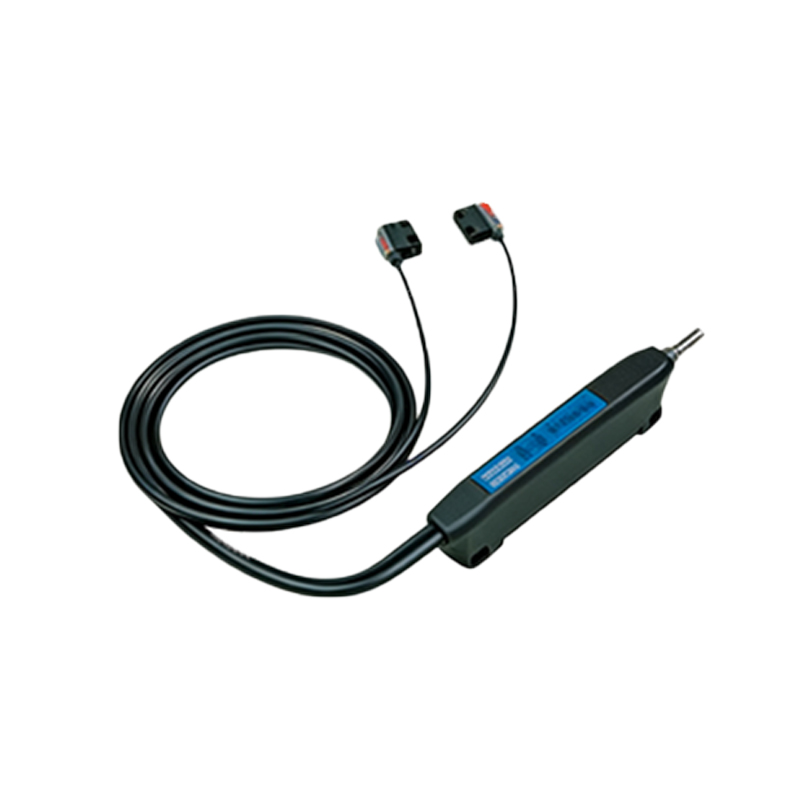
Engineering Excellence: Hallmarks of a Premium Sensor
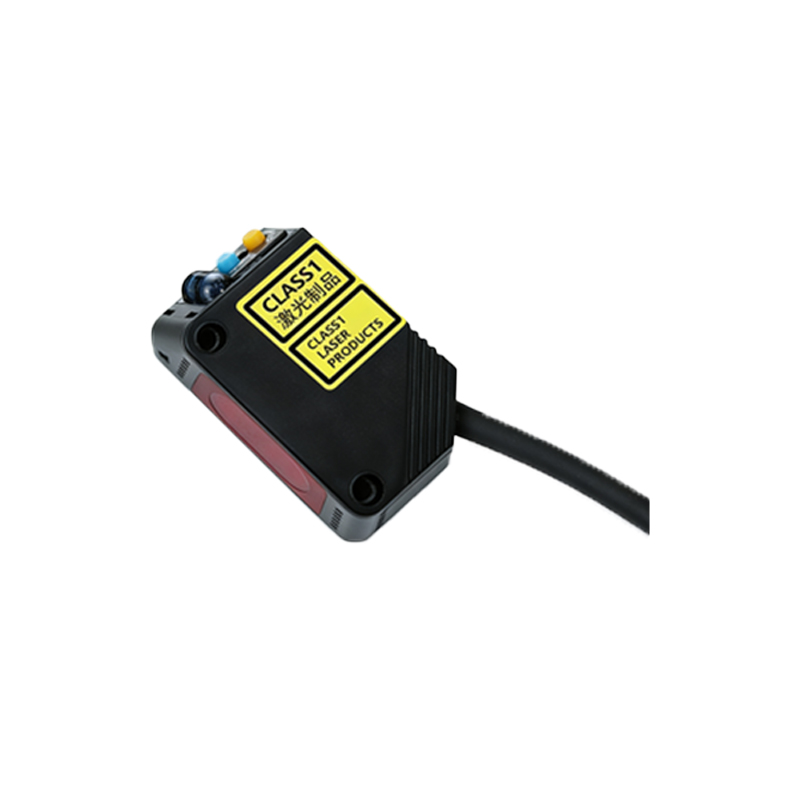
What distinguishes a high-quality photoelectric sensor from a commodity product is embedded in its engineering. Superior components begin with a precise, stable light source and a sensitive, filtered receiver. Advanced optics, using high-grade lenses, ensure a sharp, consistent beam profile. The housing material, typically stainless steel or high-performance plastics like PBT, provides mechanical strength and environmental resistance. Internally, sophisticated circuitry with temperature compensation ensures signal stability across a wide operating temperature range, from freezing cold to extreme heat. Features like background suppression technology for precise range-based detection, or polarized filters to ignore shiny surfaces, are hallmarks of advanced design. These engineering choices result in exceptional repeat accuracy, minimal hysteresis, and reliable detection of challenging targets like clear glass, black rubber, or small components.
Application-Specific Optimization for Maximum Value
The concept of "optimal value" is intrinsically linked to the application. A sensor perfect for a clean packaging line may fail in a foundry. Therefore, premium sensors often come in specialized variants. For example, sensors with a focused "pinpoint" beam are invaluable for detecting small parts or precise edges in assembly. Contrast sensors, a subtype, excel at distinguishing labels or verifying print marks based on color or grayscale difference. For harsh environments, ruggedized models with metal housings and robust connectors are essential. Fiber optic versions, where only the rugged cable tip is in the hazardous zone, provide solutions for high-temperature or extremely space-constrained applications. Selecting the right sensor technology for the specific challenge—considering target size, material, required sensing distance, and environmental conditions—is paramount to achieving both performance and cost-effectiveness.
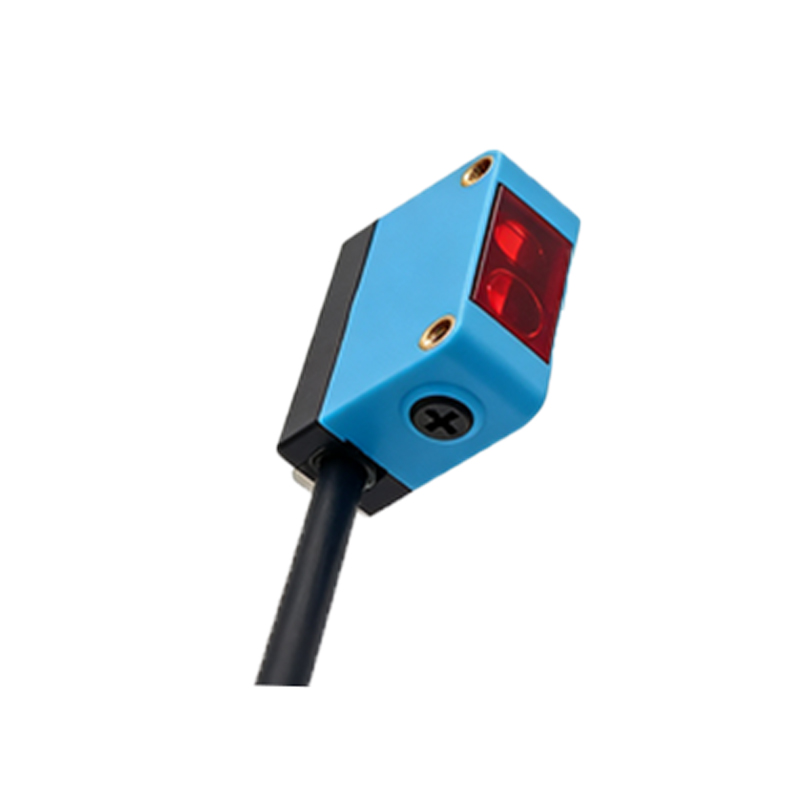
The Strategic Advantage of Smart Sensor Features
Modern high-value photoelectric sensors transcend basic on/off functionality. Integration of smart features like IO-Link transforms them into intelligent data points on the Industrial Internet of Things (IIoT) network. IO-Link allows for remote parameter setting, real-time monitoring of operating conditions (like lens contamination or temperature), and detailed diagnostic feedback. This enables centralized management, faster changeovers, and data-driven process optimization. Other intelligent features include teach-in functions for easy setup, adjustable response times for high-speed applications, and powerful logic functions (like window mode or timers) built directly into the sensor. These capabilities reduce programming burden on the central controller, increase system flexibility, and provide a deeper level of process insight, justifying a higher initial investment through enhanced system intelligence and agility.
Making the Informed Investment Decision
Selecting a photoelectric sensor should be a strategic decision based on a total value analysis. Specify the exact technical requirements: sensing distance, target properties, required output type (PNP/NPN, analog, IO-Link), and environmental specifications. Then, evaluate potential sensors not just on datasheet figures, but on proven reliability, brand reputation for support, and global availability. Consider the ease of installation and integration, including mounting accessories and cable options. A sensor from a reputable manufacturer with comprehensive technical documentation, configuration software, and local engineering support can prevent costly integration headaches. Ultimately, the optimal sensor is the one that delivers flawless, maintenance-free operation for its intended lifespan, ensuring continuous production flow and protecting your capital investment in machinery.