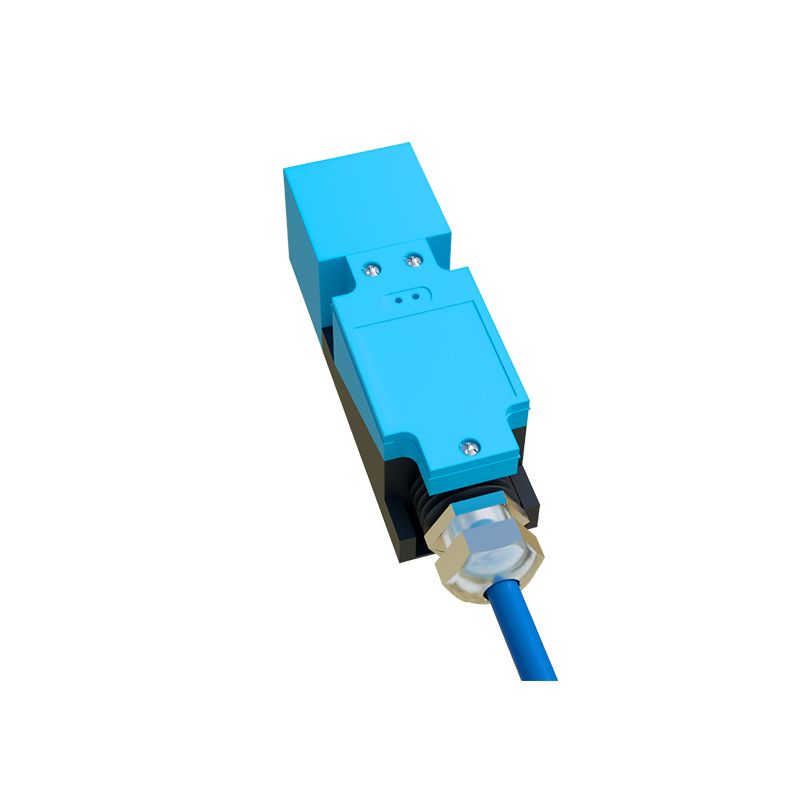
In the complex and high-stakes world of railway operations, safety is the paramount concern that governs every procedure, technology, and investment. Among the myriad of systems designed to protect assets, personnel, and passengers, the Train Approach Warning Sensor (TAWS) stands out as a critical frontline technology. This device is not merely an alarm; it is a sophisticated sentinel that continuously monitors track environments, providing essential early warnings to prevent accidents and ensure smooth operational flow.
Fundamentally, a Train Approach Warning Sensor is a detection system installed along railway tracks, particularly in areas where workers are present, such as maintenance zones, construction sites, or level crossings. Its primary function is to detect an oncoming train and activate audible and visual alarms to alert personnel in the vicinity. This gives workers ample time to clear the tracks and move to a designated safe area, thereby mitigating the risk of catastrophic collisions.
The operational principle of modern TAWS is rooted in reliable detection technologies. Many systems utilize seismic or acoustic sensors that pick up the distinct vibrations and sound signatures generated by a moving train. These sensors are highly sensitive and can discriminate between train-induced vibrations and other ambient noises, such as those from road vehicles or environmental factors. More advanced versions may incorporate infrared beams, radar, or even video analytics to create a multi-layered detection net. When a sensor detects an approaching train, it triggers a robust alarm system. This typically includes powerful flashing lights and loud, distinctive sirens installed at the worksite. Often, the system is integrated with radio networks to send alerts to portable devices carried by each worker, ensuring no one is missed, even if they are momentarily distracted or in a location with obstructed sightlines.

The implementation of Train Approach Warning Sensors delivers transformative benefits across several dimensions. The most significant impact is, unequivocally, on safety. By providing a reliable, technology-based warning, these systems drastically reduce human dependency on manual lookouts, which can be prone to error due to fatigue, distraction, or limited visibility in poor weather or around curves. They create a safer working environment, protecting the lives of engineers, maintenance crews, and construction teams. Furthermore, by preventing accidents, TAWS also safeguards expensive rolling stock and infrastructure from damage, leading to substantial cost savings by avoiding repair bills, service disruptions, and potential litigation.
Beyond direct safety, these sensors enhance operational efficiency. With a TAWS in place, work zones can be established and managed with greater confidence. Projects can proceed without the need for frequent, pre-scheduled work stoppages based on timetables, which may be unreliable due to delays. Instead, work can continue uninterrupted until the sensor provides a real-time warning. This leads to better utilization of manpower and resources, often resulting in faster project completion times. For railway network operators, this means minimized delays for passenger and freight services, contributing to overall network reliability and customer satisfaction.
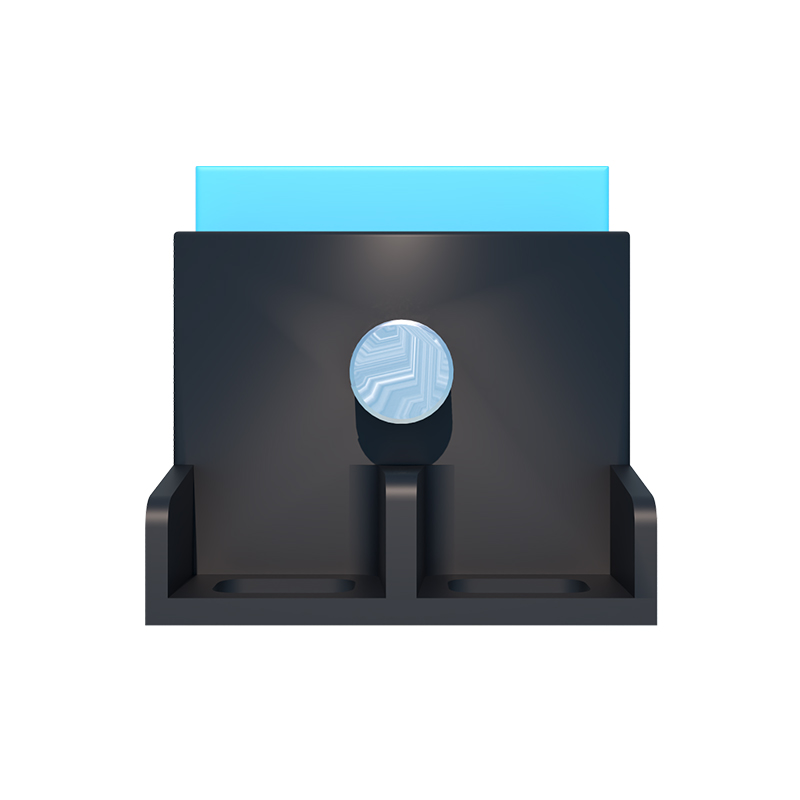
The deployment of TAWS is particularly crucial in modern rail networks characterized by higher speeds and increased traffic density. In such environments, the warning time provided by traditional methods is often insufficient. A sensor system can detect a train from a much greater distance, especially on straight tracks, granting a longer, more valuable window for response. Its importance is further magnified in areas with challenging geography, such as tunnels, deep cuttings, or sharp bends, where sightlines for workers are severely limited.
Looking ahead, the evolution of Train Approach Warning Sensors is intertwined with the broader trend of digitalization in rail. The next generation of sensors is becoming smarter and more connected. Integration with the Internet of Things (IoT) allows for remote monitoring of sensor health and status, enabling predictive maintenance and ensuring the system is always operational. Data collected by sensors can be fed into centralized traffic management systems, providing dispatchers with real-time awareness of track occupancy near work zones. Future developments may include advanced machine learning algorithms that can predict train trajectories and provide even more precise warning times, or integration with autonomous track maintenance machinery.
In conclusion, the Train Approach Warning Sensor is a foundational technology in the pursuit of a zero-incident railway industry. It represents a seamless fusion of safety and operational pragmatism. By delivering an unambiguous, early warning of train approach, it empowers frontline workers, protects valuable assets, and ensures the relentless efficiency of the railway network. As rail transport continues to grow as a sustainable backbone of global logistics and mobility, the role of such intelligent, reliable safety systems will only become more indispensable. Their continued adoption and technological refinement are not just an operational choice but a fundamental ethical commitment to preserving life and enabling progress on the rails.