Introduction to Magnetic Proximity Sensors
Magnetic proximity sensors, such as the KMC-RO series, are essential components in modern industrial automation. These devices detect the presence or absence of magnetic objects without physical contact, ensuring reliable operation in harsh environments. Unlike traditional mechanical switches, they offer non-contact sensing, which reduces wear and tear, leading to longer service life and minimal maintenance. The KMC-RO sensors utilize a reed switch or Hall-effect technology to respond to magnetic fields, making them ideal for applications where dirt, dust, or moisture might interfere with other sensor types. Their robust design allows for seamless integration into various machinery, from conveyor systems to robotic arms, enhancing efficiency and safety across industries.
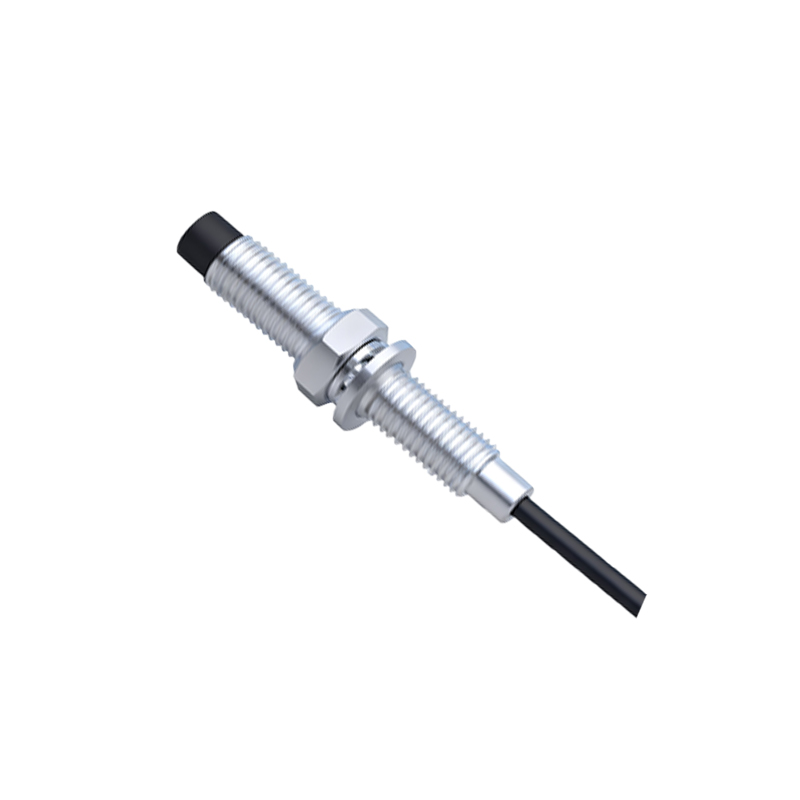
Key Features of KMC-RO Sensors
The KMC-RO magnetic proximity sensors boast several standout features that set them apart in the market. They are typically characterized by high switching frequencies, enabling rapid detection in fast-paced production lines. With a wide operating temperature range, often from -25°C to 70°C, they perform reliably in extreme conditions. Additionally, these sensors offer excellent resistance to vibration and shock, ensuring stable performance in heavy-duty applications. Many models in the KMC-RO series come with IP67 or higher ingress protection ratings, making them suitable for wet or dusty environments. Their compact size allows for easy installation in tight spaces, while LED indicators provide quick visual feedback on operational status, simplifying troubleshooting and maintenance processes.
Working Principle and Technology
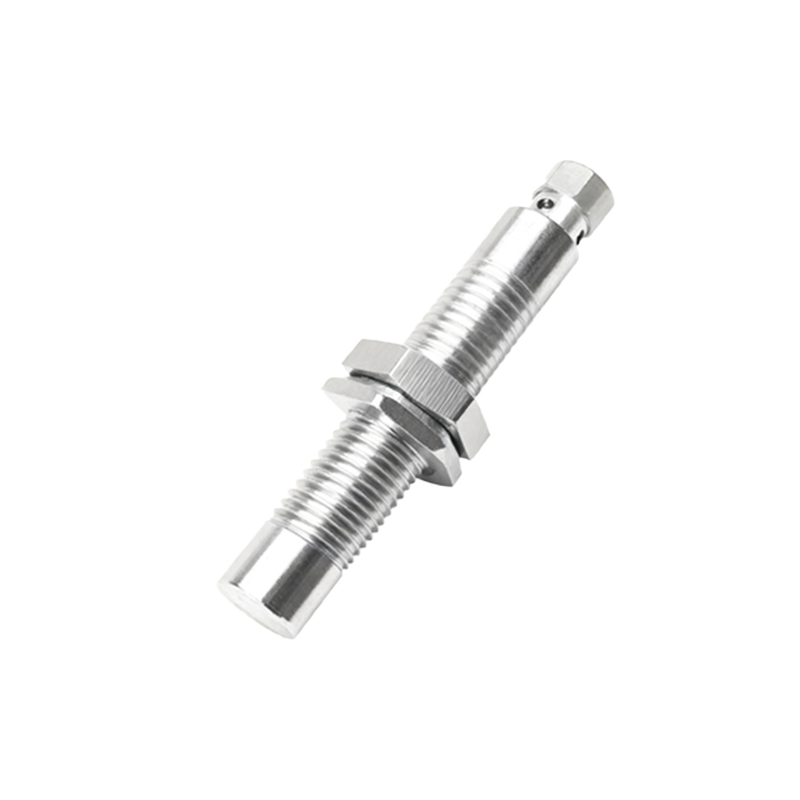
At the core of KMC-RO magnetic proximity sensors is the use of magnetic fields to trigger a response. When a magnet, such as a permanent magnet attached to a moving part, approaches the sensor within a specified sensing range, it activates the internal switch mechanism. This can involve a reed switch, which consists of two ferromagnetic blades sealed in a glass tube, closing the circuit when magnetized, or a Hall-effect sensor that generates a voltage change in response to magnetic flux. The KMC-RO series often employs advanced designs to minimize false triggers and ensure precise detection. By leveraging these technologies, the sensors provide accurate, repeatable signals for position sensing, limit switching, and speed monitoring, contributing to enhanced control systems in automation setups.
Common Applications in Industry
KMC-RO magnetic proximity sensors find widespread use across diverse industrial sectors due to their versatility and durability. In manufacturing, they are employed for detecting the position of cylinders in pneumatic or hydraulic systems, ensuring proper sequencing of operations. Within the automotive industry, these sensors monitor the opening and closing of doors or hatches, improving safety features. They also play a crucial role in material handling equipment, such as cranes and elevators, by providing feedback on movement and alignment. In renewable energy systems, like wind turbines, KMC-RO sensors help track rotational speeds and blade positions. Their ability to function in contaminated environments makes them a preferred choice for food processing, packaging, and agricultural machinery, where hygiene and reliability are paramount.
Advantages Over Other Sensor Types
Compared to inductive, capacitive, or optical sensors, KMC-RO magnetic proximity sensors offer distinct benefits. Their non-contact nature eliminates mechanical friction, reducing the risk of failure and extending operational lifespan. They are less susceptible to interference from non-metallic materials, allowing for detection through plastics or non-ferrous metals, which is advantageous in specialized applications. Magnetic sensors also demonstrate superior performance in the presence of oil, grease, or water, as the sensing mechanism is not affected by these substances. This makes KMC-RO models cost-effective solutions for demanding settings, where frequent replacements or downtime could lead to significant losses. Furthermore, their simple installation and low power consumption contribute to overall energy efficiency and reduced operational costs in industrial plants.
Installation and Maintenance Tips
Proper installation is key to maximizing the performance of KMC-RO magnetic proximity sensors. It is recommended to mount them securely, ensuring alignment with the target magnet to achieve the specified sensing distance. Avoid placing the sensor near strong external magnetic fields, such as those from motors or transformers, to prevent unintended activation. Regular maintenance involves checking for physical damage, cleaning the housing to maintain IP ratings, and verifying electrical connections. Since these sensors have no moving parts, they typically require minimal upkeep, but periodic testing with a magnet can confirm functionality. By following manufacturer guidelines, users can optimize reliability and avoid common issues like false signals or reduced sensitivity, thereby supporting continuous operation in automated systems.
Future Trends and Innovations
The evolution of KMC-RO magnetic proximity sensors is driven by advancements in Industry 4.0 and smart manufacturing. Future models are expected to incorporate IoT