Introduction to Photoelectric Sensing Technology
Photoelectric sensors are fundamental components in modern industrial automation, serving as the eyes of countless systems. Operating on the principle of converting light signals into electrical signals, these devices detect the presence, absence, or distance of objects without physical contact. In the industrial landscape of Nankai District, a hub for advanced manufacturing and technology development in Tianjin, the application of these sensors is both widespread and critical. The core technology involves an emitter, which projects a light beam—often visible red, infrared, or laser—and a receiver that detects changes in the received light intensity. This simple yet robust principle enables high-speed, precise, and reliable detection across diverse and challenging environments, from clean electronics assembly lines to rugged automotive production floors.
Key Operational Modes and Selection Criteria
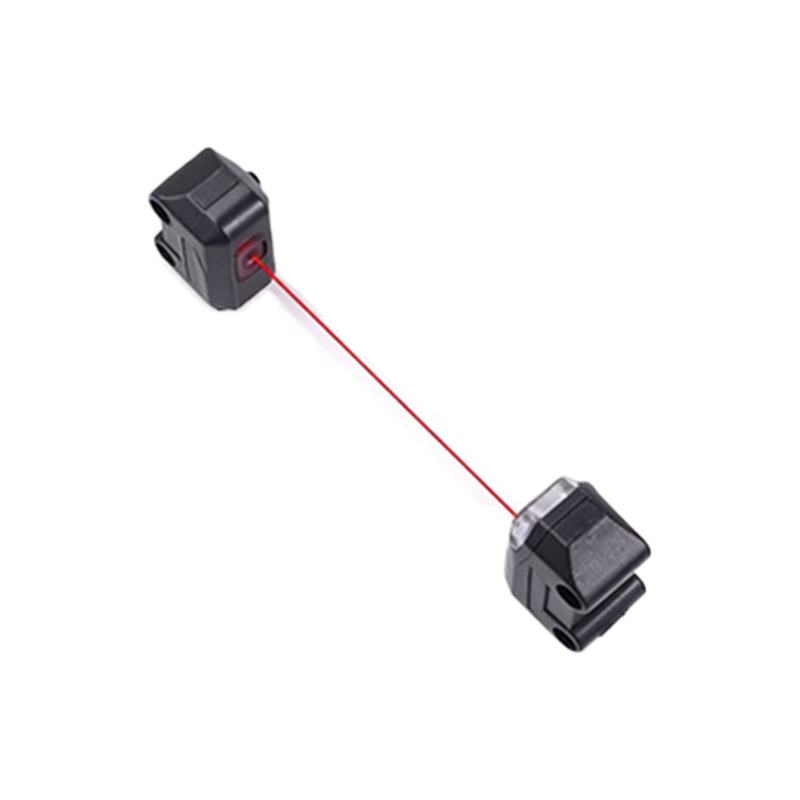
Selecting the appropriate photoelectric sensor mode is paramount for optimal performance. The three primary modes are through-beam, retro-reflective, and diffuse reflective. Through-beam sensors, with separate emitter and receiver units, offer the longest sensing ranges and highest reliability, ideal for precise detection on high-speed packaging lines. Retro-reflective models use a single unit and a reflector, providing a good balance of range and ease of installation, commonly used in material handling systems. Diffuse reflective sensors detect objects by bouncing light directly off the target, making them perfect for applications where space is constrained or where installing a reflector is impractical. In Nankai's facilities, engineers must consider factors such as sensing distance, target material, color, surface finish, ambient light conditions, and required response speed to specify the correct sensor, ensuring seamless integration into complex automation networks.
Advanced Features for Demanding Environments
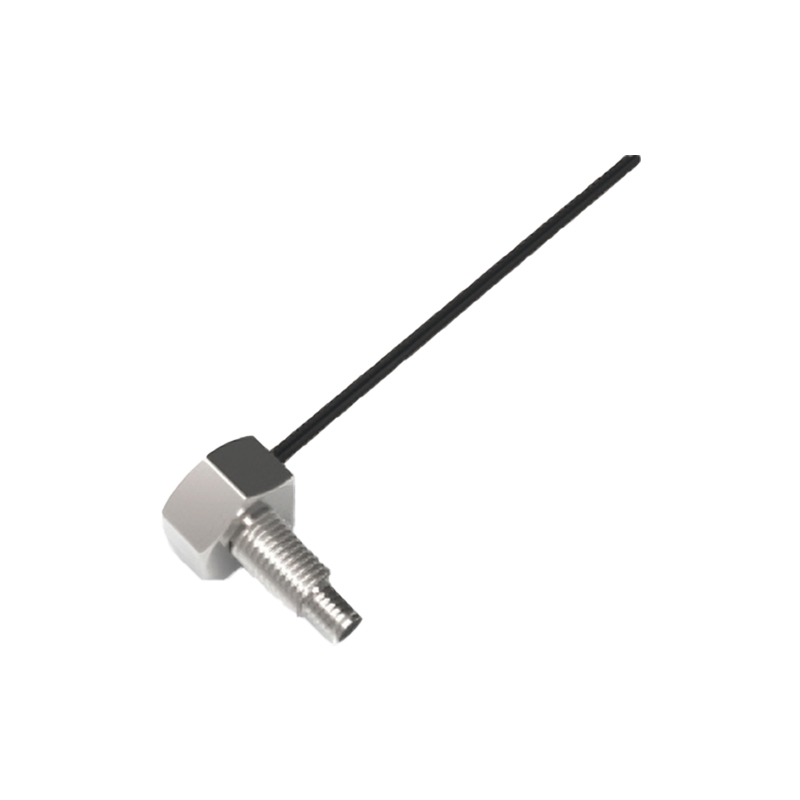
To meet the rigorous demands of Nankai District's advanced industries, modern photoelectric sensors incorporate sophisticated features. Background suppression technology allows a sensor to ignore objects beyond a set distance, crucial for detecting items on a conveyor belt while ignoring the belt itself or machinery behind it. Polarized filters enable reliable detection of shiny, reflective objects like metallic packaging, which would otherwise cause false signals. Fiber optic versions, utilizing flexible light guides, are indispensable in extreme environments with high temperatures, intense vibration, or limited space, such as inside machinery or in sterile pharmaceutical settings. Furthermore, the integration of IO-Link communication provides digital intelligence, enabling remote configuration, real-time diagnostics, and condition monitoring, which aligns with the district's push towards smart manufacturing and Industry 4.0 initiatives.
Application Spectrum in Nankai's Industrial Sectors
The utility of photoelectric sensors spans virtually every industrial sector within Nankai District. In electronics manufacturing, miniature sensors perform critical tasks like verifying component placement on PCBs or counting micro-parts. The automotive supply chain relies on them for precise positioning of parts in robotic welding and assembly stations. In packaging and logistics, sensors control filling levels, check for label presence, and ensure correct box sealing. Furthermore, in safety systems, safety-rated light curtains and grids create invisible protective barriers around hazardous machinery. The non-contact nature of these sensors prevents product damage and reduces mechanical wear, leading to lower maintenance costs and higher overall equipment effectiveness (OEE) for local factories and production plants.
Installation, Alignment, and Maintenance Best Practices
Proper installation is critical for sensor reliability. Ensuring stable mounting to minimize vibration, aligning the emitter and receiver accurately (for through-beam types), and selecting the correct angle to the target are essential first steps. Many contemporary sensors feature visible red beams or alignment indicators to simplify this process. Environmental protection is another key consideration; sensors in Nankai's facilities often require specific Ingress Protection (IP) ratings to withstand dust, moisture, or washdown procedures common in food and beverage processing. Regular maintenance involves cleaning lenses to prevent buildup of dirt or grime that can attenuate the light signal, checking mounting stability, and verifying performance through diagnostic LEDs or connected control systems. Proactive maintenance schedules prevent unplanned downtime, a critical factor in high-volume production environments.
Future Trends and Integration with Smart Systems
The future of photoelectric sensing in Nankai District is tightly coupled with the evolution of industrial IoT and digitalization. Next-generation sensors are becoming more intelligent, with embedded processors capable of advanced functions like measuring object height, contrast, or even color recognition. The trend towards miniaturization continues, allowing sensors to be installed in increasingly compact machinery. Seamless integration with PLCs, robotic controllers, and higher-level Manufacturing Execution Systems (MES) via industrial Ethernet protocols (e.g., EtherNet/IP, PROFINET) is now standard. This connectivity enables data collection for predictive analytics, allowing plants to move from reactive maintenance to predicting sensor or process failures before they occur, thereby enhancing productivity and supporting the district's reputation as a center for innovative and efficient manufacturing.