Introduction to 2-Wire Proximity Sensors
Two-wire proximity sensors are widely used in industrial automation for their simplicity and cost-effectiveness. Unlike three-wire or four-wire sensors, they require only two connection points: one for power supply and one for load connection. This design eliminates the need for a separate ground wire, making installation straightforward and reducing wiring complexity. These sensors are commonly employed in applications where space is limited or where minimizing wiring is crucial, such as in conveyor systems, machine tools, and packaging equipment. Their operation relies on detecting the presence or absence of a target object without physical contact, using inductive, capacitive, or magnetic principles. Understanding their wiring and output configuration is essential for proper integration into control systems.
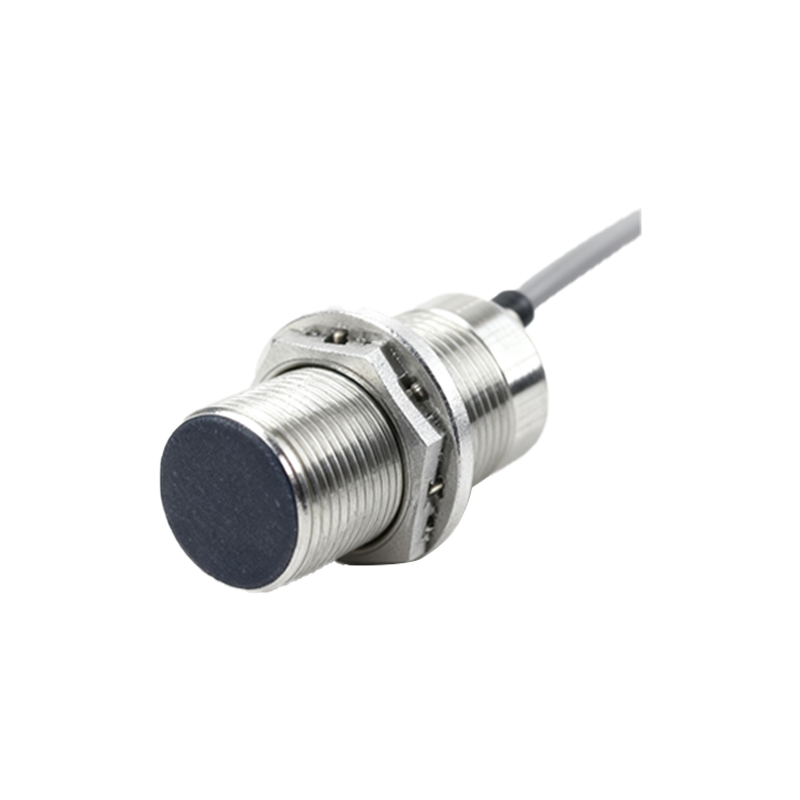
Understanding NPN and PNP Output Types
In proximity sensors, NPN and PNP refer to the type of transistor output used to switch the load. An NPN sensor switches the negative side (sink) of the circuit, meaning it connects the load to ground when activated. Conversely, a PNP sensor switches the positive side (source), connecting the load to the power supply when triggered. This distinction is critical for compatibility with programmable logic controllers (PLCs) and other control devices. For two-wire sensors, the output type is inherently tied to the wiring scheme, as they combine power and signal in a single loop. Typically, two-wire sensors are available in both NPN and PNP versions, but their labeling might not explicitly state this, requiring careful examination of datasheets or specifications.
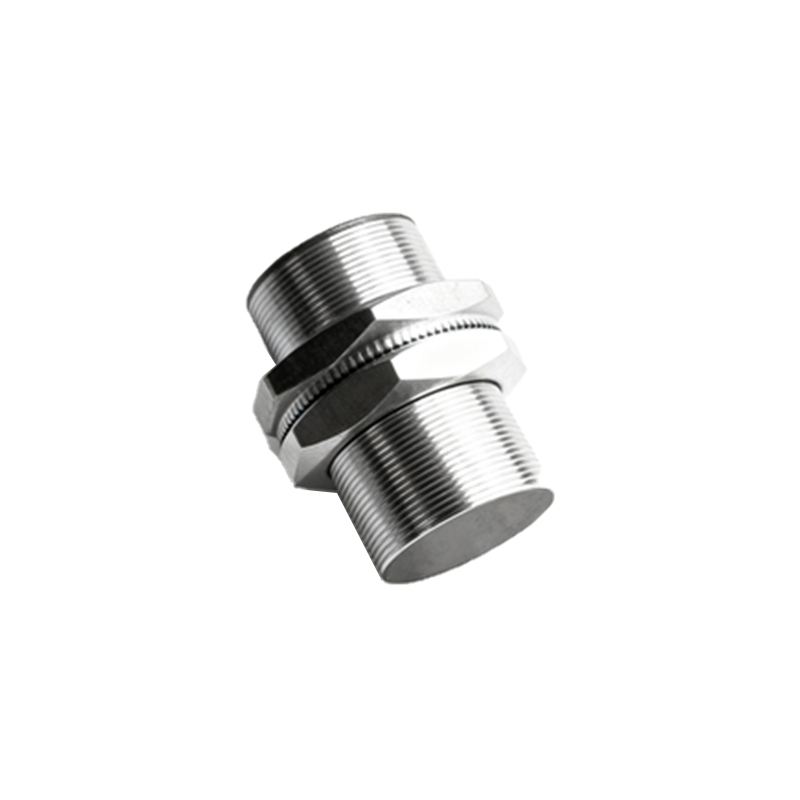
Are 2-Wire Proximity Sensors NPN or PNP?
Two-wire proximity sensors can be either NPN or PNP, depending on their internal design and intended application. However, they are often described in terms of "sinking" or "sourcing" behavior rather than explicitly as NPN or PNP. In practice, a two-wire sensor with a sinking output functions similarly to an NPN device, as it allows current to flow from the load to ground. One with a sourcing output behaves like a PNP device, supplying current from the power source to the load. It is crucial to check the manufacturer's documentation to determine the specific type, as misconnection can lead to malfunction or damage. Many modern two-wire sensors are designed to be universal or compatible with both NPN and PNP systems by incorporating polarity protection or adaptive circuits.
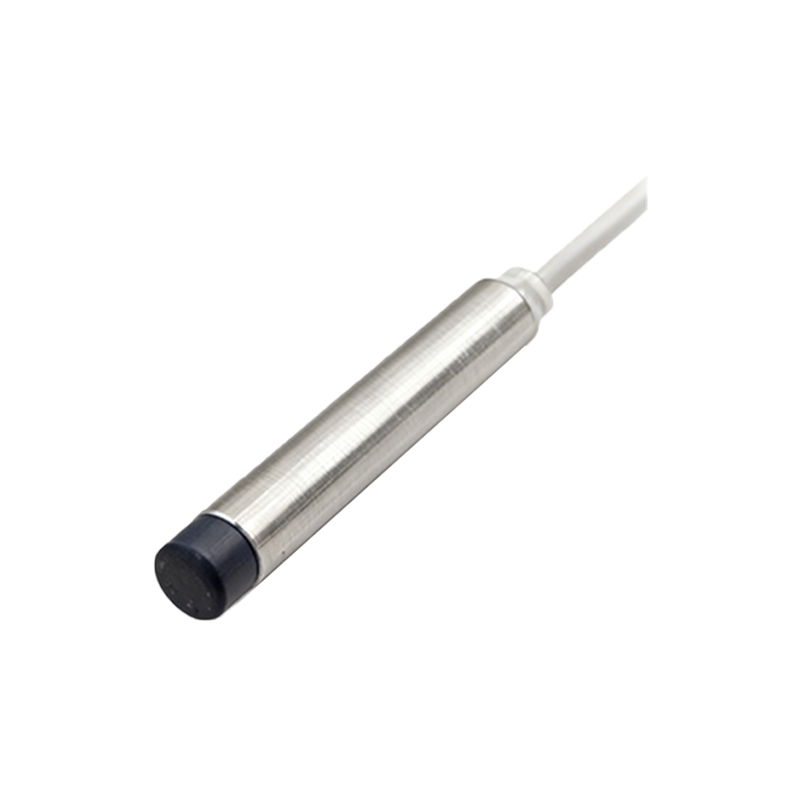
Wiring and Installation Considerations
When installing a two-wire proximity sensor, proper wiring is vital for reliable operation. The sensor is connected in series with the load and power supply, forming a complete circuit. For an NPN-style two-wire sensor, the load is typically placed between the positive supply and the sensor, with the sensor connected to ground. For a PNP-style, the load is between the sensor and ground, with the sensor linked to the positive supply. Voltage and current ratings must be adhered to, as exceeding these can cause failure. Additionally, factors like cable length, environmental conditions (e.g., temperature, humidity), and electrical noise should be considered to ensure signal integrity and longevity. Always follow industry standards and guidelines for safe installation.
Advantages and Limitations of 2-Wire Sensors
Two-wire proximity sensors offer several benefits, including reduced wiring costs, easier maintenance, and compact size. They are ideal for simple on/off control tasks and can be directly interfaced with relays or PLC inputs without additional components. However, they have limitations compared to three-wire sensors. For instance, they may have higher voltage drops or residual currents when off, which can affect sensitive loads. Their switching speed might be slower, and they are generally less suitable for high-precision or high-frequency applications. Understanding these trade-offs helps in selecting the right sensor for specific industrial needs, balancing efficiency with performance requirements.
Applications in Industrial Automation
Two-wire proximity sensors find extensive use across various industries due to their robustness and ease of use. In manufacturing, they detect parts on assembly lines, monitor positions of machinery components, and ensure safety by sensing object presence in hazardous areas. In automotive plants, they control robotic arms and verify part placements. Logistics and packaging systems rely on them for counting items and managing conveyor belt operations. Their versatility makes them a staple in environments where reliability and simplicity are prioritized. By choosing the correct output type (NPN or PNP), engineers can seamlessly integrate these sensors into diverse control architectures, enhancing automation efficiency.
Conclusion and Best Practices
In summary, two-wire proximity sensors can be configured as NPN or PNP, though their classification often