Introduction to Photoelectric Sensors in Industrial Shearing
Photoelectric sensors are pivotal components in modern shearing machines, ensuring operational safety, precision, and efficiency. These sensors operate by emitting a light beam—typically infrared, visible red, or laser—toward a receiver. When an object, such as a metal sheet, interrupts this beam, the sensor triggers a signal to control the machine's functions. In shearing applications, this mechanism is primarily used for material positioning, edge detection, and safety guarding. The reliability of photoelectric sensors directly impacts the shearing process's accuracy and the prevention of workplace accidents, making them indispensable in automated metal fabrication lines.
Core Working Principles and Light Sources
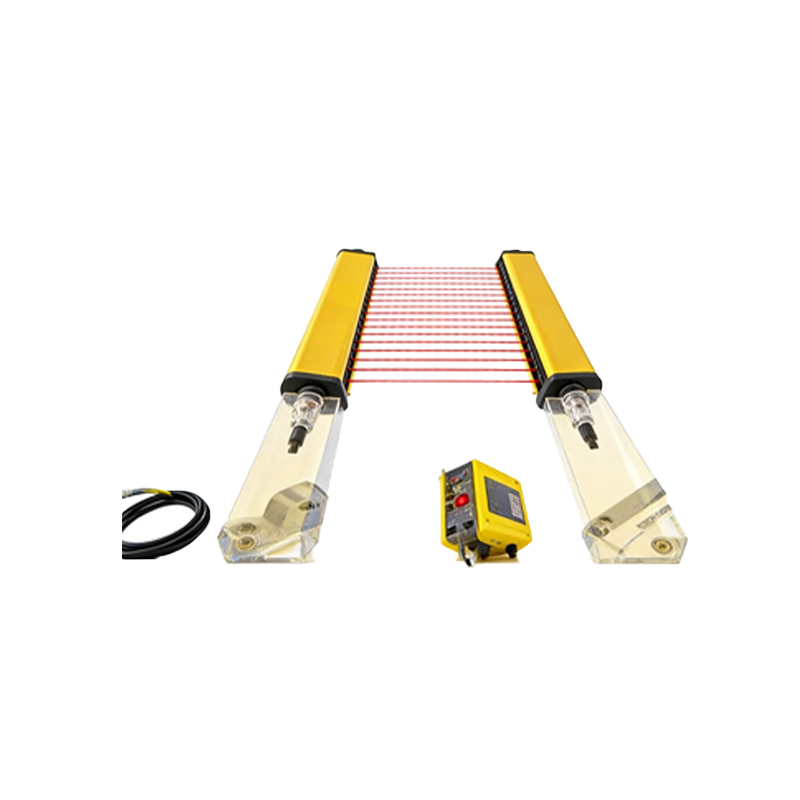
The fundamental principle involves a transmitter and a receiver. The transmitter contains a light-emitting diode (LED) that generates a modulated light beam to minimize interference from ambient light. The receiver, equipped with a phototransistor or photodiode, detects the beam's presence or absence. In shearing machines, three common configurations are utilized: through-beam, retro-reflective, and diffuse reflective sensors. Through-beam sensors offer the longest detection range and highest reliability, as the transmitter and receiver are separate units, ensuring a strong signal. Retro-reflective types use a reflector to bounce light back to the receiver, suitable for medium-range applications. Diffuse reflective sensors detect objects by measuring the light reflected directly from the surface, ideal for close-range positioning of metal sheets. Advanced models incorporate background suppression technology to ignore distant objects, enhancing precision in cluttered industrial environments.
Integration with Shearing Machine Control Systems
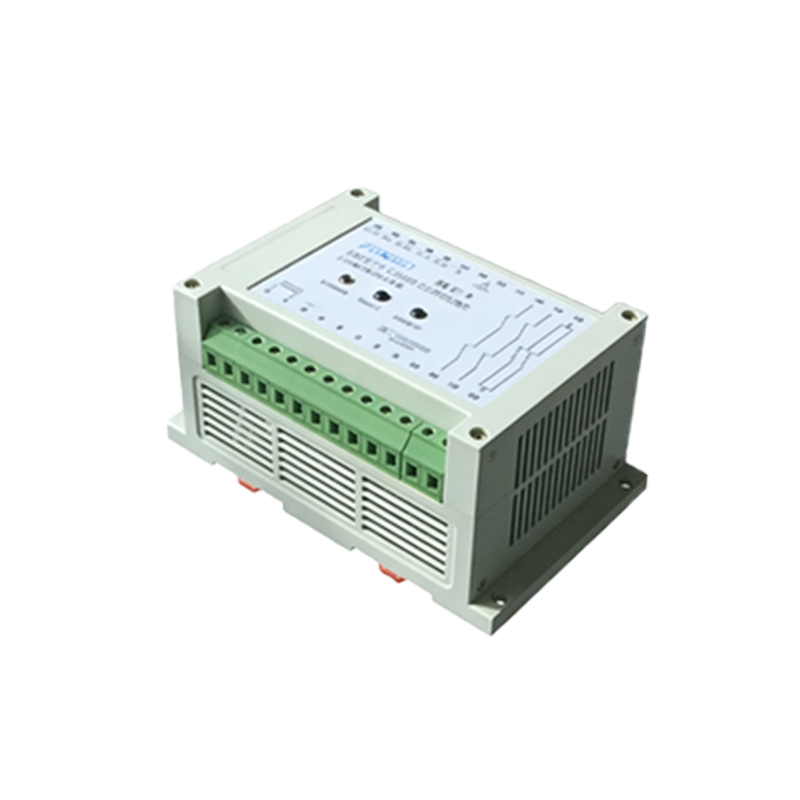
Photoelectric sensors interface seamlessly with programmable logic controllers (PLCs) and motor drives in shearing systems. Upon detecting a sheet's edge or position, the sensor sends a digital or analog signal to the PLC, which then commands the hydraulic or mechanical drive to initiate the cutting cycle. For instance, in automatic feed lines, sensors ensure each sheet is accurately aligned before shearing, reducing material waste. Safety light curtains, a specialized array of photoelectric sensors, create an invisible barrier around the shear blade. If an operator's hand breaches this barrier, the sensor immediately halts the machine, complying with international safety standards like ISO 13849. This integration not only boosts productivity but also mitigates risks associated with high-force cutting operations.
Key Performance Parameters and Selection Criteria
Selecting the appropriate photoelectric sensor for a shearing machine requires evaluating several technical parameters. Sensing range, response time, and environmental durability are critical. For high-speed shearing, sensors with response times under 1 millisecond are essential to keep pace with rapid feed rates. The sensing range must match the machine's dimensions; through-beam sensors can span several meters, while diffuse types are limited to shorter distances. Additionally, industrial environments expose sensors to dust, oil, and vibrations. Models with IP67 or higher ingress protection ratings are recommended to withstand harsh conditions. Light source choice also matters: infrared sensors are less affected by ambient light, whereas laser sensors provide pinpoint accuracy for precise edge detection. Consulting manufacturer datasheets ensures compatibility with specific shearing applications.
Common Challenges and Maintenance Practices
Despite their robustness, photoelectric sensors can face issues like misalignment, lens contamination, or electrical interference. In shearing machines, metal debris and coolant mist often accumulate on sensor lenses, attenuating the light beam and causing false triggers. Regular cleaning with lint-free cloths and compressed air is necessary. Alignment checks should be performed periodically, especially for through-beam sensors, as machine vibrations can shift components over time. Electrical noise from motors or welding equipment nearby may disrupt sensor signals; using shielded cables and proper grounding minimizes this risk. Diagnostic tools, such as indicator LEDs on sensors, help troubleshoot problems quickly. Preventive maintenance schedules, including calibration and component inspections, extend sensor lifespan and ensure consistent shearing quality.
Future Trends and Technological Advancements
The evolution of photoelectric sensors is driving smarter shearing machines. Innovations like IO-Link communication enable sensors to transmit real-time data on performance and wear, facilitating predictive maintenance. Multi-function sensors that combine photoelectric sensing with distance measurement or color detection are emerging, allowing for more complex automation tasks. Furthermore, the integration of artificial intelligence (AI) with sensor networks can optimize shearing parameters based on material variations, reducing setup times. As Industry 4.0 progresses, these advancements will enhance connectivity, efficiency, and safety in metal fabrication, making photoelectric sensors even more integral to next-generation shearing systems.