Introduction to Photoelectric Sensing
Photoelectric sensors are ubiquitous in industrial automation, providing non-contact detection of objects based on the modulation of a light beam. Their operation hinges on the interaction between emitted light and a target, with the received signal being processed to determine presence, absence, or specific characteristics. The reliability and precision of these sensors are directly determined by the quality and configuration of their core components. Understanding these elements is crucial for engineers tasked with selecting, integrating, and maintaining sensor systems in diverse applications, from packaging and material handling to automotive assembly and safety systems.
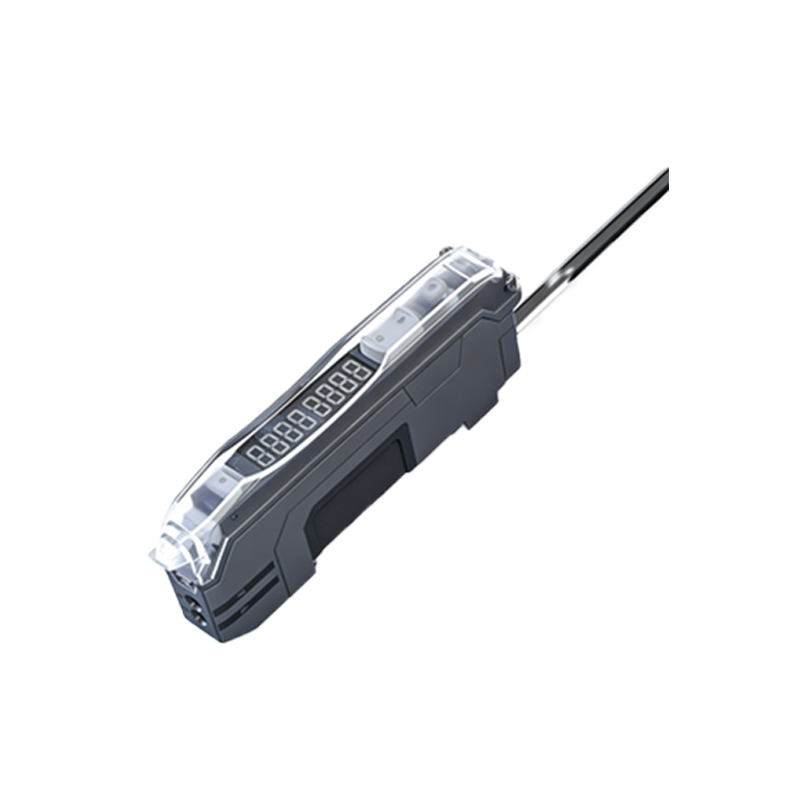
The Light Emitter: LED and Laser Diodes
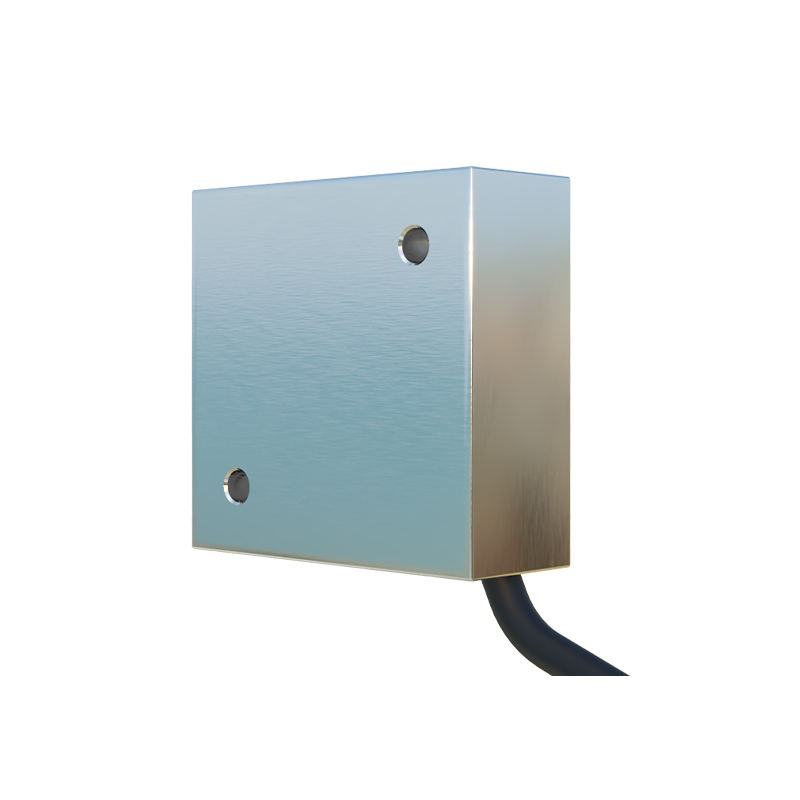
At the heart of the transmitter side is the light source. For decades, light-emitting diodes (LEDs) have been the dominant choice. Modern sensors primarily use infrared, red, or visible green LEDs. Infrared LEDs offer high output power and are immune to ambient light interference, making them ideal for long-range and dusty environments. Red LEDs provide a visible beam for easier alignment during setup. Recently, green LEDs have gained popularity for detecting transparent objects, as certain plastics have higher absorption in the green spectrum. For applications requiring extreme precision, such as minute displacement measurement or very small object detection, laser diodes are employed. They produce a highly focused, coherent beam enabling spot sizes as small as a few micrometers, though they come with higher cost and more stringent safety classifications (Class 1 or 2).
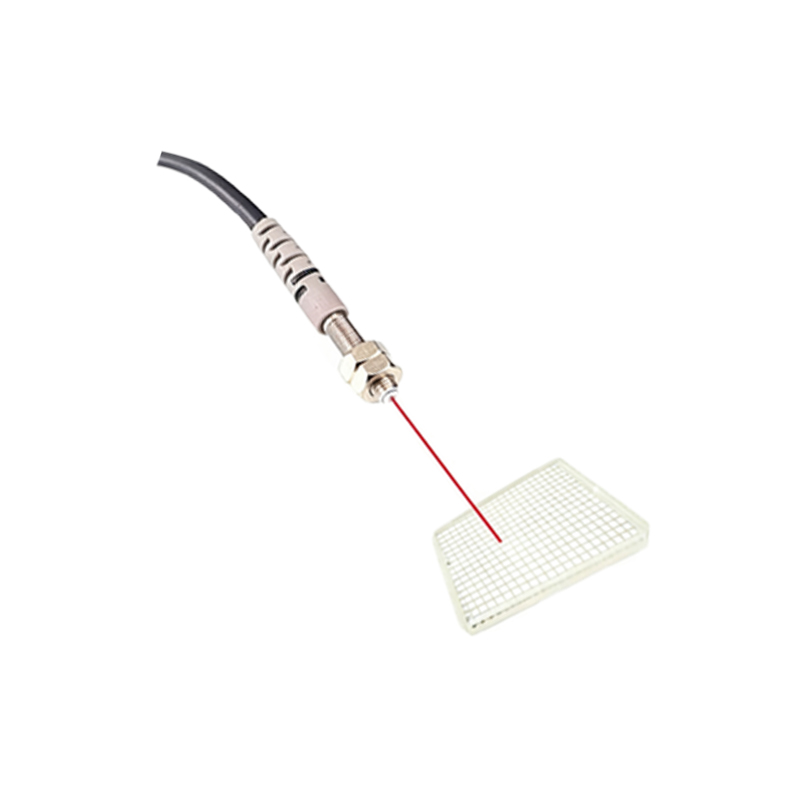
Lens and Optical System
The optical system shapes and directs the light beam. A lens, typically made of acrylic or glass, is placed in front of the emitter to collimate (make parallel) or focus the divergent light from the diode. This controls the beam's shape—whether a tight spot, a line, or a diffuse pattern. In retro-reflective and thrubeam sensors, the receiver side also incorporates a lens to collect the maximum amount of returning or incoming light and focus it onto the photodetector. The design of this optical path is critical for determining the sensor's sensing range, spot size, and immunity to misalignment. Some advanced sensors use fiber optic cables as light guides, separating the electronics from the sensing head, allowing operation in high-temperature or space-constrained locations.
The Photodetector: Phototransistors and Photodiodes
The receiver's core is the photodetector, which converts incoming light photons into an electrical current. The most common types are phototransistors and photodiodes. Phototransistors provide high current gain, meaning they produce a stronger output signal from a weak light input, making them suitable for general-purpose sensing where signal amplification is needed within the component itself. Photodiodes, particularly PIN photodiodes, offer a faster response time and better linearity between light intensity and output current. They are essential in high-speed counting or scanning applications. The spectral response of the detector must be matched to the emitter's wavelength; an infrared LED is always paired with an infrared-sensitive photodetector.
Signal Processing Circuitry
The raw signal from the photodetector is weak and susceptible to noise from ambient light (e.g., sunlight, factory lighting) and electrical interference. This is where sophisticated signal processing electronics come into play. The circuitry typically includes an amplifier to boost the signal. A crucial feature is modulation and synchronous detection. The emitter LED is driven by a high-frequency modulated pulse train (e.g., several kHz). The receiver's circuit is tuned to recognize only light pulsing at that specific frequency. This technique effectively filters out constant ambient light and random noise, granting the sensor exceptional stability and long sensing ranges even in challenging luminous environments. Finally, a comparator circuit triggers a clean, digital output (PNP/NPN) when the processed signal crosses a user-set threshold.
Housing and Environmental Protection
The mechanical housing is a critical component often overlooked. It protects the delicate optics and electronics from physical impact, vibration, and environmental contaminants. Standard enclosures are made from molded plastics like PBT or metals like stainless steel for harsh environments. The ingress protection (IP) rating, such as IP67 or IP69K, defines the level of protection against dust and water. For wash-down areas in food and beverage industries, sensors with IP69K ratings and FDA-compliant materials are mandatory. The housing also defines the form factor—barrel-style, rectangular, or slot sensors—which influences mounting options and integration into machinery.
Output Stage and Connectivity
The final operational component is the output stage. After processing, the sensor must communicate its detection state to a controller like a PLC. Discrete sensors provide solid-state transistor outputs (NPN sinking or PNP sourcing) or relay contacts to switch load circuits. Analog output versions (0-10V, 4-20mA) provide a signal proportional to the received light intensity or distance, used for tasks like edge guidance or transparency checking. Modern sensors feature IO-Link digital communication, a point-to-point serial protocol that allows for detailed parameter setting, real-time process data monitoring, and advanced diagnostics, enabling Industry 4.0 predictive maintenance strategies.
Conclusion: System Integration
The performance of a photoelectric sensor is not merely the sum of its parts but the result of their precise integration and synergy. Engineers must consider the interplay between emitter wavelength, optical design, detector sensitivity, and processing algorithms when selecting a sensor for a specific task. Factors like target material, color, size, required response time, and the operating environment all dictate the optimal combination of these core components. A deep understanding of these fundamental elements empowers engineers to move beyond basic catalog selection and design robust, efficient, and reliable sensing solutions for complex automation challenges.