Magnetic proximity sensors have become integral components across various industries due to their unique operational principles and robust performance. Unlike traditional mechanical switches or optical sensors, these devices detect the presence or absence of a magnetic field, typically generated by a permanent magnet. This fundamental mechanism offers several distinct advantages that make them suitable for demanding environments and applications.
One of the primary benefits is their exceptional reliability and longevity. Since magnetic proximity sensors operate without physical contact between the sensor and the target magnet, there is no mechanical wear or tear. This non-contact sensing eliminates issues like friction, arcing, or material degradation common in electromechanical switches. Consequently, they boast an extended operational lifespan, often lasting millions of cycles without failure, which reduces maintenance costs and downtime in industrial settings.
Another significant advantage is their immunity to environmental contaminants. Magnetic sensors are typically housed in sealed enclosures, making them highly resistant to dust, dirt, moisture, oil, and other harsh substances. This characteristic allows them to perform consistently in challenging conditions such as manufacturing floors, automotive assemblies, or outdoor installations where optical or capacitive sensors might falter due to fouling or condensation. Their sealed design also contributes to high ingress protection (IP) ratings, ensuring durability.
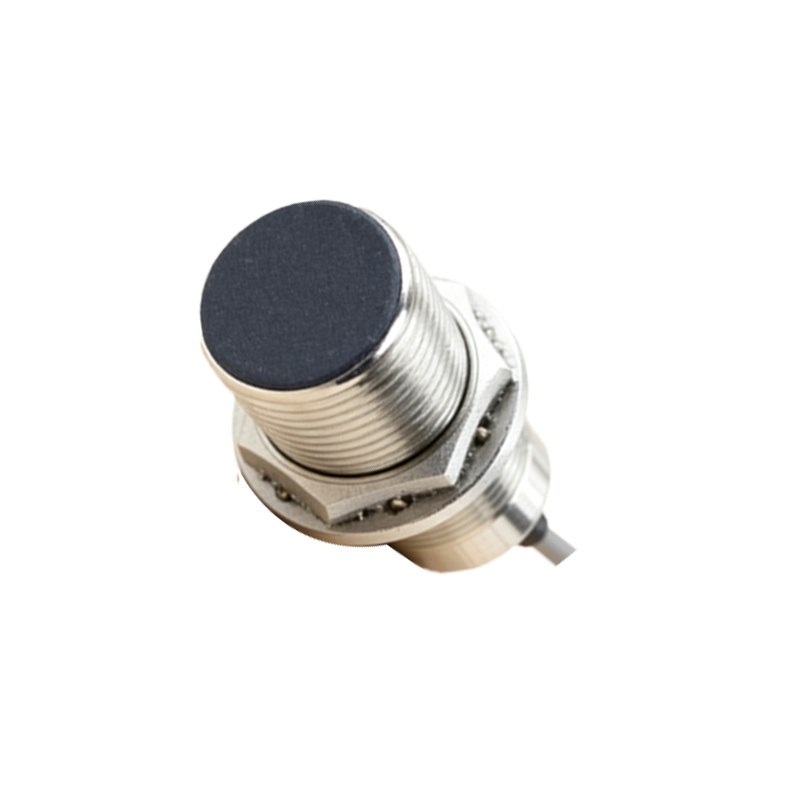
The simplicity of installation and alignment is a notable practical benefit. These sensors often require less precise positioning compared to some other proximity sensor types. As they react to magnetic fields, they can detect targets through non-magnetic materials like plastic, aluminum, or stainless steel housings. This enables flexible mounting options and allows for hidden or protected installations, safeguarding the sensor from direct physical impact or exposure.
Energy efficiency is a key consideration in modern systems, and magnetic proximity sensors excel in this area. Many models, particularly reed switch or magnetoresistive types, consume very low power when in a passive state, making them ideal for battery-operated devices or energy-conscious applications. Their ability to function with minimal current draw contributes to overall system power savings.
Furthermore, magnetic sensors offer consistent performance across a wide temperature range. They are less susceptible to thermal drift compared to some electronic sensors, maintaining accuracy and repeatability in both high-temperature industrial ovens and low-temperature cold storage environments. This thermal stability ensures reliable signaling and control without the need for frequent recalibration.
In terms of safety and versatility, these sensors provide excellent solutions. They are inherently safe for use in explosive or flammable atmospheres because the sensing action involves no sparking or heat generation. This makes them suitable for chemical plants, mining operations, and fuel handling systems. Additionally, they can detect both linear and rotational movement, enabling diverse applications from door position sensing in appliances to speed detection in automotive anti-lock braking systems.
The cost-effectiveness of magnetic proximity sensors, especially over the long term, adds to their appeal. While initial purchase price may vary, their low maintenance requirements, durability, and reliability lead to a lower total cost of ownership. Industries benefit from reduced replacement frequency and fewer system interruptions, enhancing overall productivity.
From automotive and aerospace to consumer electronics and industrial automation, magnetic proximity sensors continue to evolve. Advances in magnet technology and integrated circuit design have led to smaller, more sensitive, and smarter sensors capable of providing digital outputs or interfacing directly with microcontrollers. Their blend of ruggedness, precision, and adaptability ensures they remain a preferred choice for engineers seeking dependable non-contact sensing solutions in an increasingly automated world.