In the realm of industrial automation, consumer electronics, and smart systems, the ability to measure temperature without physical contact is a critical capability. Proximity temperature sensors, often referred to as non-contact infrared (IR) temperature sensors, fulfill this role by detecting thermal radiation emitted by objects. This technology enables precise, rapid, and safe temperature monitoring across diverse environments where traditional contact sensors are impractical or inefficient.
The fundamental principle behind these sensors is based on blackbody radiation physics. All objects with a temperature above absolute zero emit infrared radiation. A proximity temperature sensor captures this emitted radiation through an optical system, typically a lens, and focuses it onto a detector. This detector, often a thermopile or a pyroelectric sensor, converts the radiant energy into an electrical signal. The sensor's internal electronics then process this signal, applying algorithms that account for the object's emissivity—a measure of how efficiently it emits thermal radiation compared to a perfect blackbody—to calculate and output an accurate temperature reading. This entire process happens almost instantaneously, providing a significant advantage in dynamic or fast-moving applications.
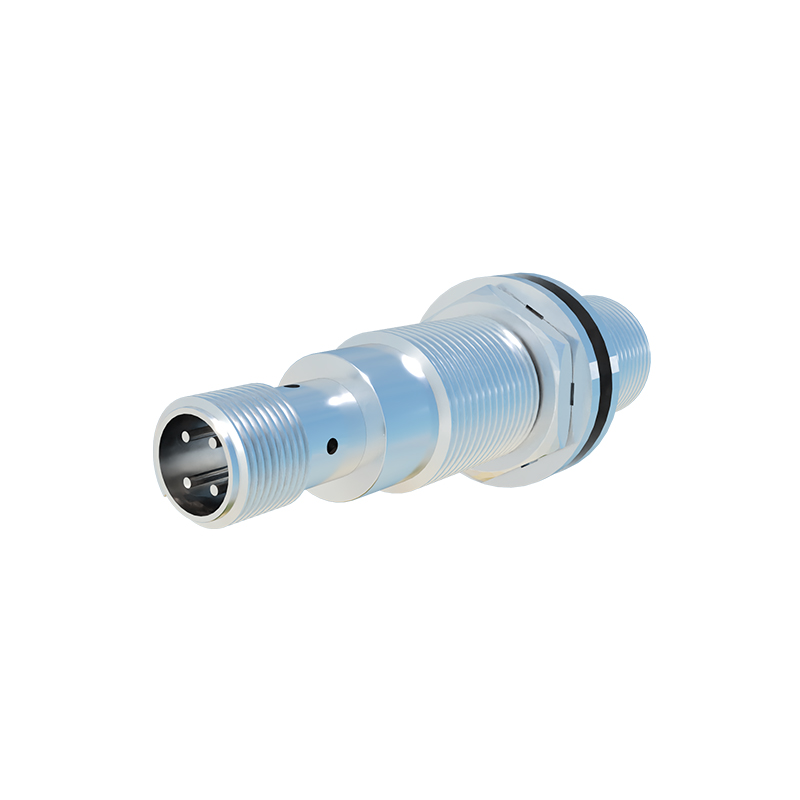
The applications for proximity temperature sensors are vast and continually expanding. In industrial settings, they are indispensable for predictive maintenance, monitoring the temperature of motors, bearings, and electrical panels to prevent overheating and costly downtime. Within manufacturing processes, such as plastic molding or food production, they ensure product quality by verifying temperatures on production lines. The automotive industry utilizes them for monitoring engine components, brake systems, and tire temperatures. In the consumer domain, they are integrated into smart home devices for occupancy detection and climate control, and in smartphones for enhancing camera performance and battery management. Perhaps most visibly in recent years, they have been deployed in public spaces for fever screening, showcasing their role in public health and safety.
Selecting the appropriate proximity temperature sensor requires careful consideration of several key parameters. The first is the measurement range, which must encompass the minimum and maximum temperatures of the target application. Optical resolution, expressed as a distance-to-spot size ratio (D:S), determines the size of the measurement area at a specific distance; a higher ratio is necessary for measuring small objects from afar. Spectral response is another crucial factor; standard sensors operate in the broad 8-14 μm range, ideal for most materials, while specialized sensors for measuring glass or flames use different wavelength bands. Response time indicates how quickly the sensor can reflect a temperature change, which is vital for high-speed processes. Environmental conditions such as ambient temperature, humidity, and the presence of dust or steam can affect performance and may necessitate sensors with protective housings or air purge fittings. Finally, the interface—whether analog (4-20 mA, 0-10 V) or digital (I2C, SPI, IO-Link)—must be compatible with the existing control or data acquisition system.
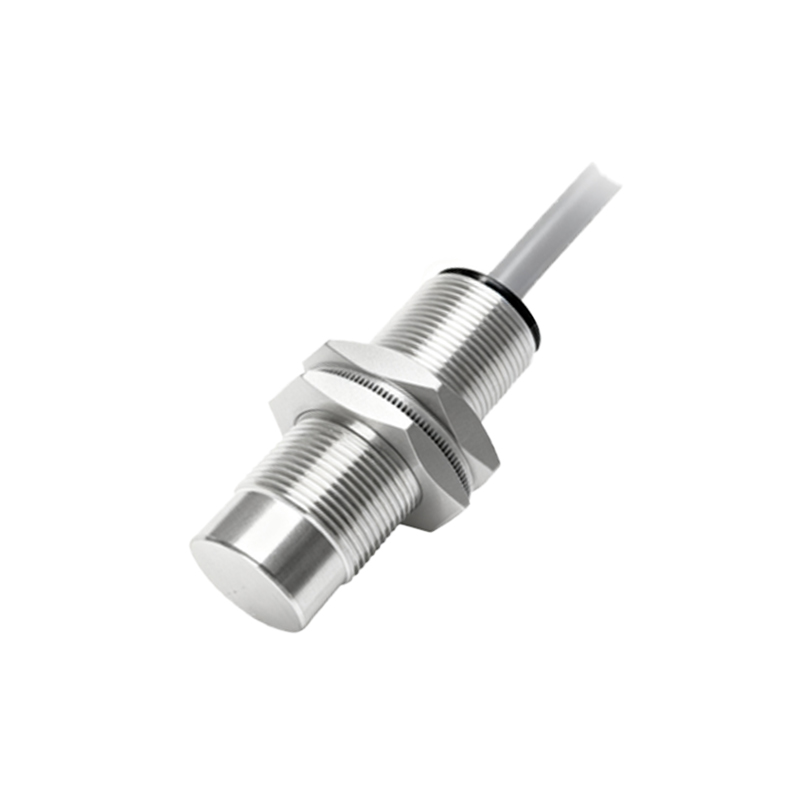
Despite their advantages, users must be aware of limitations and best practices. The accuracy of a reading can be compromised if the sensor's field of view includes background objects at different temperatures or if the target object has a very low or unknown emissivity. Reflective surfaces like polished metal can also pose challenges. For reliable measurements, it is essential to ensure the target fills the sensor's spot size, to know and correctly set the emissivity value in the sensor's configuration, and to maintain a clean lens free of obstructions. Regular calibration against a known reference is recommended to maintain long-term accuracy.
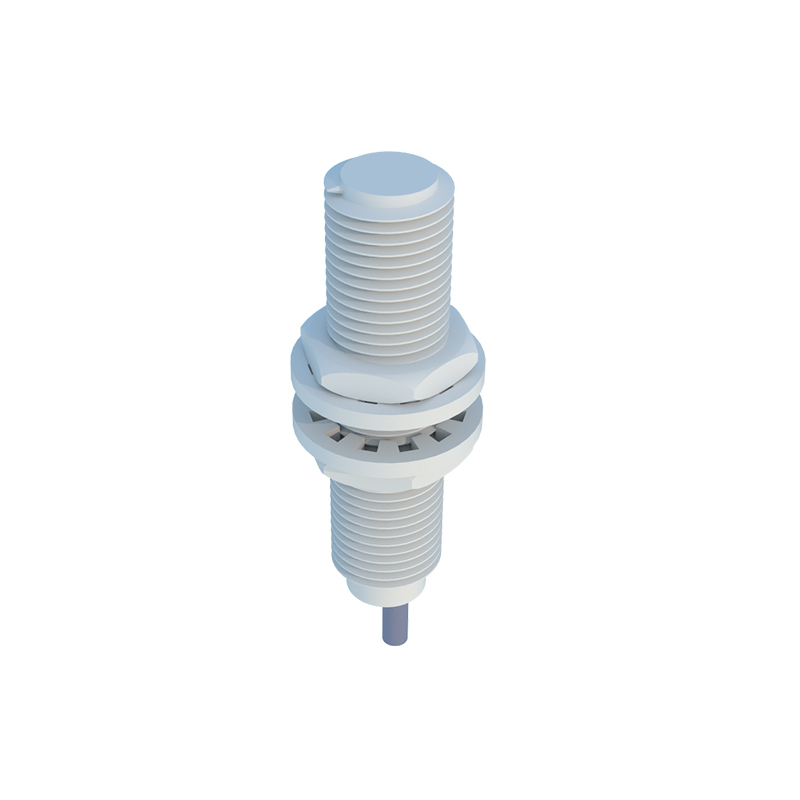
The future of proximity temperature sensing is being shaped by trends toward miniaturization, increased intelligence, and connectivity. Sensors are becoming smaller, less expensive, and more power-efficient, enabling their integration into a wider array of Internet of Things (IoT) devices. Onboard processing capabilities are growing, allowing for advanced functions like alarms, data logging, and emissivity compensation directly within the sensor unit. Furthermore, the integration of wireless communication protocols facilitates the deployment of large-scale, wireless sensor networks for comprehensive thermal monitoring in smart factories, buildings, and agricultural systems.
In conclusion, proximity temperature sensors represent a versatile and powerful tool for non-invasive temperature measurement. By understanding their operating principles, recognizing their broad application potential, and carefully evaluating technical specifications against specific needs, engineers and system integrators can effectively harness this technology to improve efficiency, ensure safety, and enable innovation across countless industries.