Introduction to Inductive Proximity Sensor Accuracy
Inductive proximity sensors are widely used in industrial automation for detecting metallic objects without physical contact. Their accuracy is critical for ensuring reliable operation in applications such as positioning, counting, and quality control. Accuracy refers to the sensor's ability to consistently detect a target at the specified sensing distance under defined conditions. It encompasses repeatability, hysteresis, and temperature stability, which collectively determine performance in real-world environments. Understanding the factors influencing accuracy helps engineers select and deploy sensors effectively, minimizing errors in automated systems.
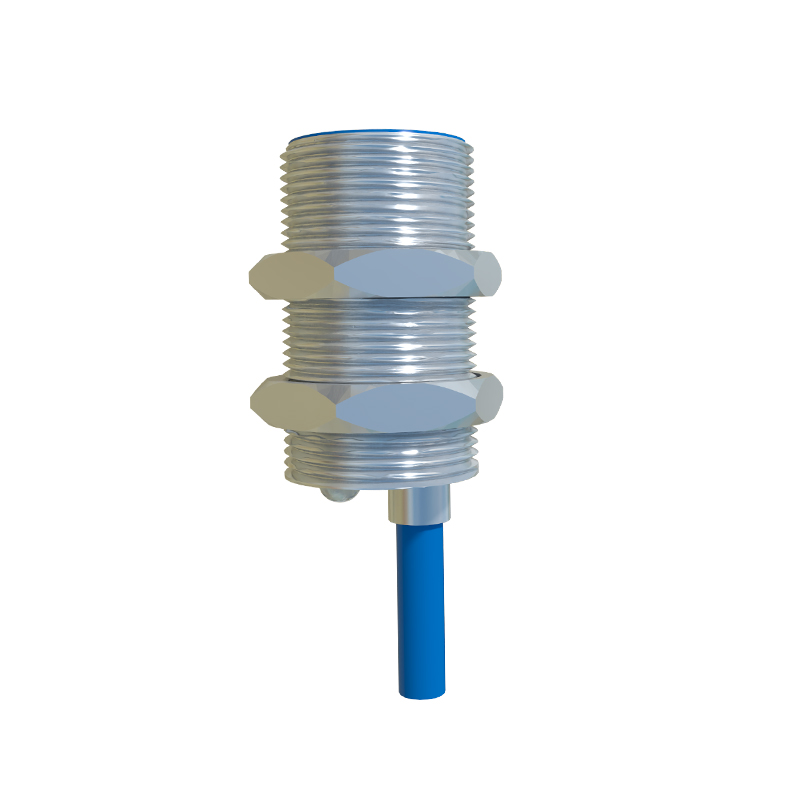
Factors Affecting Sensing Accuracy
Several key factors impact the accuracy of inductive proximity sensors. First, the target material plays a significant role; ferrous metals like steel typically yield longer sensing distances compared to non-ferrous metals such as aluminum or copper. Second, target size and shape matter—smaller or irregularly shaped targets may reduce detection consistency. Third, environmental conditions like temperature fluctuations can cause drift in sensing characteristics, as internal components expand or contract. Electrical noise from nearby machinery may also interfere with signal integrity. Additionally, sensor mounting and alignment must be precise to avoid false triggers or missed detections.
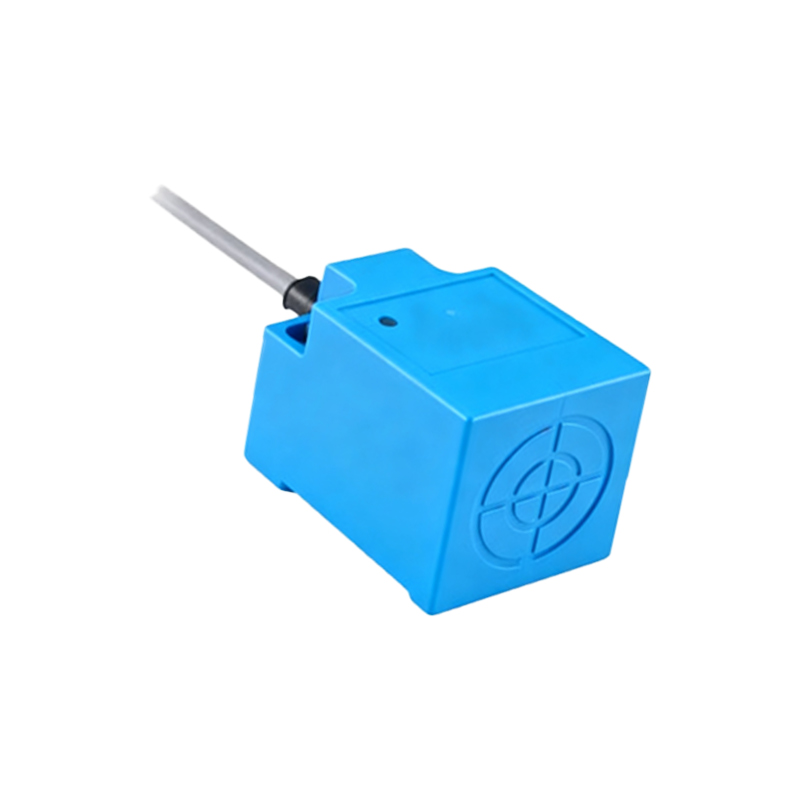
Repeatability and Hysteresis in Performance
Repeatability is the sensor's ability to consistently detect a target at the same point under identical conditions, often expressed as a percentage of the sensing range. High repeatability ensures stable operations in repetitive tasks. Hysteresis, on the other hand, refers to the difference between the switch-on and switch-off points. It prevents chattering when a target is near the sensing threshold but can affect precision if too large. Manufacturers typically design hysteresis to balance reliability and accuracy, with values specified in datasheets. Optimizing these parameters requires careful calibration based on application needs.
Temperature Influence and Compensation Techniques
Temperature changes significantly affect inductive sensor accuracy by altering coil resistance and magnetic properties. For instance, high temperatures may reduce sensing distance, while low temperatures can increase it. To mitigate this, many sensors incorporate temperature compensation circuits that adjust output signals to maintain consistency across operating ranges. Engineers should select sensors rated for their environment's temperature extremes and consider thermal shielding in harsh conditions. Regular monitoring and calibration can further enhance long-term accuracy.
Electrical Noise and Shielding Methods
Industrial environments often contain sources of electrical noise, such as motors or frequency converters, which can disrupt sensor signals and reduce accuracy. Shielding techniques are essential to counteract this. Shielded sensors have a metal front that confines the magnetic field, reducing interference from adjacent metallic objects or noise sources. Unshielded sensors offer longer ranges but are more susceptible to noise. Proper grounding, cable routing away from high-voltage lines, and using filters or shielded cables also improve signal integrity. Testing in situ helps identify and resolve noise-related issues.
Mounting and Alignment Best Practices
Correct mounting and alignment are crucial for maximizing inductive proximity sensor accuracy. Sensors should be installed flush with mounting surfaces to prevent side-effects from surrounding metals. The target must approach the sensor axially for optimal detection, with alignment tolerances specified by manufacturers. Vibration or mechanical shifts can misalign sensors over time, so secure fastening and periodic checks are recommended. In applications requiring high precision, using fixtures or guides ensures consistent target positioning.
Calibration and Maintenance for Sustained Accuracy
Regular calibration and maintenance help maintain sensor accuracy throughout its lifespan. Calibration involves adjusting the sensor to a reference standard under controlled conditions, compensating for wear or environmental changes. Maintenance includes cleaning sensor faces to prevent debris buildup, inspecting cables for damage, and verifying electrical connections. Implementing predictive maintenance schedules based on usage data can preempt accuracy degradation. Documentation of calibration records aids in troubleshooting and compliance with industry standards.
Conclusion and Future Trends
Inductive proximity sensor accuracy is a multifaceted aspect influenced by design, environment, and application practices. By addressing factors like target properties, temperature, noise, and mounting, engineers can achieve reliable performance. Emerging trends include smart sensors with integrated diagnostics and digital communication (e.g., IO-Link) that enable real-time accuracy monitoring and adjustments. As automation evolves, advancements in materials and signal processing will further enhance precision, supporting more complex industrial systems.