Introduction to Magnetic Proximity Sensors
Magnetic proximity sensors are non-contact detection devices that utilize magnetic fields to identify the presence or absence of a target object. Unlike traditional mechanical switches, these sensors operate without physical contact, making them highly reliable in harsh industrial environments. They are commonly employed in automation systems, automotive applications, and safety mechanisms. The core principle involves a magnetic field generated by either a permanent magnet within the sensor or an external magnet. When a ferromagnetic target, such as steel or iron, enters this field, it triggers a change in the sensor's internal state, typically switching an electrical output. This fundamental operation underpins their widespread use across various sectors, offering a robust solution for position sensing, limit switching, and object detection tasks.
Key Operating Characteristics
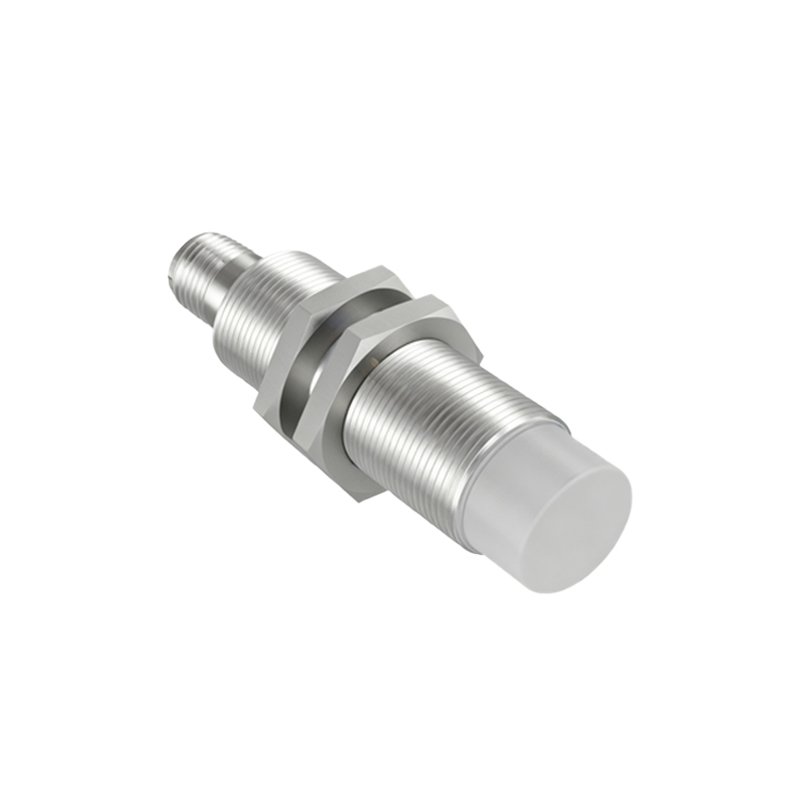
One of the most significant features of magnetic proximity sensors is their exceptional durability. Since detection occurs without physical contact, there is no mechanical wear on the sensing element. This leads to a dramatically extended operational lifespan compared to mechanical limit switches. Furthermore, these sensors are inherently sealed against environmental contaminants. Many models boast high IP (Ingress Protection) ratings, making them resistant to dust, moisture, oils, and coolants. This sealing allows them to perform reliably in demanding settings like machine tools, material handling equipment, and outdoor installations. The sensing range, or operating distance, is precisely defined and consistent, ensuring repeatable and accurate detection cycles critical for automated processes.
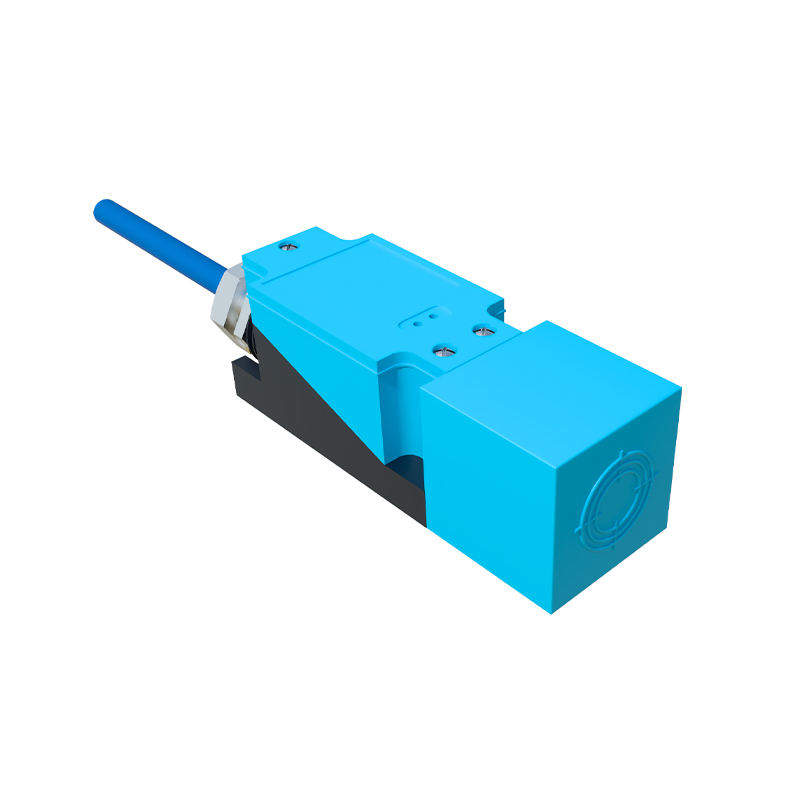
Output Types and Electrical Configurations
Magnetic proximity sensors are available with various output configurations to interface seamlessly with control systems. The two primary electronic output types are NPN (sinking) and PNP (sourcing) transistor outputs, which are standard in DC-powered sensors. These solid-state switches can control loads such as PLC inputs, relays, or indicators. For AC applications, sensors with relay or solid-state AC outputs are common. Additionally, analog output versions provide a continuous signal proportional to the distance to the target, useful for precise positioning feedback. Many modern sensors also feature short-circuit and reverse polarity protection, enhancing system safety and preventing damage from wiring errors. The choice of output depends on the specific requirements of the control circuit and the available power supply.
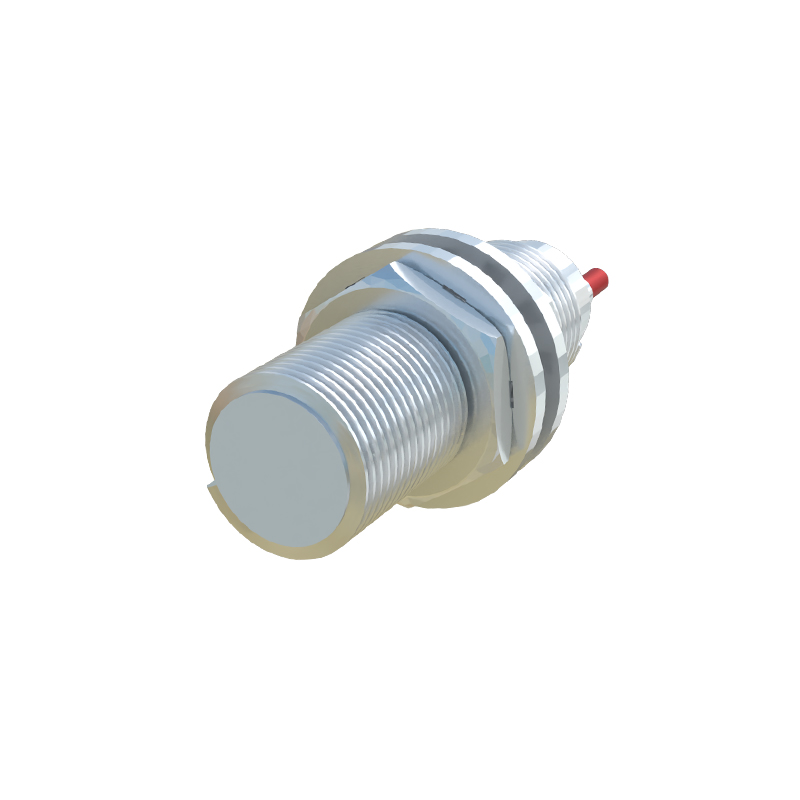
Performance in Harsh Conditions
The resilience of magnetic proximity sensors under extreme conditions is a defining advantage. They are largely unaffected by ambient factors that plague other sensor types. For instance, they are immune to accumulation of non-ferrous dust, chips, or debris on their sensing face. Unlike optical sensors, their operation is not impaired by dirty environments, fog, or lighting conditions. They can also withstand significant mechanical shock and vibration, maintaining stable performance in mobile equipment or heavy machinery. The operating temperature range is typically broad, allowing functionality in both freezing cold and high-heat industrial ovens. This robustness minimizes downtime and maintenance costs, contributing to higher overall equipment effectiveness (OEE).
Target Requirements and Installation Simplicity
For reliable operation, the target object must be ferromagnetic. The effective sensing distance can vary based on the target's size, shape, and material grade. Generally, a larger target or one with higher magnetic permeability will activate the sensor from a greater distance. Installation is notably straightforward. These sensors often come in compact, threaded barrel housings (e.g., M8, M12, M18, M30) that can be easily mounted in drilled holes. Their simple two-wire or three-wire connection schemes facilitate quick integration into existing electrical panels. The non-contact nature also allows for flexible mounting, as only the magnetic field needs to interact with the target, eliminating precise alignment needs in many applications.
Common Industrial Applications
The application spectrum for magnetic proximity sensors is vast. In factory automation, they are ubiquitous as end-of-travel limit switches on cylinders, linear actuators, and sliding doors. They verify the position of machine parts, count metallic objects on conveyors, and monitor the open/closed status of guards and hatches. In the automotive industry, they sense gear position in transmissions and detect seat belt engagement. Safety systems utilize them in interlock switches to ensure machine access doors are securely closed before operation. Their reliability also makes them ideal for agricultural machinery, packaging equipment, and renewable energy systems like wind turbines for pitch control monitoring.
Selection Considerations and Best Practices
Selecting the appropriate magnetic proximity sensor requires analyzing several parameters. The required sensing distance, target material and size, and available mounting space are primary factors. The electrical characteristics—operating voltage, output type, and current rating—must match the control system. Environmental conditions dictate the necessary housing material (often nickel-plated brass or stainless steel) and IP rating. For applications involving strong external