Introduction to 220V Proximity Switches
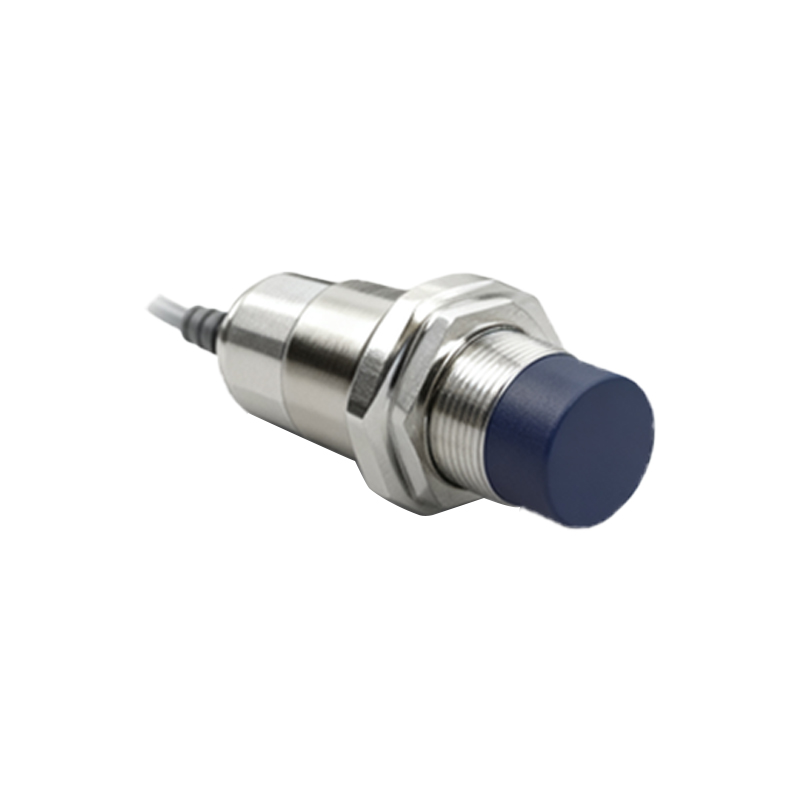
In the realm of industrial automation and control systems, proximity switches are indispensable components for non-contact detection. Among the various configurations available, the 220V AC proximity sensor stands out for its direct compatibility with standard industrial power supplies, eliminating the need for additional power conversion modules in many setups. These sensors operate by generating an electromagnetic field and detecting changes caused by the presence of a metallic target object. The "220V" designation refers to the operating voltage, aligning with common mains voltage in numerous regions, which simplifies wiring and system integration. Their robust design allows them to function reliably in harsh environments characterized by dust, moisture, and vibration, making them a cornerstone in manufacturing, packaging, and material handling applications.
Operating Principle and Sensing Technology
The core technology behind most 220V AC proximity switches is inductive sensing. Inside the sensor housing, an oscillator generates a high-frequency electromagnetic field that radiates from the active face. When a ferrous or non-ferrous metal object enters this detection field, eddy currents are induced on the surface of the target. This process dampens the oscillation amplitude within the sensor. An evaluation circuit monitors this change and triggers a solid-state switching element at the output. For AC models, this output typically consists of a triac or a robust relay, capable of directly switching 220V AC loads. The sensing distance, or "switching distance," is a critical specification and is defined for a standard target, usually mild steel. It is important to note that factors like target material, size, and shape can influence the effective sensing range.
Key Advantages of 220V AC Models
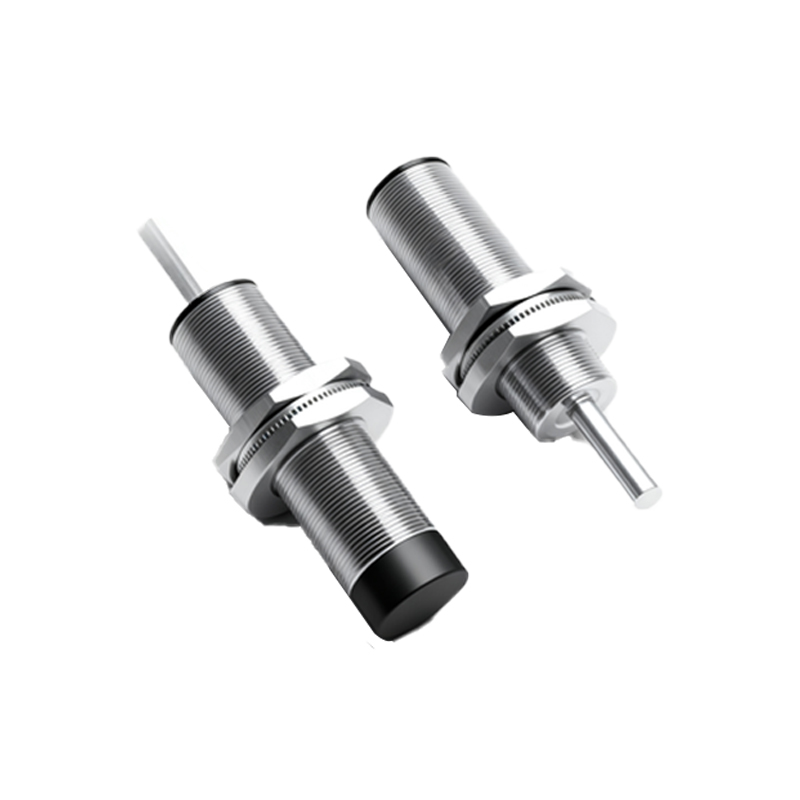
Utilizing 220V AC proximity sensors offers several distinct benefits in industrial settings. The primary advantage is simplified installation and reduced component count. By operating directly on the line voltage, these sensors can control actuators, contactor coils, solenoids, or indicator lamps without intermediary relays or power supplies, streamlining control cabinet design. They exhibit high switching frequencies, enabling fast response times suitable for high-speed counting or positioning tasks. Furthermore, their solid-state construction, with no moving mechanical parts, ensures exceptionally long operational life and high reliability, even under millions of switching cycles. The inherent resistance to environmental contaminants and the availability of various housing materials (like nickel-plated brass, stainless steel, or PBT plastic) allow deployment in demanding conditions.
Wiring and Installation Considerations
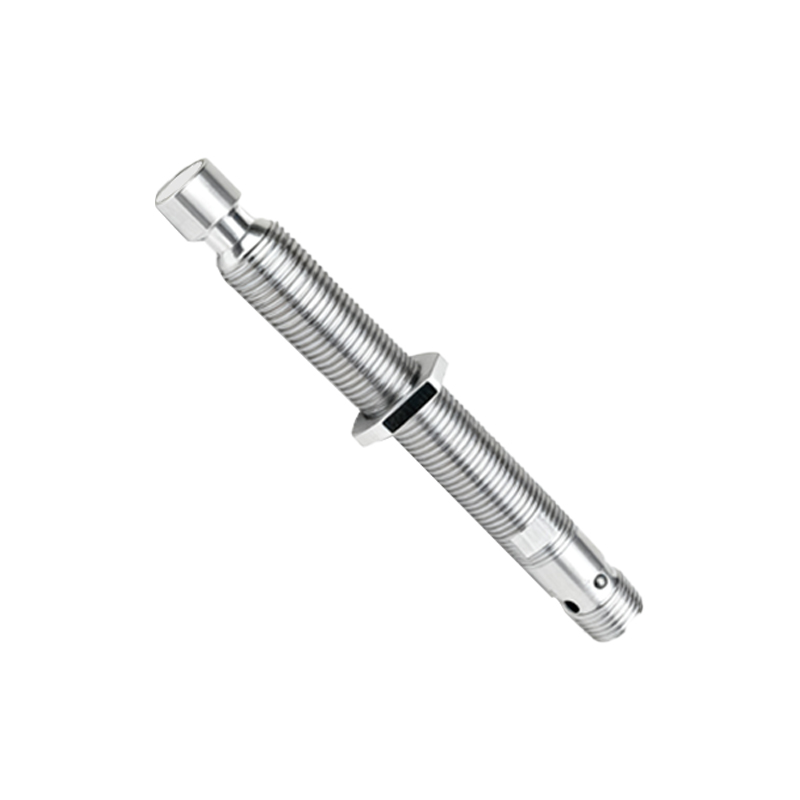
Correct wiring is paramount for the safe and reliable operation of a 220V proximity switch. Standard two-wire AC sensors are common, integrating seamlessly into a circuit like a traditional switch. The basic connection involves linking the brown wire (typically Line/L) to the 220V AC phase and the blue wire (typically Neutral/N) to the load and then to neutral. The load (e.g., a contactor coil) is connected in series with the sensor. It is crucial to observe the sensor's current ratings, ensuring the load current falls between the minimum required to keep the sensor active (leakage current) and the maximum switching capacity. A protective fuse is always recommended. For noise immunity in electrically noisy environments, using shielded cables and keeping signal wires away from power lines is essential. Always adhere to the manufacturer's datasheet and local electrical codes.
Output Types and Load Compatibility
220V AC proximity sensors are available with different output configurations to match specific application needs. The standard output is normally open (NO), where the switch closes (conducts) when a target is detected. Normally closed (NC) types are also available. Some advanced models feature complementary outputs (one NO and one NC) or analog current/voltage outputs for distance-proportional signaling. A critical parameter is the type of load. These sensors are ideal for resistive loads (like heaters) and inductive loads (like solenoid valves and contactor coils). However, when switching highly inductive loads, protective circuits such as RC snubbers or varistors across the load are often necessary to suppress voltage spikes that could damage the sensor's internal electronics.
Application Examples in Industry
The applications for 220V proximity switches are vast and varied across industrial sectors. In automated production lines, they are used for part presence verification, end-of-travel detection on cylinders, and rotary speed monitoring. In metalworking and CNC machinery, they serve as precise tool position sensors or workpiece counters. Within material handling systems, they detect the position of pallets on conveyors or the level of objects in bins. Their robustness makes them suitable for harsh applications like sawmills, foundries, and outdoor equipment. A specific example is their use in controlling a 220V AC hydraulic power unit; the sensor detects when a machine part reaches