Introduction to Capacitive Proximity Sensors
Capacitive proximity sensors, such as the KB5003 model, are widely used in industrial automation for detecting objects without physical contact. These sensors operate based on the principle of capacitance change, making them versatile for various materials, including metals, plastics, liquids, and granular substances. Unlike inductive sensors that only detect conductive materials, capacitive sensors can sense both conductive and non-conductive targets, expanding their applicability in diverse environments. The KB5003 is known for its robust design, high sensitivity, and reliability in harsh conditions, making it a preferred choice in manufacturing, packaging, and material handling systems. Its ability to adjust sensitivity allows for precise detection, even through non-metallic barriers, enhancing operational efficiency and safety in automated processes.
Basic Working Principle of Capacitive Sensing
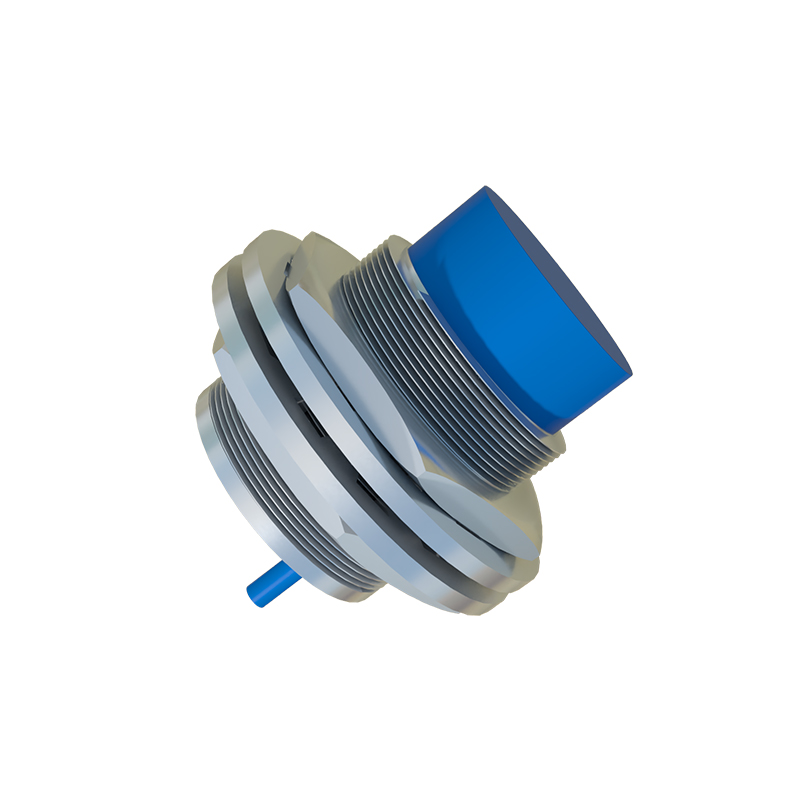
The core operation of the KB5003 capacitive proximity sensor relies on changes in capacitance within an electrical field. The sensor consists of an oscillator circuit that generates an electrostatic field between its active surface (electrode) and the ground. When an object enters this field, it alters the dielectric properties, causing a shift in capacitance. This change is detected by the sensor's internal circuitry, which triggers an output signal, typically a switch or analog response. The KB5003 model incorporates advanced electronics to filter environmental interference, ensuring stable performance. Key factors influencing detection include the object's material, size, distance, and the sensor's sensitivity setting, which can be fine-tuned via potentiometers or digital interfaces for optimal results in specific applications.
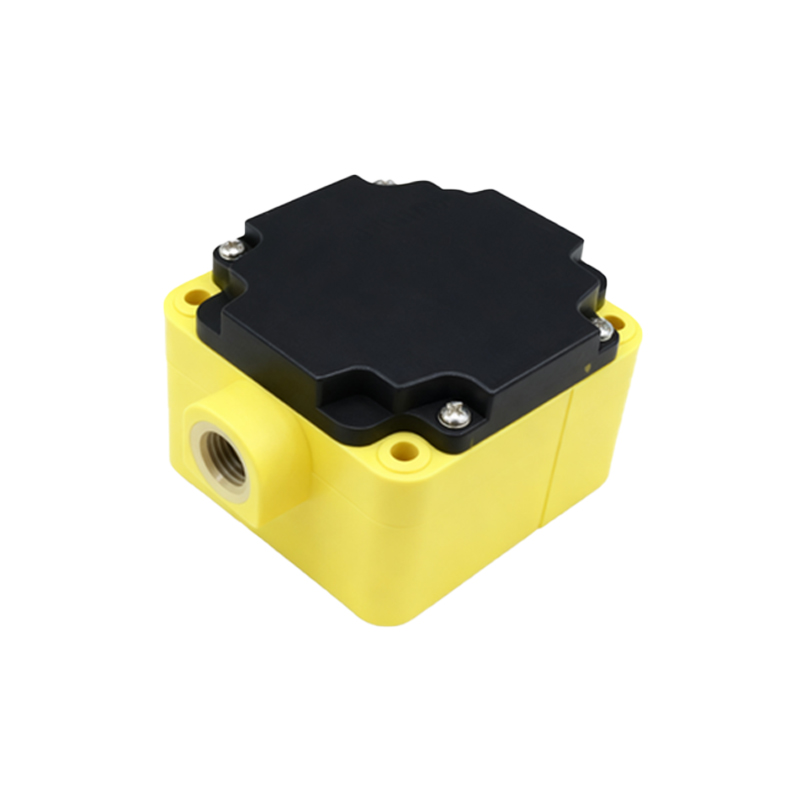
Internal Circuitry and Components of KB5003
Internally, the KB5003 sensor features a high-frequency oscillator, a demodulator, and an output stage. The oscillator creates the electrostatic field, while the demodulator converts capacitance variations into electrical signals. The output stage, often comprising solid-state switches or analog drivers, responds to these signals by activating or deactivating connected devices like relays or PLCs. The KB5003 is designed with protective measures against overvoltage, short circuits, and electromagnetic interference, ensuring durability in industrial settings. Its housing is typically made from materials like PBT or stainless steel, providing resistance to dust, moisture, and chemicals. Additionally, LED indicators on the sensor offer visual feedback for status monitoring, aiding in installation and troubleshooting processes.
Key Features and Specifications of KB5003
The KB5003 capacitive proximity sensor boasts several features that enhance its performance. It offers a detection range of up to 25 mm, adjustable sensitivity to accommodate different materials, and a fast response time suitable for high-speed applications. Operating voltages range from 10 to 30 V DC, with outputs including NPN, PNP, or analog options. The sensor is rated for IP67 protection, making it resistant to water and dust ingress. Temperature stability is maintained from -25°C to 70°C, ensuring reliable operation in varying climates. These specifications make the KB5003 ideal for tasks such as level detection in tanks, object counting on conveyor belts, and presence sensing in automated assembly lines, where precision and robustness are critical.
Applications in Industrial Automation
In industrial settings, the KB5003 capacitive proximity sensor finds extensive use due to its adaptability. Common applications include liquid level control in storage tanks, where it detects fluids through container walls without direct contact. In packaging machinery, it senses materials like cardboard or plastic films to trigger sealing or cutting actions. The sensor is also employed in agriculture for monitoring grain levels in silos, and in automotive manufacturing for part verification on production lines. Its ability to function through non-conductive barriers allows for hygienic installations in food processing, minimizing contamination risks. By integrating with control systems, the KB5003 enhances automation efficiency, reduces downtime, and improves safety by preventing collisions or overflows.
Installation and Calibration Guidelines
Proper installation and calibration are crucial for maximizing the KB5003 sensor's performance. Mount the sensor securely, ensuring the active surface is unobstructed and aligned with the target area. Maintain a clearance from metallic backgrounds to avoid false triggers, typically by following manufacturer-recommended distances. Calibration involves adjusting the sensitivity potentiometer while observing the target object; start with a low setting and increase until consistent detection is achieved. For challenging environments, such as those with high humidity or vibration, use shielding or damping techniques. Regular maintenance, including cleaning the sensor face and checking connections, helps sustain accuracy. Always refer to the KB5003 datasheet for specific wiring diagrams and operational limits to ensure compliance with safety standards.
Advantages and Limitations
The KB5003 capacitive proximity sensor offers significant advantages, such as