Introduction to Proximity Sensors
The global industrial landscape is increasingly driven by automation and smart technologies, with proximity sensors standing as a critical component in this evolution. These non-contact devices detect the presence or absence of objects within a defined sensing range, providing essential data for control systems. Their reliability, durability, and precision make them indispensable across a multitude of sectors, from automotive assembly lines to food packaging and pharmaceutical manufacturing. The annual demand for these sensors serves as a key indicator of industrial health and technological adoption rates worldwide. Understanding the factors influencing this demand requires an analysis of market drivers, technological advancements, and regional industrial growth patterns.
Current Market Size and Growth Drivers
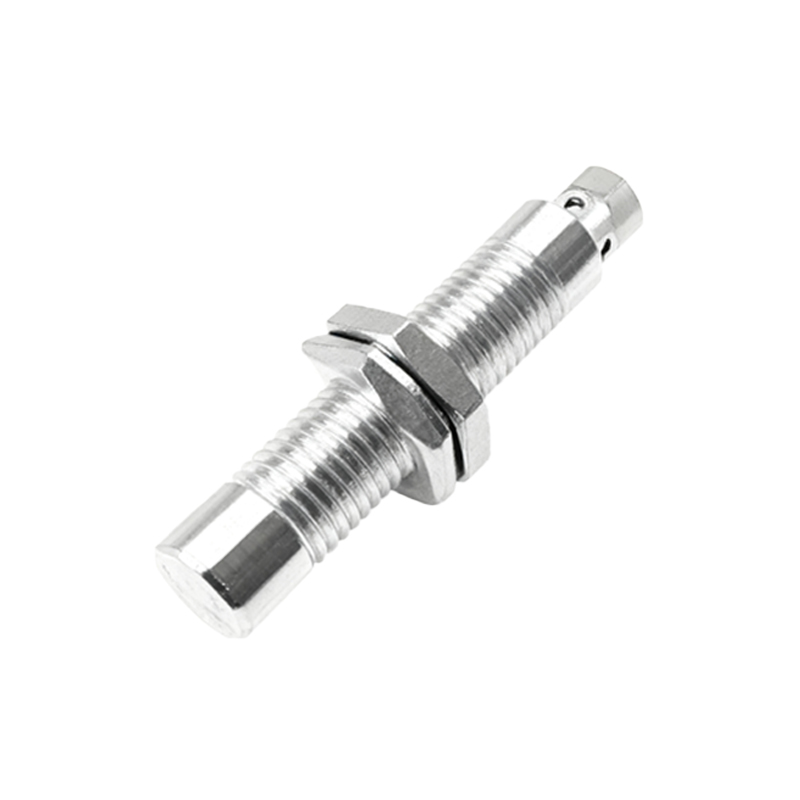
Recent market analysis reports indicate a robust and expanding global market for proximity sensors. The annual demand is projected to continue on a significant growth trajectory, with a compound annual growth rate (CAGR) estimated in the mid-single digits over the next five to seven years. This growth is fueled by several interconnected factors. Primarily, the accelerated adoption of Industry 4.0 principles and the Industrial Internet of Things (IIoT) is a major catalyst. Modern manufacturing facilities require extensive sensor networks for real-time monitoring, predictive maintenance, and process optimization, directly increasing the deployment of proximity sensors. Secondly, the relentless push for automation to enhance efficiency, reduce labor costs, and improve product quality across all manufacturing sectors consistently drives procurement. Furthermore, the expansion of the automotive industry, particularly in electric vehicle (EV) production and advanced driver-assistance systems (ADAS), creates substantial demand for high-precision inductive and capacitive sensors.
Key Industry Applications Fueling Demand
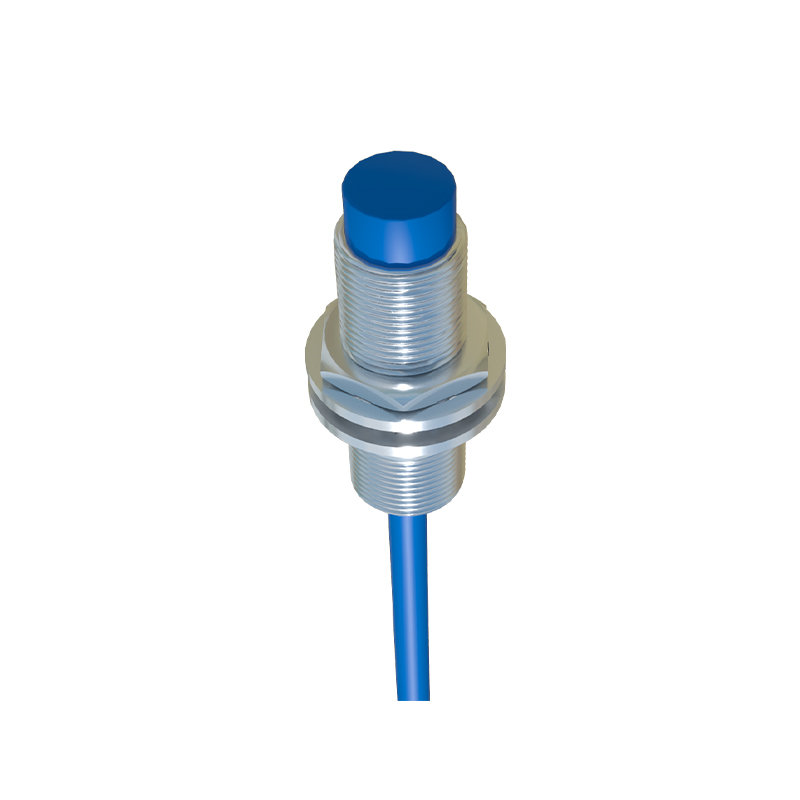
The demand is not uniform but is concentrated in several high-growth applications. In the automotive sector, proximity sensors are ubiquitous in robotic welding, part positioning, and safety interlocks. The aerospace industry utilizes them for precise component alignment and landing gear monitoring. Consumer electronics manufacturing, with its need for miniaturization and high-speed assembly, relies heavily on miniature photoelectric and inductive sensors. Furthermore, the material handling and packaging industries employ these sensors extensively for object counting, jam detection, and conveyor belt control. A rapidly emerging application is in collaborative robotics (cobots), where safety-rated proximity sensors are essential for ensuring safe human-robot interaction, opening a new and growing market segment.
Technological Advancements Shaping Procurement
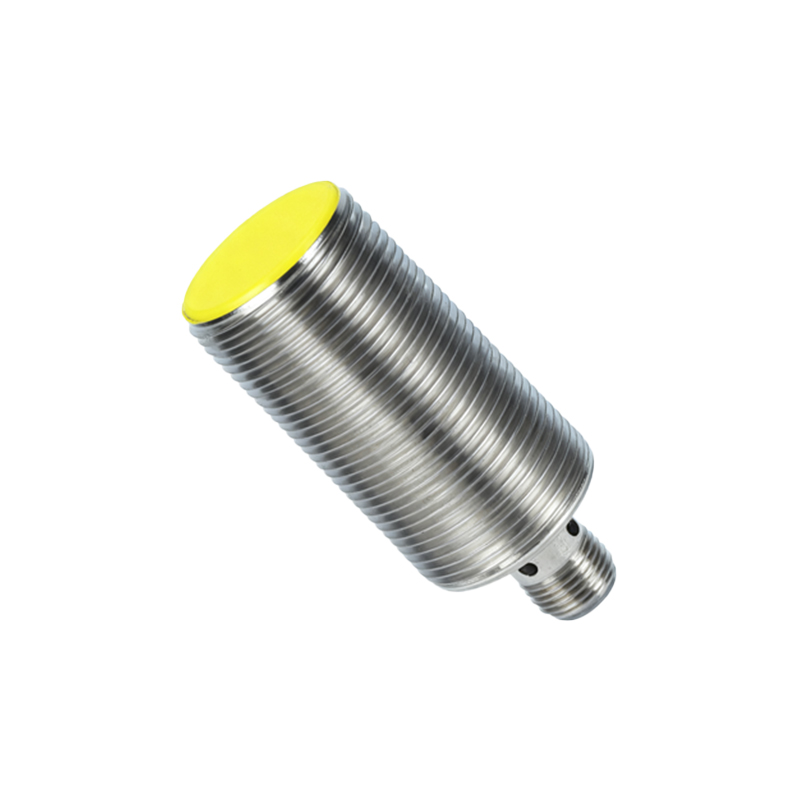
Technological innovation directly influences demand patterns by creating new capabilities and replacing older solutions. The development of IO-Link enabled proximity sensors is a significant trend. These "smart sensors" provide not just a switching signal but also detailed diagnostic data (like temperature, operating hours, and signal strength), which is invaluable for IIoT ecosystems. This functionality often justifies a higher price point but offers greater long-term value, influencing procurement decisions towards more advanced models. Additionally, there is a growing demand for sensors with enhanced environmental robustness—higher ingress protection (IP) ratings, resistance to extreme temperatures, and immunity to electromagnetic interference. The miniaturization of sensors without compromising performance also drives replacement cycles in compact machinery designs.
Regional Demand Analysis
Geographically, demand exhibits distinct regional characteristics. The Asia-Pacific region, led by manufacturing powerhouses like China, Japan, South Korea, and increasingly India and Southeast Asian nations, accounts for the largest share of global consumption. This dominance is linked to the region's massive industrial output and aggressive investment in factory automation. North America and Europe follow, with demand driven by technological upgrades, a focus on high-value manufacturing, and stringent safety regulations that mandate the use of reliable sensing equipment. While mature, these markets show steady growth through retrofitting existing facilities and adoption of advanced sensor technologies. Emerging economies in Latin America and the Middle East & Africa are expected to exhibit higher growth rates from a smaller base as industrialization progresses.
Supply Chain and Pricing Considerations
The annual demand volume is intrinsically linked to supply chain dynamics and component pricing. The global semiconductor shortage highlighted the vulnerability of sensor manufacturing, which relies on integrated circuits and other electronic components. Such disruptions can temporarily constrain supply despite strong demand, affecting delivery timelines and potentially shifting demand between suppliers. On the pricing front, while basic inductive proximity sensors are highly commoditized with competitive pricing, advanced models with IO-Link, special materials (e.g., stainless steel housings), or high-precision capabilities command premium prices. Overall, economies of scale and manufacturing efficiencies in high-volume regions help moderate average selling prices, supporting sustained demand growth.
Future Outlook and Projections
The future outlook for proximity sensor demand remains overwhelmingly positive. The convergence of several mega-trends will sustain growth. The expansion of smart factories and digital twins will require even denser sensor networks. The growth of autonomous mobile robots (AMRs) in logistics and