Proximity sensors are essential components in modern automation and electronics, enabling devices to detect the presence or absence of objects without physical contact. Among the various types available, the single-wire proximity sensor stands out for its simplicity and efficiency. This article explores the principles, applications, and benefits of these sensors, providing a comprehensive overview for engineers, hobbyists, and industry professionals.
A single-wire proximity sensor operates on the principle of inductive or capacitive sensing, depending on the target material. Inductive sensors are used for detecting metallic objects, while capacitive sensors can detect both metallic and non-metallic materials. The "single-wire" designation refers to the simplified wiring configuration, where the sensor requires only one wire for signal transmission, often integrating power and data lines into a single conductor. This design reduces installation complexity and cost, making it ideal for space-constrained or high-density applications.
The core mechanism involves generating an electromagnetic field or electrostatic field around the sensor tip. When an object enters this field, it causes a change in oscillation amplitude or capacitance, which the sensor detects and converts into an electrical signal. This signal is then transmitted through the single wire to a control unit, such as a PLC (Programmable Logic Controller) or microcontroller, triggering actions like stopping a conveyor belt, counting items, or activating safety mechanisms.
One key advantage of single-wire proximity sensors is their durability. With no moving parts and robust housing, they resist wear, vibration, and harsh environmental conditions like dust, moisture, or extreme temperatures. This makes them suitable for industrial settings, such as manufacturing lines, automotive assembly, and packaging machinery. Additionally, their low power consumption and fast response times enhance system efficiency, reducing downtime and maintenance needs.
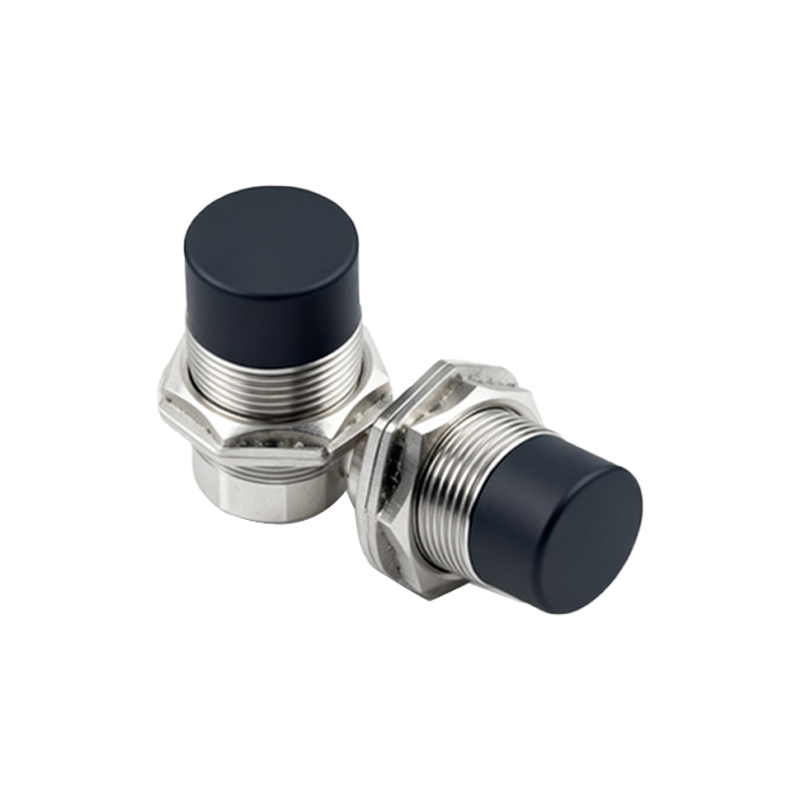
In practical applications, these sensors are versatile. For example, in automotive systems, they monitor wheel speed for anti-lock braking systems (ABS). In consumer electronics, they enable touchless interfaces in smartphones or automatic faucets. Home automation uses them for security systems, detecting intruders or controlling lighting. Their simplicity also benefits DIY projects, where users can integrate them into Arduino or Raspberry Pi setups for object detection or robotics.
When selecting a single-wire proximity sensor, factors like sensing range, material compatibility, and output type (e.g., digital or analog) must be considered. Typical sensing ranges vary from a few millimeters to several centimeters, with adjustments possible via built-in potentiometers. It's crucial to match the sensor to the target material—inductive sensors for metals, capacitive for plastics or liquids. Proper installation, avoiding interference from other electronic devices, ensures accurate performance.
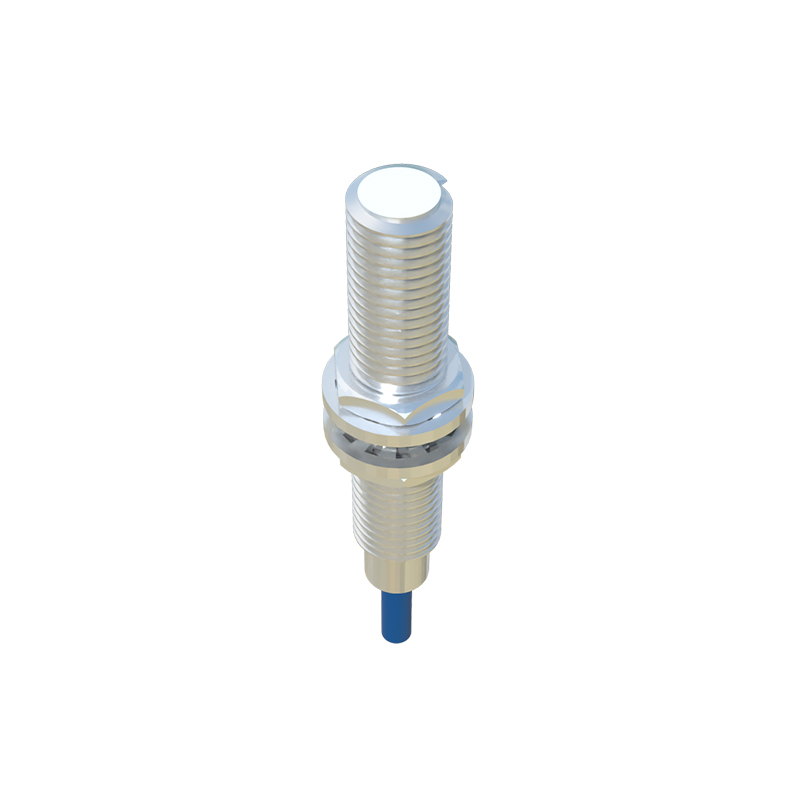
Despite their benefits, single-wire sensors have limitations. They may struggle with very small or fast-moving objects, and environmental factors like electromagnetic noise can affect reliability. However, advancements in technology, such as improved shielding and signal processing, are mitigating these issues. Future trends include miniaturization, IoT integration for smart monitoring, and enhanced sensitivity for diverse materials.
In summary, single-wire proximity sensors offer a balance of simplicity, reliability, and cost-effectiveness. By understanding their working principles and applications, users can leverage them to optimize automation processes, improve safety, and innovate in various fields. Whether in large-scale industry or small projects, these sensors prove that sometimes, less wiring leads to more efficiency.