In industrial automation and machinery, sensor proximity switches play a critical role in detecting the presence or absence of objects without physical contact. These non-contact sensors, including inductive, capacitive, and ultrasonic types, are fundamental for position sensing, counting, and safety interlocks. However, like all electronic components, they are susceptible to failure, leading to costly downtime and production errors. Understanding the common causes of sensor proximity switch failure and mastering systematic troubleshooting are essential skills for maintenance technicians and engineers.
One of the most prevalent causes of failure is environmental contamination. Proximity sensors, especially inductive models, operate in harsh industrial settings where they are exposed to metal chips, dust, oil, coolant, and other conductive or non-conductive debris. This buildup can physically obstruct the sensor's sensing face, attenuating the electromagnetic field or ultrasonic signal. For capacitive sensors, contamination can alter the dielectric constant, causing false triggering or loss of sensitivity. Regular cleaning of the sensor face with appropriate solvents and ensuring proper IP-rated enclosures for the environment are the first lines of defense.
Electrical issues constitute another major failure category. Voltage spikes and transients on the supply lines, often from nearby inductive loads like motors or solenoids switching, can damage the sensor's internal circuitry. Ensuring proper power supply conditioning, using surge protection devices, and adhering to correct wiring practices—such as keeping sensor cables away from power lines—are crucial. Incorrect wiring itself, such as reverse polarity or short circuits, can instantly destroy a sensor. Always verify the wiring against the manufacturer's datasheet before powering the system.
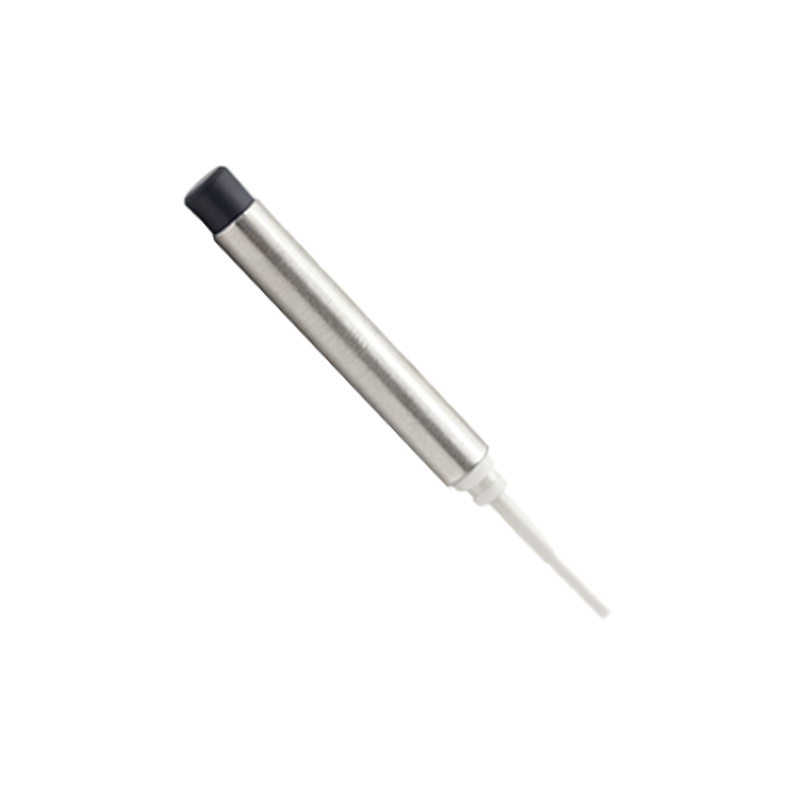
Sensor misalignment and improper installation are frequent, yet easily overlooked, problems. The sensing distance specified in datasheets is typically for ideal conditions. If a sensor is mounted too far from the target or at an incorrect angle, it may not detect reliably. Mechanical vibration can loosen mounting hardware, gradually shifting the sensor out of alignment. Furthermore, the sensor must be chosen for the correct target material; a standard inductive sensor may not detect non-ferrous metals effectively, requiring a different model. Ensuring secure mounting and verifying the sensor's specifications match the application are key preventive steps.
Internal component degradation over time is inevitable. The oscillator circuit in inductive sensors, the transducer in ultrasonic sensors, or the output switching transistor can wear out. Factors like continuous thermal cycling, operating at the extreme ends of the temperature rating, or simply prolonged use can lead to this gradual failure, manifesting as intermittent operation or a complete lack of output. While not always preventable, operating the sensor within its specified parameters extends its serviceable life.
When a proximity switch fails, a logical troubleshooting approach minimizes downtime. Begin with a visual inspection for obvious damage, contamination, or misalignment. Next, use a multimeter to check the supply voltage at the sensor's terminals to ensure it is within the specified range (e.g., 10-30 VDC). For a 3-wire DC sensor, measure the voltage between the output wire and the negative terminal while triggering the sensor. A proper switching output should show a clear change from near supply voltage to near zero volts (for an NPN sinking output) or vice versa (for a PNP sourcing output). A sensor simulator or a known-good replacement sensor can be used to isolate whether the fault lies with the sensor or the downstream controller (PLC). For programmable or adjustable sensors, always verify that the sensing distance, hysteresis, or output mode haven't been inadvertently changed.
Finally, do not overlook the target itself. A change in the target material, size, or surface condition can affect detection. A smaller than specified target may not provide enough material to trigger the sensor reliably. By methodically eliminating potential causes—environment, power, installation, sensor health, and target—you can reliably diagnose and resolve proximity switch failures, ensuring robust and continuous operation of automated systems.