Introduction to Proximity Sensing in Robotics
In the realm of industrial automation and advanced robotics, proximity sensors serve as the critical "eyes" of a machine, providing essential data about the immediate environment without physical contact. These devices detect the presence or absence of objects within a defined range, triggering a signal that informs the robot's control system. This capability is fundamental to enabling precise, efficient, and safe operations. From simple object detection on a conveyor belt to complex navigation and obstacle avoidance in autonomous mobile robots (AMRs), proximity sensors are indispensable components. Their non-contact nature ensures minimal wear and tear, high reliability, and the ability to operate in harsh environments where mechanical switches would fail. The evolution of robotics has been intrinsically linked with advancements in sensing technology, with proximity sensors at the forefront of this synergy.
Core Operating Principles and Technologies
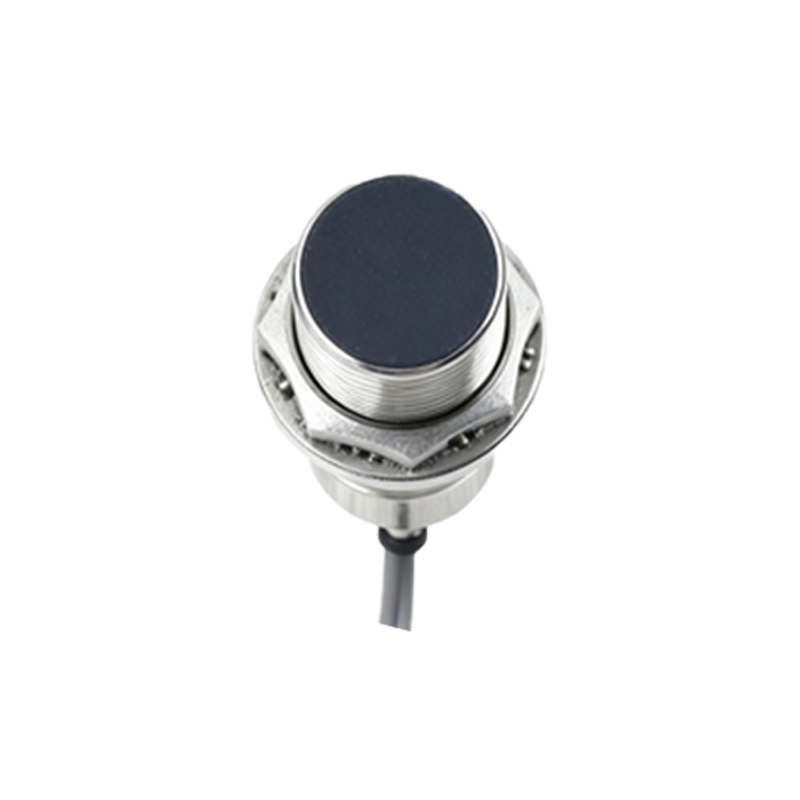
Proximity sensors function based on several distinct physical principles, each suited to different applications and materials. Inductive sensors are the workhorses for detecting metallic objects. They generate an electromagnetic field; when a metal target enters this field, it induces eddy currents, causing a change in the sensor's oscillation amplitude, which is then converted into a switching signal. Capacitive sensors, on the other hand, can detect both metallic and non-metallic materials like plastics, wood, or liquids. They measure changes in capacitance caused by the presence of any object that alters the dielectric constant of the space between the sensor's electrode and ground. For longer ranges and precise distance measurement, ultrasonic sensors emit high-frequency sound waves and calculate distance based on the time-of-flight of the reflected echo. Finally, photoelectric sensors use a light beam (visible, infrared, or laser) to detect objects, offering the longest sensing ranges among standard types.
Key Applications in Robotic Systems
The integration of proximity sensors into robotic systems is multifaceted. In robotic arms, inductive or capacitive sensors are used for precise end-of-arm tooling (EOAT) positioning, part presence verification in grippers, and ensuring safe retraction limits. On assembly lines, they count parts, verify correct orientation before a pick-and-place operation, and detect jams. For collaborative robots (cobots), safety-rated laser scanners and capacitive skin sensors create a protective field around the robot, enabling it to slow down or stop upon detecting a human intrusion, thus ensuring safe human-robot interaction. In mobile robotics, ultrasonic and infrared proximity sensors form arrays for basic obstacle detection and collision avoidance, often working in concert with more advanced vision systems for comprehensive environmental mapping.
Selection Criteria for Optimal Performance
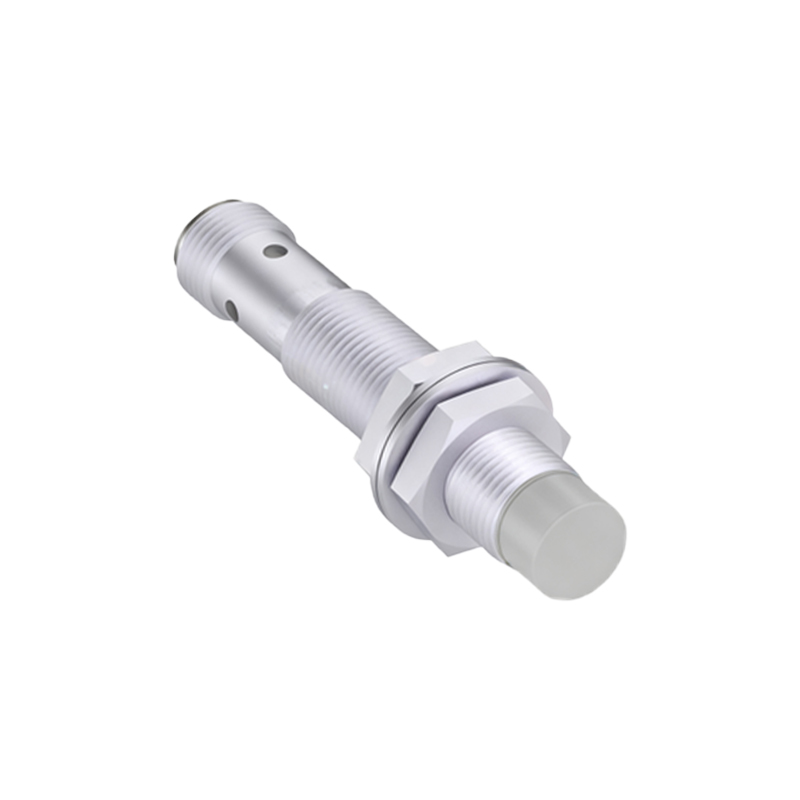
Choosing the right proximity sensor for a robotic application requires careful consideration of several technical parameters. The sensing range, or the maximum distance at which the sensor can reliably detect a standard target, is paramount. The target material dictates the sensor type: inductive for metals, capacitive for varied materials. Environmental factors such as temperature extremes, humidity, dust, oil, or electromagnetic interference can severely impact performance, necessitating sensors with appropriate ingress protection (IP) ratings and robust housing. Response time, the speed at which the sensor reacts to a target's presence, is critical in high-speed automation to ensure cycle times are met. Output configuration (PNP/NPN, analog, or IO-Link) must be compatible with the robot's controller. Finally, physical size and mounting options are often constrained by the robot's compact design.
Advantages and Impact on Robotic Efficiency
The deployment of proximity sensors directly translates to significant gains in robotic system efficiency, accuracy, and safety. They enable true automation by providing the necessary feedback for closed-loop control, allowing robots to adapt to minor variations in part placement or process conditions. This reduces downtime caused by errors and minimizes waste. The non-contact sensing eliminates mechanical part damage and reduces maintenance costs associated with physical limit switches. Enhanced safety systems, built around networks of proximity sensors, protect valuable capital equipment and, most importantly, human workers, facilitating the broader adoption of collaborative automation. Furthermore, the data provided by advanced sensors with analog or digital bus outputs (like IO-Link) can be used for predictive maintenance and process optimization, contributing to the overall smart factory ecosystem.
Future Trends and Developments
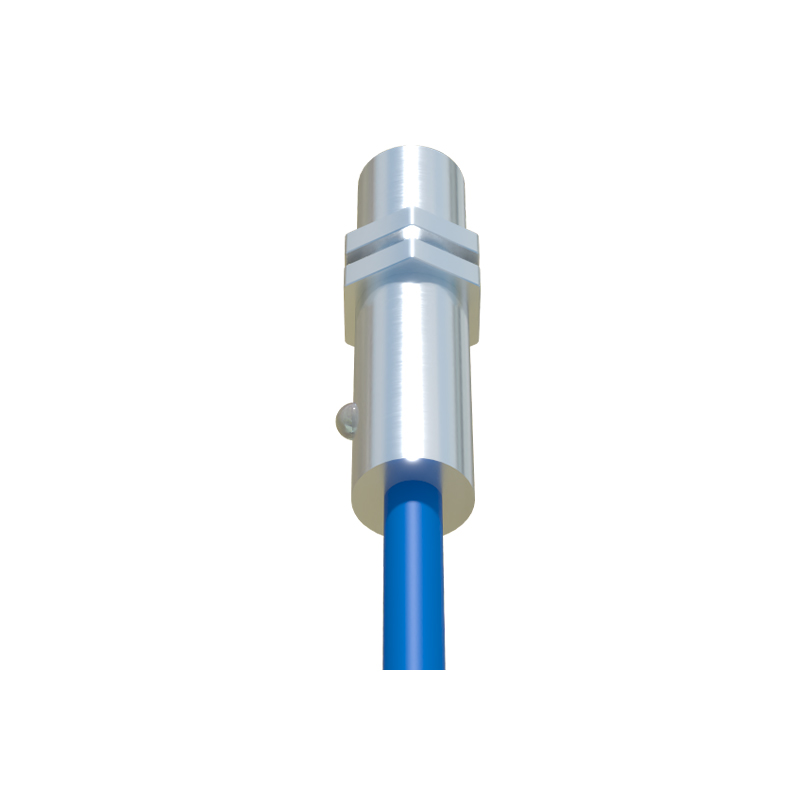
The future of proximity sensing in robotics is aligned with the trends of miniaturization, intelligence, and integration. Sensors are becoming smaller, allowing them to be embedded directly into robotic joints, fingers, and tools. The rise of smart sensors with embedded microprocessors and digital communication capabilities enables not just detection but also condition monitoring and self-diagnostics. Sensor fusion, where data from proximity sensors is combined with input from vision systems, force-torque sensors, and lidar, is creating robots with unprecedented situational awareness. Furthermore, the development of novel materials and