Sensors are the fundamental building blocks of the modern technological world, acting as the critical interface between the physical environment and digital systems. They detect, measure, and respond to a vast array of physical properties, converting real-world phenomena into electrical signals that can be interpreted, displayed, or used for control. The classification of sensors is essential for engineers, designers, and students to select the appropriate device for a specific application. This guide provides a systematic overview of sensor types based on various classification criteria.
One of the most common methods of classification is by the physical quantity they measure. This category encompasses a wide range of devices. Temperature sensors, such as thermocouples, resistance temperature detectors (RTDs), and thermistors, are ubiquitous in climate control, industrial processes, and medical equipment. Pressure sensors, including piezoresistive, capacitive, and piezoelectric types, are vital in automotive systems, aviation, and process industries. Proximity and presence sensors detect the presence or absence of an object without physical contact, using technologies like inductive, capacitive, ultrasonic, and photoelectric principles. They are staples in manufacturing automation and security systems. Force, load, and torque sensors measure mechanical forces, crucial for weighing systems and robotics. Optical or light sensors, such as photodiodes and phototransistors, respond to light intensity and are key components in displays, ambient light detection, and optical communication. Other prominent types include humidity sensors, gas sensors, acoustic sensors (microphones), and motion sensors (accelerometers and gyroscopes).
Another fundamental classification is based on the power requirement and output signal type. Active sensors, also known as parametric sensors, require an external power source to operate. They modulate an external excitation signal based on the measured quantity. Examples include strain gauges and thermistors. In contrast, passive sensors, or self-generating sensors, generate their own electrical output signal from the measured energy without needing an external power source. Thermocouples, piezoelectric sensors, and photovoltaic cells fall into this category. Regarding output, sensors are further divided into analog and digital types. Analog sensors produce a continuous output signal (voltage or current) proportional to the measured quantity. Digital sensors, increasingly common, provide output in discrete digital form, often incorporating an analog-to-digital converter (ADC) on the same chip, simplifying interfacing with microcontrollers.
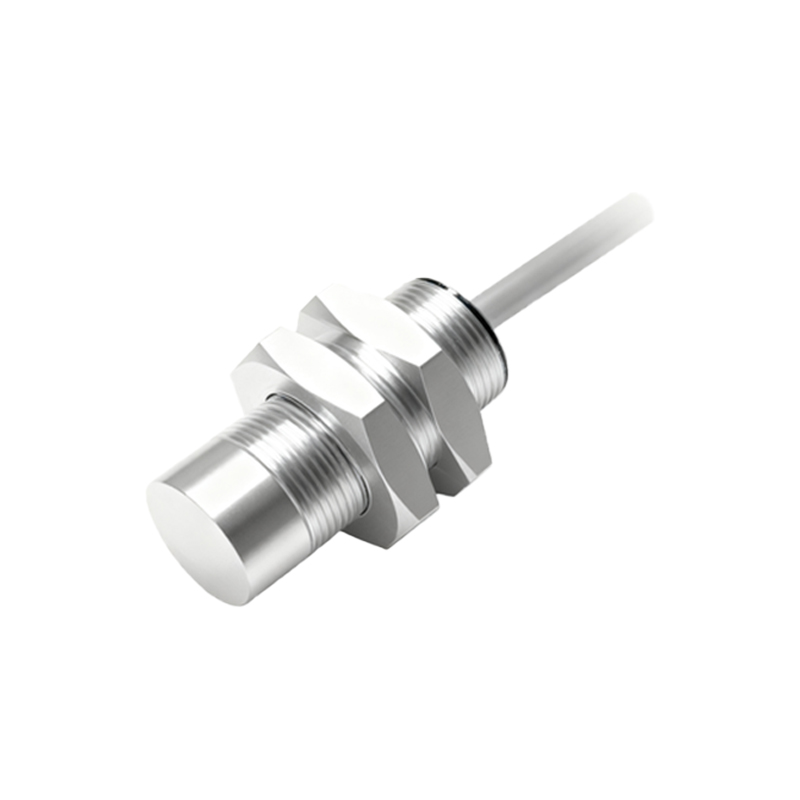
The operating principle offers another insightful lens for classification. This delves into the underlying physical or chemical effect the sensor exploits. Resistive sensors change their electrical resistance in response to a stimulus; examples include potentiometers (position), strain gauges (force), and thermistors (temperature). Capacitive sensors vary their capacitance, commonly used for measuring displacement, pressure, or humidity. Inductive sensors rely on changes in inductance, typically for detecting metallic objects. Piezoelectric sensors generate an electric charge when subjected to mechanical stress, ideal for dynamic force, pressure, or acceleration measurement. Optical sensors utilize light properties, employing principles like absorption, reflection, or refraction. Electrochemical sensors generate electrical signals from chemical reactions, essential for gas detection and pH measurement. MEMS (Micro-Electro-Mechanical Systems) technology has revolutionized sensor design, enabling the miniaturization of complex mechanical and electronic components on a silicon chip, leading to widespread use of MEMS accelerometers, gyroscopes, and pressure sensors in consumer electronics.
Choosing the correct sensor involves careful consideration of several parameters beyond its classification. Key specifications include range (the minimum and maximum measurable values), sensitivity (the ratio of output change to input change), accuracy (closeness to the true value), resolution (smallest detectable change), response time (speed of reaction), and long-term stability. The operating environment—temperature extremes, humidity, chemical exposure, or electromagnetic interference—also dictates the choice of housing and materials.
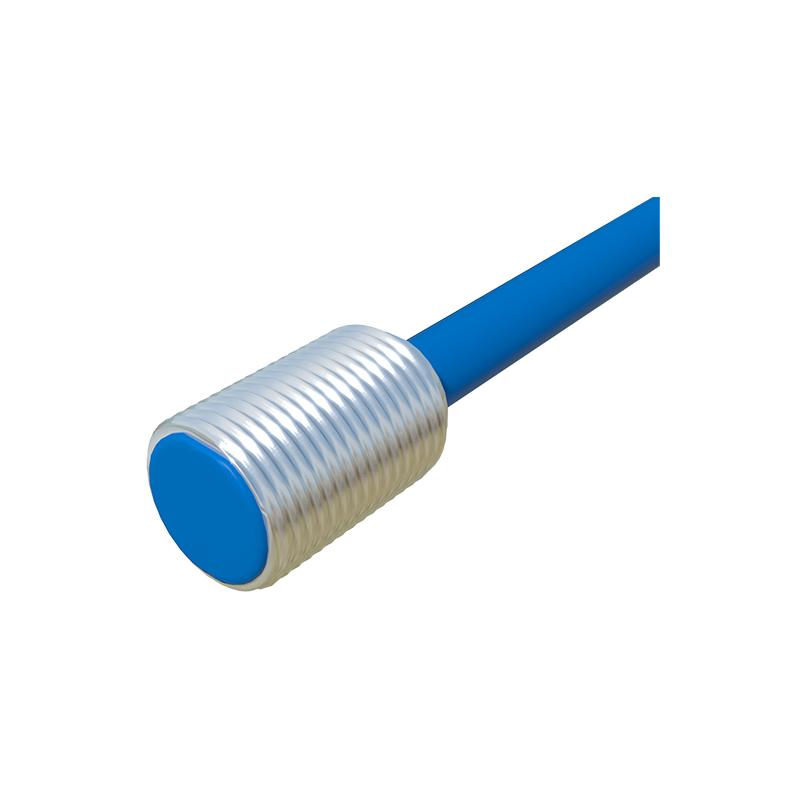
Applications of sensors are virtually limitless. In the automotive industry, dozens of sensors monitor engine performance, enable anti-lock braking systems (ABS), and power advanced driver-assistance systems (ADAS). Industrial automation relies on sensors for process control, robotic guidance, and predictive maintenance. The healthcare sector uses biosensors for diagnostics, wearable sensors for patient monitoring, and imaging sensors. Consumer electronics are packed with sensors for touchscreens, orientation detection, and environmental sensing. The rise of the Internet of Things (IoT) is fundamentally driven by the proliferation of low-cost, connected sensors that gather data from our homes, cities, and infrastructure.
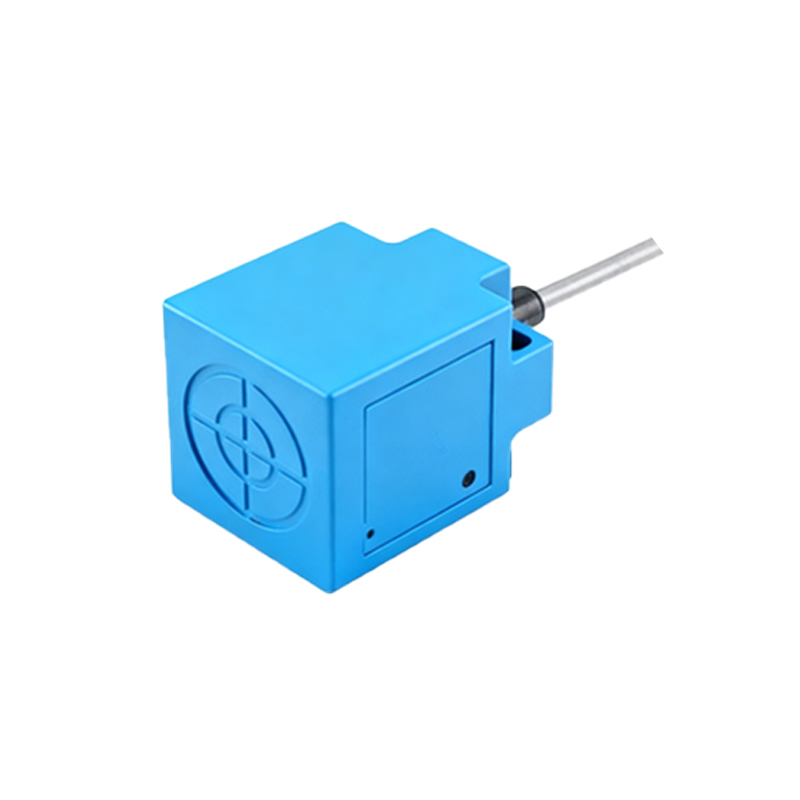
Understanding sensor classification is not merely an academic exercise; it is a practical necessity for effective system design. By categorizing sensors based on measurand, power needs, output signal, and operating principle, one can navigate the vast landscape of available technologies. This structured approach enables the selection of an optimal sensor that meets the precise requirements of accuracy, reliability, cost, and environmental durability for any given application, forming the cornerstone of innovation in our increasingly data-driven and automated world.
SEO