Introduction to High-Frequency Proximity Sensing
High-frequency proximity sensors represent a critical advancement in industrial automation and precision measurement. Operating typically in ranges from 100 kHz to several megahertz, these sensors utilize electromagnetic fields to detect the presence, absence, or position of metallic objects without physical contact. The core principle involves an oscillator circuit generating a high-frequency electromagnetic field from a sensing coil. When a metallic target enters this field, it induces eddy currents, causing a change in the oscillation amplitude or frequency. This change is detected and converted into a switching signal or analog output. The "high-frequency" designation allows for superior performance, including faster response times, higher switching frequencies, and the ability to detect smaller or thinner targets compared to standard inductive sensors. This technology is indispensable in applications demanding extreme speed and precision, such as high-speed assembly lines, robotic guidance, and semiconductor manufacturing.
Key Technological Capabilities and Advantages
The primary advantage of high-frequency models lies in their exceptional responsiveness. With switching frequencies often exceeding 1 kHz, they can reliably detect objects moving at very high speeds, a feat impossible for standard inductive sensors. Furthermore, they exhibit a reduced sensing distance for non-ferrous metals like aluminum or copper compared to steel, but their high frequency allows for a more stable and precise detection point. Another significant capability is their minimal dead zone, enabling detection of targets very close to the sensor face. This is crucial in tightly packed machinery. Modern high-frequency proximity sensors also incorporate robust designs with features like weld-field immunity, which prevents malfunction in environments with strong magnetic interference from welding equipment. Advanced models offer IO-Link communication, enabling digital parameter setting, condition monitoring, and seamless integration into Industry 4.0 frameworks for predictive maintenance and data analytics.
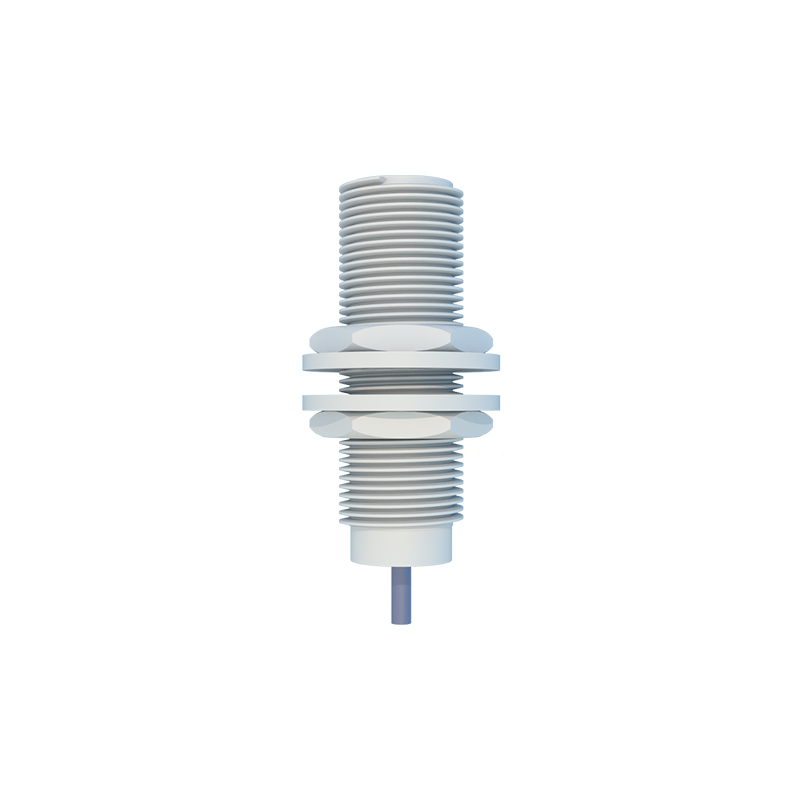
Leading Global Manufacturers and Their Specializations
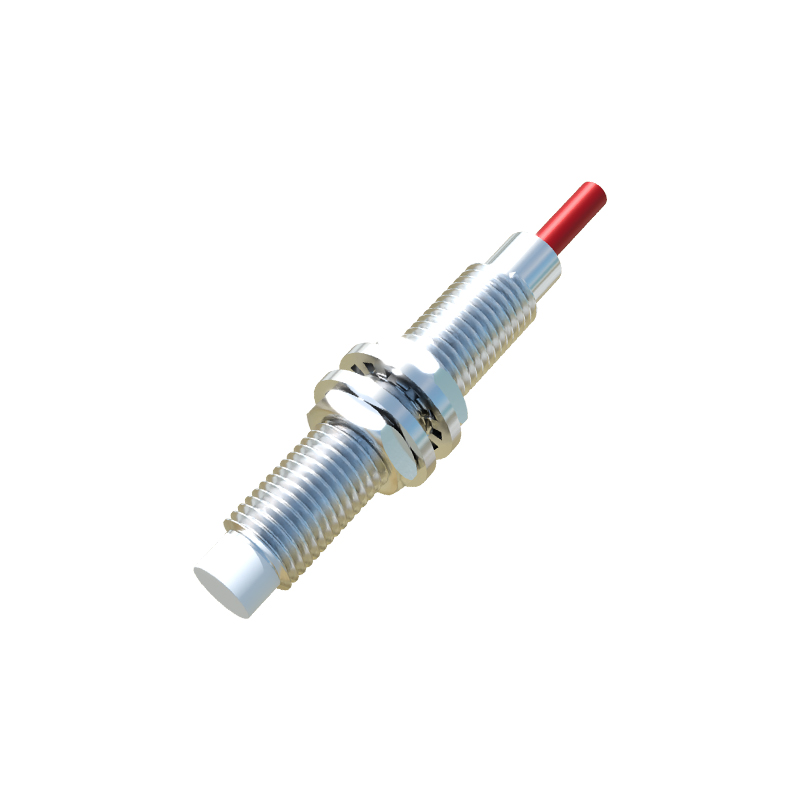
The market for high-frequency proximity sensors is dominated by several established global players, each with distinct specializations. Pepperl+Fuchs, a German pioneer, offers an extensive portfolio, including the innovative Factor 1 series, known for its compact design and high interference immunity, ideal for automotive and packaging industries. Sick AG, another German leader, provides high-frequency sensors renowned for their robustness in harsh environments, such as the IMU series used in material handling and logistics. Omron Corporation from Japan excels in miniaturization and high-speed performance, with its E2E-XHF series being a staple in electronics assembly and semiconductor fabrication. Balluff, based in Germany, focuses on high-precision applications and IO-Link integration, catering to smart factory needs. Turck, also German, is recognized for its rugged, high-temperature resistant sensors suitable for heavy machinery and foundries. These companies invest heavily in R&D to push the limits of switching frequency, size reduction, and smart functionality.
Critical Selection Criteria for Industrial Applications
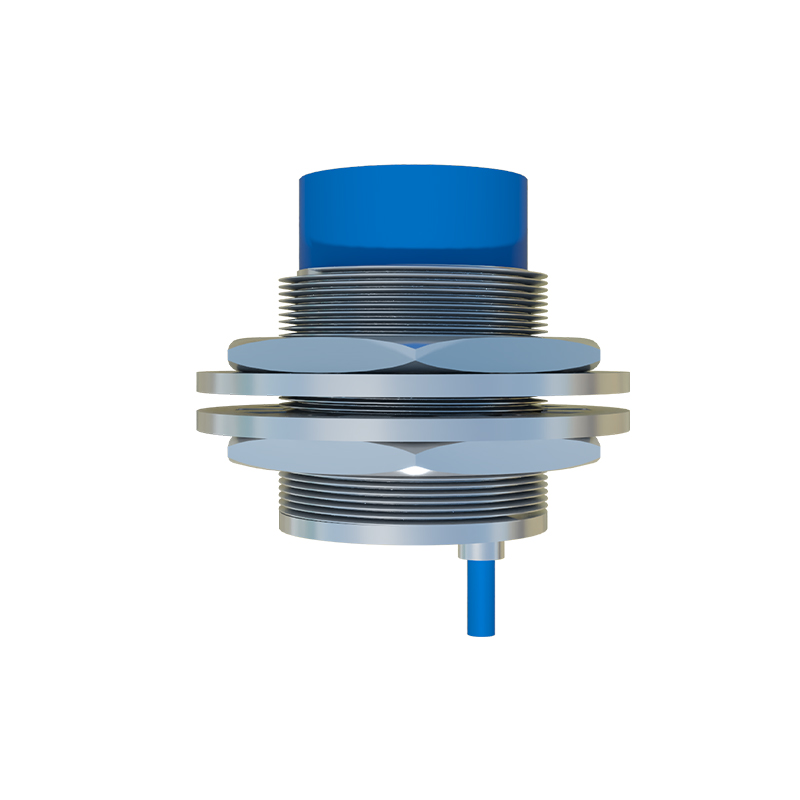
Selecting the appropriate high-frequency proximity sensor requires careful analysis of application parameters. The first criterion is the target material and size. While all detect metals, the sensing distance varies significantly between ferrous and non-ferrous targets; datasheets provide correction factors. The required switching frequency must match or exceed the object's passage speed to avoid missed detections. Environmental conditions are paramount: sensors must have suitable ingress protection (IP) ratings against dust and moisture, temperature ratings for oven or freezer applications, and resistance to chemicals, coolants, or weld spatter. Electrical characteristics like supply voltage (e.g., 10-30 V DC), output type (PNP/NPN, analog), and connection method (pre-wired, connector) must align with the control system. Finally, physical constraints such as housing style (cylindrical, rectangular), size (M5, M8, M12, M18, M30), and mounting (flush or non-flush) dictate mechanical integration.
Emerging Trends and Future Outlook
The future of high-frequency proximity sensing is being shaped by several converging trends. The drive towards miniaturization continues, with sensors like M5 and even M3 packages offering high-frequency performance, enabling their use in increasingly compact machinery and micro-assembly. Enhanced intelligence through IO-Link is becoming standard, transforming sensors from simple switches into data points that provide diagnostic information like operating hours, temperature stress, and signal stability. Material innovation is leading to the development of sensors with exceptional resistance to extreme temperatures, high-pressure washdowns, and aggressive industrial chemicals. Furthermore, integration with RFID and positioning systems is creating hybrid solutions for complex tracking tasks. As industries embrace more agile and data-driven manufacturing, high-frequency proximity sensors will evolve beyond detection to become integral components of cyber-physical systems, offering unparalleled precision