Introduction to P+F Proximity Sensors
Pepperl+Fuchs, a global leader in industrial sensor technology, manufactures a comprehensive range of proximity sensors renowned for their reliability and innovation. These non-contact sensing devices are fundamental components in modern automation, detecting the presence or absence of metallic and non-metallic objects without physical contact. The core principle involves generating an electromagnetic field or beam of light; the presence of a target object within this field causes a change in the sensor's output state. This technology enables precise, wear-free detection critical for tasks like positioning, counting, and end-position control in harsh industrial environments. From inductive sensors for metals to capacitive, ultrasonic, and photoelectric variants, P+F provides tailored solutions for virtually every application challenge.
Core Technology and Working Principles
The performance of P+F proximity sensors stems from advanced and distinct sensing technologies. Inductive sensors, the most common type, generate an oscillating electromagnetic field from a coil. When a metallic object enters this field, eddy currents are induced, damping the oscillation and triggering a switch signal. P+F enhances this with factors like increased switching distances and superior noise immunity. Capacitive sensors operate by detecting changes in capacitance, capable of sensing nearly any material, including liquids and powders, through non-metallic container walls. Photoelectric sensors utilize modulated infrared or visible light, offering long-range detection, while ultrasonic sensors use sound wave echo timing for precise distance measurement and level detection, excelling in environments with dust or steam.
Key Product Families and Features
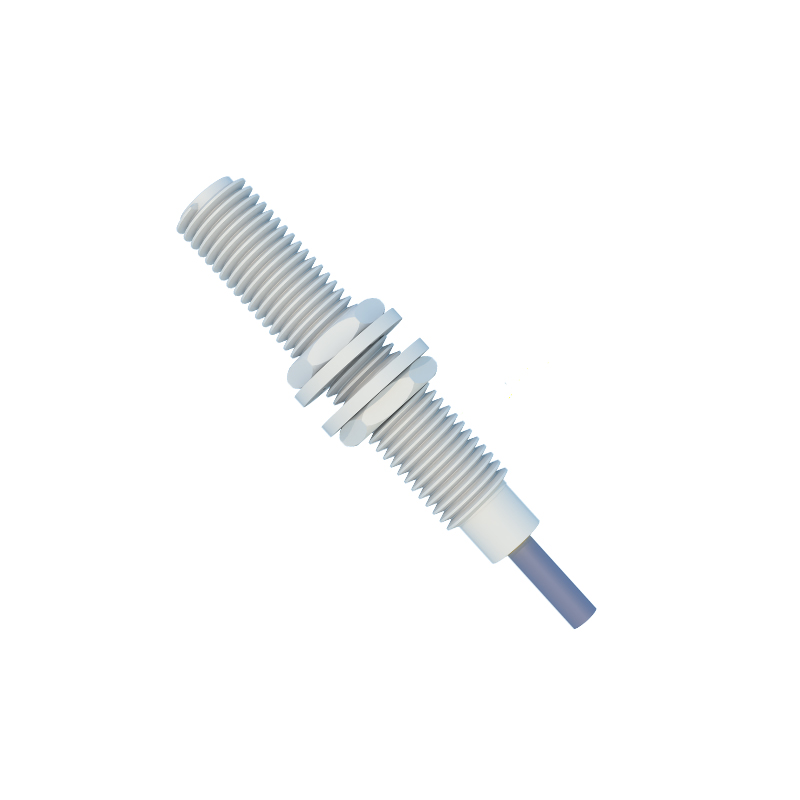
P+F's portfolio is segmented into specialized families to meet diverse requirements. The standard inductive sensor range, such as the NAMUR and cylindrical M series, offers robust housing (often in stainless steel) and high protection ratings (IP67/IP69K) for demanding settings. For advanced functionality, the Factor 1 series provides identical sensing ranges regardless of housing size, simplifying design and replacement. In the capacitive segment, the C series features sensitivity adjustment potentiometers for fine-tuning. The photoelectric sensor lineup, including the robust V18 and miniature V1 models, incorporates patented teach-in functions and powerful laser variants. A standout innovation is the IO-Link sensor series, which transforms simple switching devices into intelligent data points, enabling parameter setting, process monitoring, and predictive maintenance via digital communication.
Critical Selection Criteria for Applications
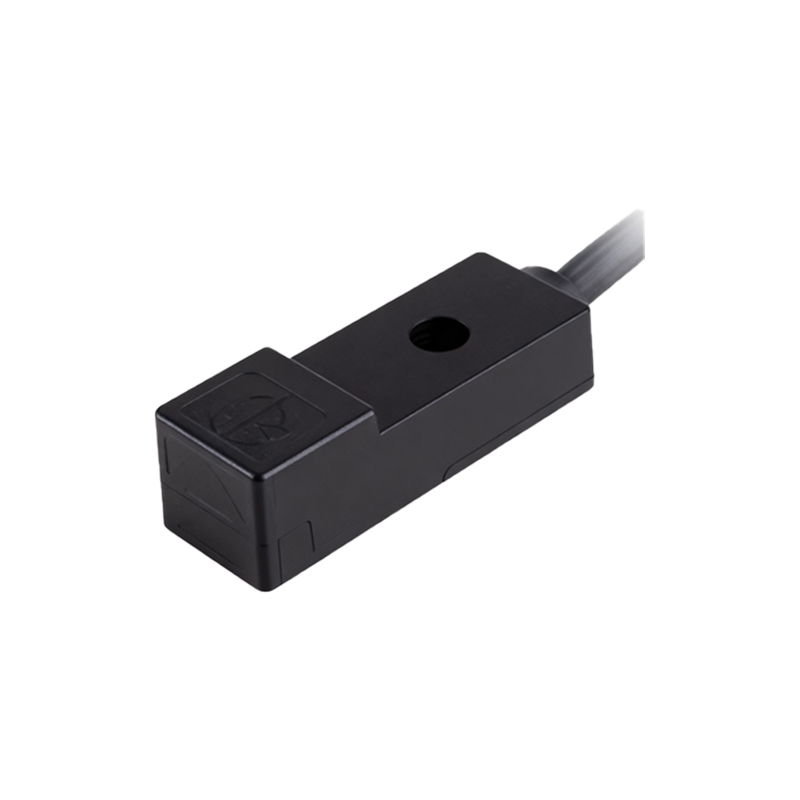
Selecting the optimal P+F sensor requires a systematic evaluation of application parameters. First, identify the target material—inductive for metals, capacitive for non-metals, photoelectric for general presence, and ultrasonic for complex surfaces or transparent materials. The required sensing distance, or switching distance, must be considered with a safety margin, accounting for temperature fluctuations and manufacturing tolerances. Environmental conditions are paramount: factors like washdown pressures (necessitating IP69K), extreme temperatures, chemical exposure, and intense electromagnetic interference dictate the required housing material, sealing, and shielding. Output configuration (PNP/NPN/NAMUR/analog/IO-Link), electrical connection style (cable or connector), and mounting constraints (flush, non-flush, or specialized geometry) complete the critical selection matrix.
Installation, Wiring, and Best Practices
Correct installation is crucial for reliable sensor operation. For inductive sensors, ensure the correct mounting style (flush or non-flush) relative to the surrounding metal to achieve the rated switching distance. Maintain adequate clearance between multiple sensors to prevent mutual interference. Wiring must adhere to the specified circuit diagram: typically, brown wire to DC+, blue wire to DC-, and black (or white) wire as the switching output. For AC models or NAMUR sensors for hazardous areas, follow the specific guidelines. Always use shielded cables in electrically noisy environments and ground the shield properly at the controller end. Implement mechanical protection like brackets if sensors are exposed to potential impact. Regular functional testing and cleaning of the sensing face from debris, ice, or coating buildup are essential maintenance practices.
Advanced Diagnostics and IO-Link Integration
Modern P+F sensors, especially those with IO-Link capability, transcend basic switching functions. IO-Link, a point-to-point serial communication protocol, allows for bidirectional data exchange. Users can remotely read real-time parameters like operating distance, signal strength, temperature, and switch cycle counts. Configuration can be changed on-the-fly via the controller, drastically reducing downtime during product changeovers. Diagnostic data, such as overload warnings, short-circuit events, or stability indicators, enable condition monitoring and facilitate predictive maintenance strategies. This integration transforms the sensor into a smart component within Industry 4.0 and IIoT frameworks, providing valuable data for optimizing entire production processes and improving overall equipment effectiveness (OEE).