Introduction to the PL-05N Sensor
The PL-05N is a robust, square-shaped inductive proximity switch designed for demanding industrial environments. Its compact, square housing allows for efficient mounting in space-constrained applications, offering a reliable non-contact detection solution for metallic objects. Engineered with high-grade materials, the sensor provides exceptional resistance to environmental factors such as dust, moisture, and mechanical shock, ensuring consistent performance in automation systems, packaging machinery, and material handling equipment. The standard sensing range and NPN normally-open output configuration make it a versatile component in control circuits worldwide.
Key Technical Specifications
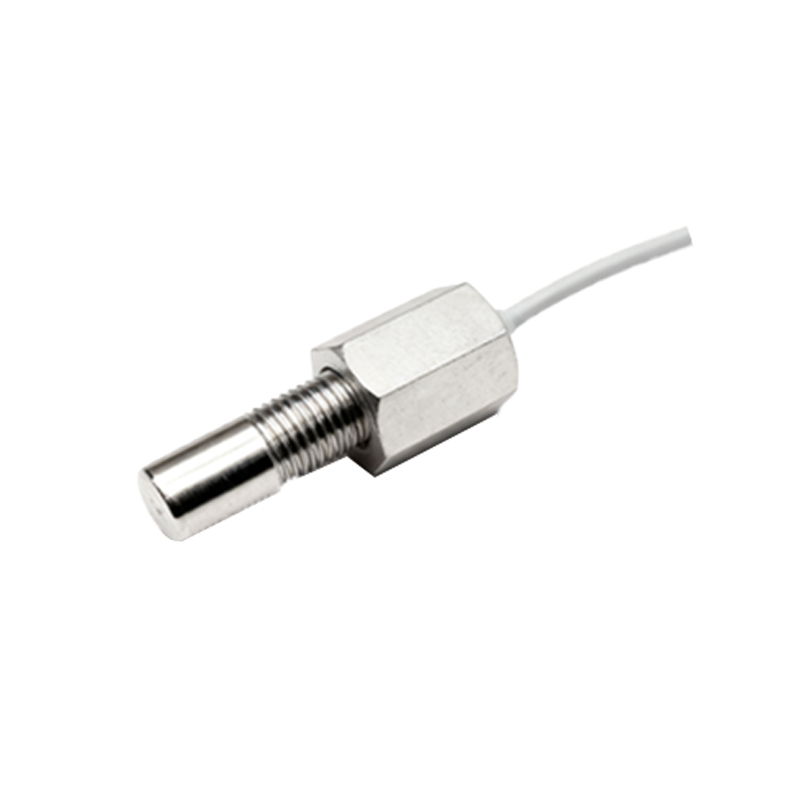
Operating on a DC supply voltage typically ranging from 10 to 30 VDC, the PL-05N delivers stable detection of ferrous metals within its specified range. The sensor features a short-circuit and reverse polarity protection circuit, safeguarding both the device and the connected control system from wiring errors or electrical faults. Its switching frequency allows for high-speed object detection, suitable for fast-paced production lines. The housing is rated IP67, indicating complete protection against dust ingress and temporary immersion in water, which is critical for washdown areas or outdoor installations.
Installation and Wiring Guidelines
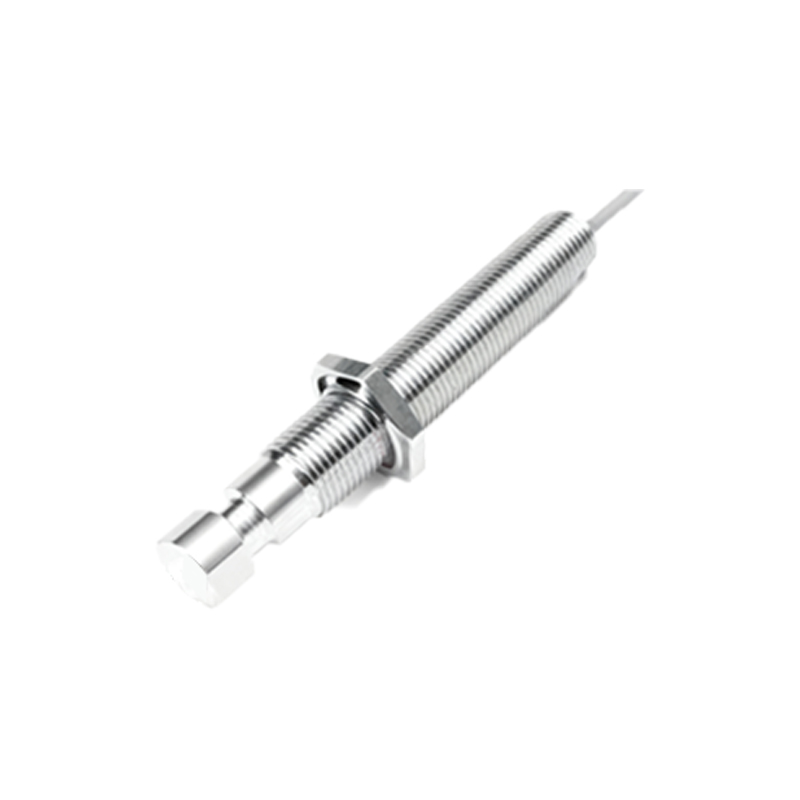
Proper installation is crucial for optimal performance. The square form factor facilitates easy mounting using standard brackets or directly onto a flat surface. It is essential to maintain the recommended clearance around the active sensing face to avoid interference from surrounding metal structures, known as the "flush-mountable" advantage common to square designs. Wiring follows the international color code: brown wire for positive supply, blue wire for negative/common, and black wire for the output signal. Always refer to the manufacturer's datasheet for precise dimensional drawings and connection diagrams before integration.
Application Scenarios in Industry
In automotive manufacturing, the PL-05N is frequently used for part presence verification on conveyor systems or robotic arm end-effector positioning. Within the food and beverage sector, its sealed construction allows for detection tasks in hygienic zones, such as monitoring bottle caps or packaging foil. Another common use is in palletizing systems, where it detects the position of wooden or metal pallets without physical contact, reducing wear and maintenance. Its reliability also makes it suitable for safety interlocks on machine guards and doors.
Maintenance and Troubleshooting Tips
Routine maintenance involves periodic cleaning of the sensor face to remove debris, oil, or metal chips that could attenuate the sensing field. Verify the supply voltage with a multimeter if the sensor fails to operate. A common issue is false triggering, often caused by vibration or nearby electromagnetic interference; ensuring secure mounting and proper shielding usually resolves this. If the output remains inactive, check the load connected and confirm the target material and size are within the sensor's specifications. Always power down the system before performing any electrical checks.
Advantages Over Alternative Sensor Types
Compared to cylindrical proximity sensors, the square design of the PL-05N provides a larger labeling area for identification and often offers more robust mounting options resistant to twisting. Versus photoelectric sensors, inductive types like the PL-05N are immune to ambient light interference and perform reliably in dirty, dusty conditions where optical lenses might become obscured. While capacitive sensors can detect non-metals, the PL-05N's inductive principle ensures high stability and repeatability specifically for metal targets, with minimal drift over time and temperature changes.
Conclusion and Selection Considerations
Selecting the PL-05N square proximity sensor depends on factors such as the target material, required sensing distance, environmental conditions, and electrical interface compatibility with the existing PLC or controller. Its durability, standardized output, and form factor make it a preferred choice for OEMs and system integrators. For applications involving non-ferrous metals, verify the reduction factor specified in the technical data. Ultimately, the PL-05N represents a cost-effective, reliable workhorse in industrial automation, contributing to enhanced productivity and machine safety.