Proximity switch sensors have become indispensable in modern textile manufacturing, offering non-contact detection and control that enhances efficiency, safety, and precision. These sensors, designed to detect the presence or absence of textile materials without physical contact, operate on various principles such as inductive, capacitive, and optical technologies. Each type is tailored to specific fabric properties and production environments, ensuring reliable performance across diverse applications.
In textile machinery, proximity sensors play a critical role in monitoring fabric feed, tension, and alignment. For instance, inductive sensors are ideal for detecting metallic components like needles or looms, while capacitive sensors excel at sensing non-metallic materials such as cotton, polyester, or blended fabrics. Optical sensors, including infrared and laser variants, provide high accuracy for detecting thin or transparent textiles, enabling real-time adjustments in weaving, knitting, and finishing processes. The non-contact nature of these sensors minimizes wear and tear on both the sensor and the fabric, reducing maintenance costs and downtime.
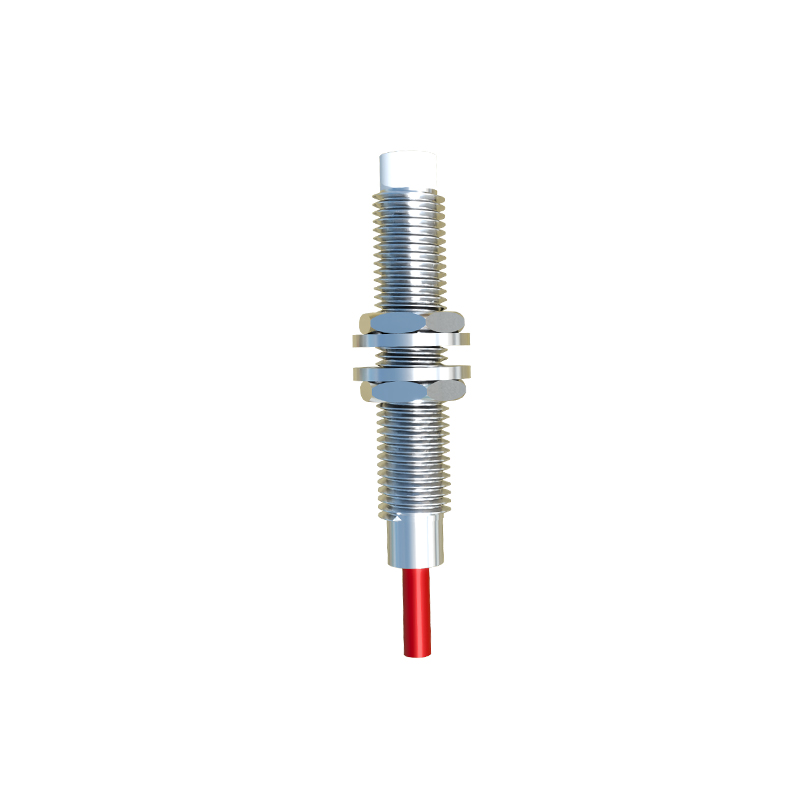
The integration of proximity sensors into automated textile systems has revolutionized quality control. By continuously monitoring fabric position and movement, these sensors help prevent defects like misalignment, wrinkles, or breaks. In spinning mills, sensors ensure consistent yarn tension, while in dyeing and printing units, they maintain precise fabric positioning for uniform color application. Advanced sensors with programmable logic controller (PLC) compatibility allow for seamless automation, enabling machines to adjust parameters dynamically based on sensor feedback. This leads to higher production speeds, reduced material waste, and improved product consistency.
Durability and environmental adaptability are key considerations in textile settings. Proximity sensors used in this industry are often built to withstand harsh conditions, including exposure to dust, moisture, chemicals, and temperature fluctuations. Enclosures rated for IP67 or higher protect sensors from lint accumulation and liquid splashes, common in textile plants. Additionally, sensors with anti-interference features ensure stable operation amid electromagnetic noise from heavy machinery. These robust designs contribute to long service life and reliable detection, even in high-speed production lines.
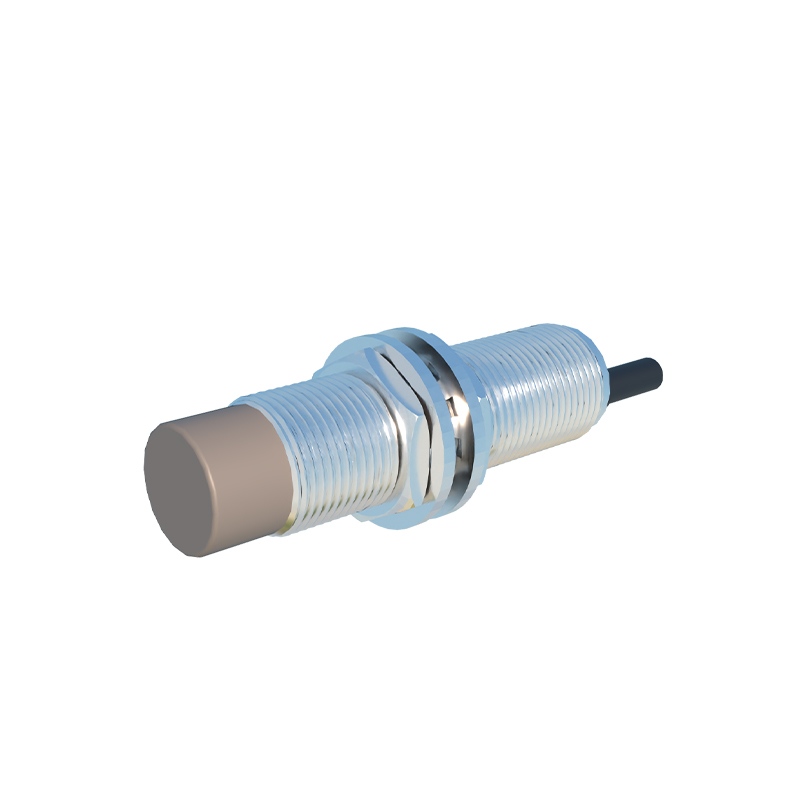
Energy efficiency is another advantage of modern proximity sensors. Low-power models reduce overall energy consumption in textile factories, aligning with sustainable manufacturing goals. Some sensors incorporate smart features like self-diagnostics or IO-Link communication, providing predictive maintenance alerts and simplifying integration with Industry 4.0 networks. This connectivity enables data collection for analytics, optimizing production workflows and supporting just-in-time inventory management.
Selecting the right proximity sensor for textile applications depends on factors like fabric type, detection range, response time, and installation constraints. For example, capacitive sensors with adjustable sensitivity are suitable for varying fabric thicknesses, while inductive sensors with extended ranges detect metal elements from a distance. Mounting options, such as flush or non-flush designs, allow flexibility in tight spaces typical of textile machinery. Regular calibration and testing ensure sensors maintain accuracy over time, preventing false triggers or missed detections that could disrupt production.
In summary, proximity switch sensors are vital components in the textile industry, driving automation and quality improvement. Their ability to operate without contact, coupled with ruggedness and precision, makes them essential for modern manufacturing. As textile technology evolves, sensors with enhanced capabilities will continue to support innovations in smart fabrics and efficient production, reinforcing their role in a competitive global market.