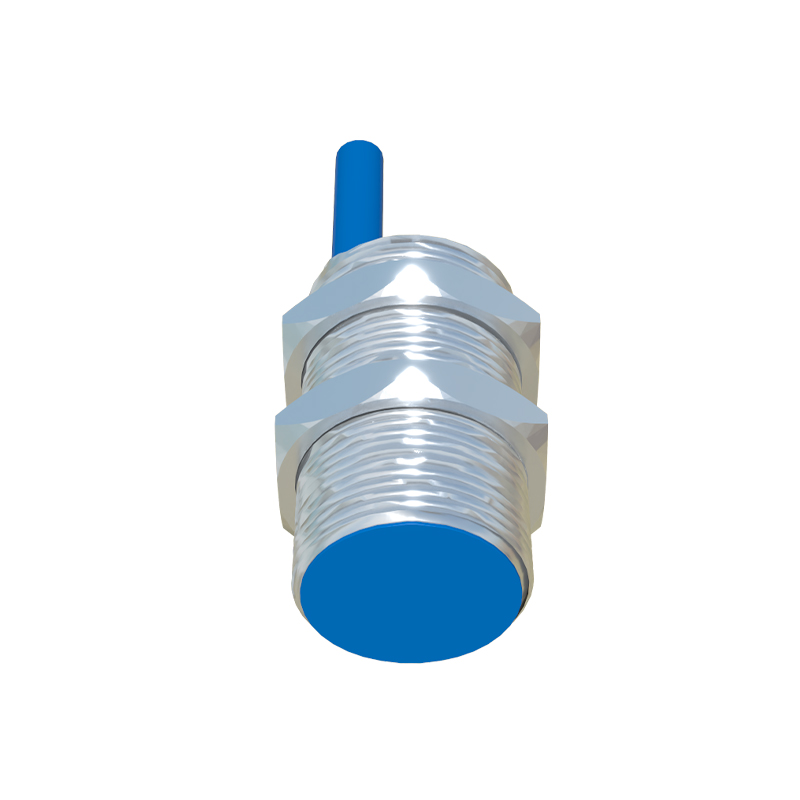
In the realm of industrial automation, proximity sensors are indispensable components, silently and reliably detecting the presence or absence of objects without physical contact. As non-contact devices, primarily inductive, capacitive, or photoelectric, they are the linchpins of countless processes, from assembly line positioning and robotic guidance to safety interlocks and object counting. However, even these robust workhorses are not immune to failure. Frequent or persistent abnormalities in proximity switch sensors can lead to costly downtime, production errors, and safety hazards. Understanding the root causes of these malfunctions is the first critical step toward ensuring system reliability.
A primary and often overlooked culprit is environmental interference. Proximity sensors, particularly inductive types, operate by generating an electromagnetic field. The presence of strong external magnetic fields from nearby motors, transformers, or welding equipment can distort this field, causing false triggering or failure to detect. Similarly, capacitive sensors can be erroneously activated by environmental factors like excessive dust, humidity, or condensation altering the dielectric constant in their sensing area. For photoelectric sensors, ambient light interference—such as direct sunlight or strobe lights—can overwhelm the receiver, leading to unreliable operation. Physical contamination is another major adversary. Metallic chips, grease, dust, or other debris can accumulate on the active face of an inductive sensor, effectively shielding the target and reducing the effective sensing distance. For photoelectric sensors, a layer of grime on the lens can attenuate the light beam, causing intermittent faults.
Electrical issues constitute a significant portion of sensor failures. Voltage fluctuations outside the sensor's specified operating range can cause erratic behavior or permanent damage. Surges from lightning or inductive load switching are particularly destructive. Incorrect wiring is a common installation error; reversing polarity, mixing up NPN and PNP output types with the controller's input card, or poor grounding can all prevent proper operation. Furthermore, electrical noise conducted along power lines or induced in signal cables can manifest as ghost signals. Inadequate shielding of cables running parallel to high-power lines is a frequent source of such noise-related anomalies.
Mechanical factors also play a critical role. Excessive vibration can loosen sensor mountings, altering the critical gap between the sensor and its target. Over time, vibration may also cause internal component fatigue. Physical impact or collision, common in harsh industrial environments, can crack housings, damage sensing faces, or misalign photoelectric beams. Another subtle issue is sensor wear. While non-contact, the sensing face can degrade. For instance, certain materials or coatings on targets can gradually transfer to the sensor face, or the constant exposure to harsh chemicals can erode the housing material.
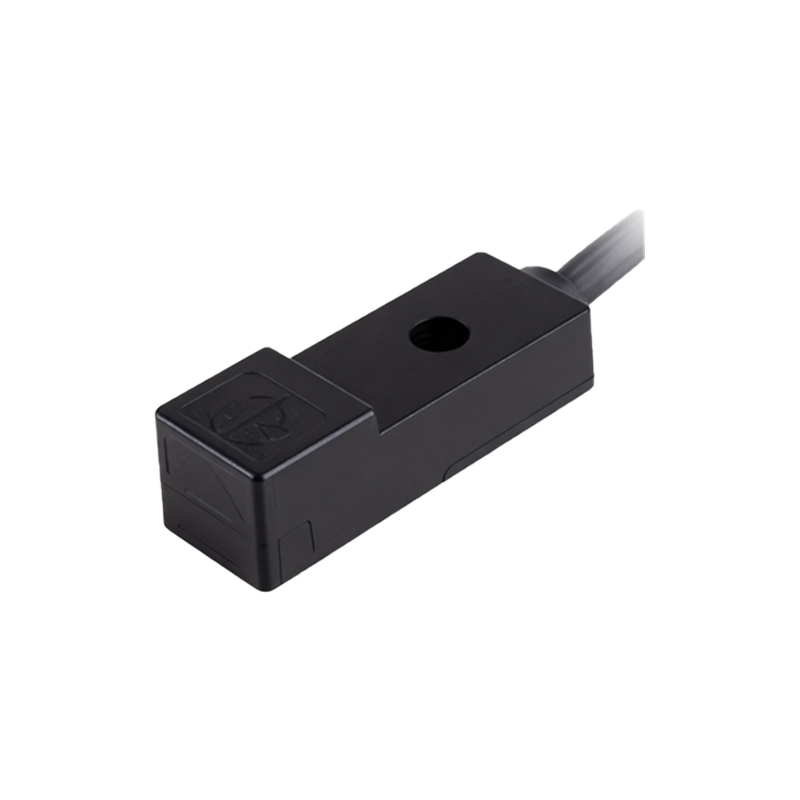
Finally, the problem may lie not with the sensor itself, but with the application parameters. Selecting the wrong sensor type for the material is a fundamental error. An inductive sensor will not detect non-metallic objects, and a standard capacitive sensor might struggle with very low-density materials. Incorrect installation, such as mounting a sensor too far from its target or failing to account for the reduction factor for different metals (like aluminum or stainless steel versus mild steel), leads to unreliable sensing. Sensor overloading is another concern. Consistently operating at the absolute limit of its sensing range or switching frequency can push the component beyond its design specifications, leading to premature failure.
Addressing these abnormalities requires a systematic approach. Begin with a thorough visual inspection for contamination, physical damage, and secure mounting. Verify electrical connections, supply voltage stability, and proper grounding. Utilize diagnostic tools like oscilloscopes to check for noise on the signal line. Review the sensor's datasheet to confirm it is suited for the target material, required sensing distance, and environmental conditions (IP rating, temperature range). Implementing preventive measures is key: installing surge protection devices, using shielded and properly routed cables, employing mounting brackets to dampen vibration, and establishing regular cleaning schedules based on the operating environment. When replacing a sensor, always ensure the new unit matches the electrical specifications (voltage, output type, current rating) and physical form factor of the original.
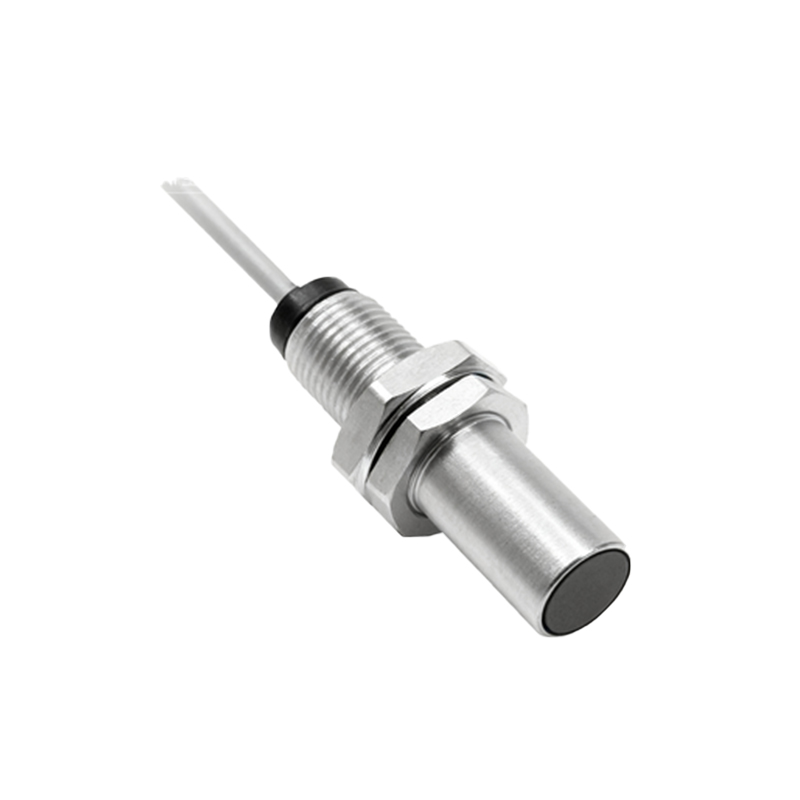
In conclusion, proximity sensor malfunctions are rarely random. They are typically symptoms of identifiable issues related to environment, electrical supply, mechanical stress, or improper selection and installation. By adopting a disciplined troubleshooting methodology and prioritizing preventive maintenance, engineers and technicians can significantly enhance the uptime and reliability of automated systems, ensuring these critical sensors perform their silent duties without interruption.