Proximity sensors have become integral components in modern electronic systems, enabling devices to detect the presence or absence of objects within a specified range. Implementing code for these sensors requires understanding their operating principles, communication protocols, and environmental considerations. This guide provides practical insights into writing efficient proximity sensor code while avoiding common pitfalls.
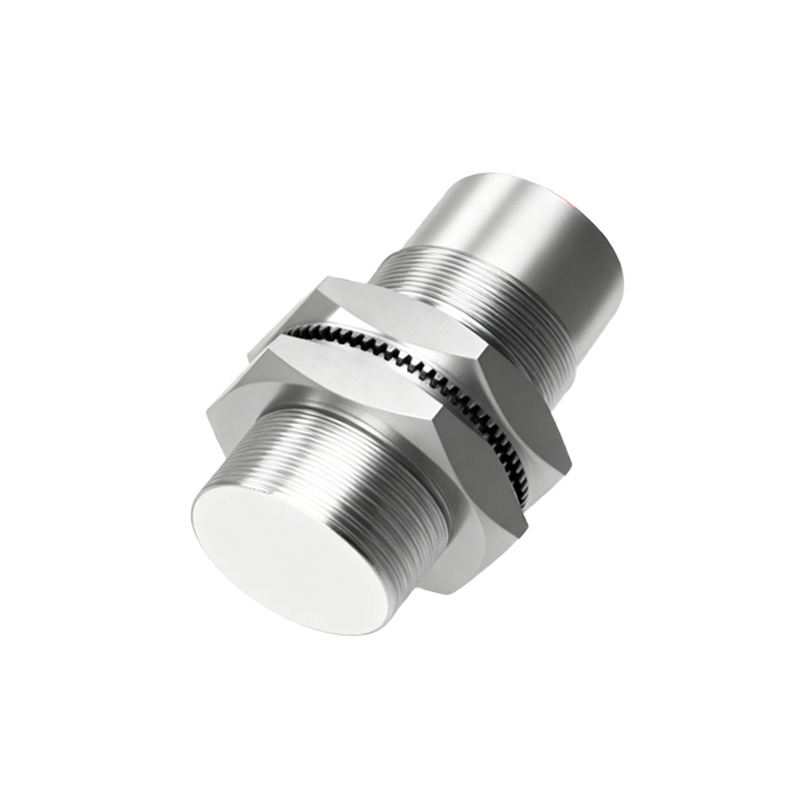
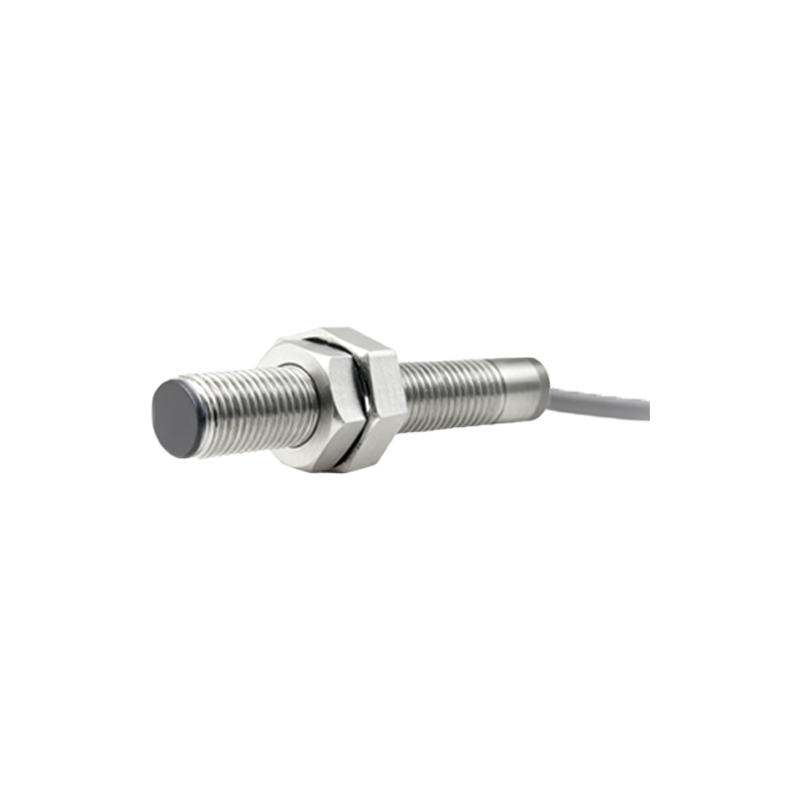
Most proximity sensors operate using infrared (IR), ultrasonic, or capacitive technologies. IR sensors emit infrared light and measure its reflection, while ultrasonic sensors use sound waves. Capacitive sensors detect changes in capacitance caused by nearby objects. Each type requires specific code approaches. For instance, IR sensors often need calibration to account for ambient light interference, whereas ultrasonic sensors require precise timing calculations for distance measurement.
When writing code for I2C or SPI-based proximity sensors, start by initializing the communication protocol. Ensure proper clock speed configuration and pull-up resistors where necessary. Many sensors provide ready-made libraries for popular platforms like Arduino or Raspberry Pi, but understanding the underlying registers enhances customization. For analog sensors, implement averaging filters to smooth noisy readings and set appropriate threshold values for object detection.
A critical aspect is implementing interrupt-driven code instead of continuous polling. This approach reduces power consumption and frees up processor resources for other tasks. Configure the sensor's interrupt pin to trigger when an object enters or leaves the detection zone. Always include debouncing logic to prevent false triggers from transient movements.
Calibration routines should be incorporated during system initialization. Allow the sensor to sample its environment for a few seconds to establish baseline readings. Store these values in non-volatile memory when possible. For distance-measuring sensors, create lookup tables or implement linearization algorithms to convert raw readings into accurate distance measurements.
Consider environmental factors in your code. Temperature compensation algorithms improve consistency for ultrasonic sensors, while automatic gain adjustment maintains IR sensor performance across varying reflectance surfaces. Implement timeout mechanisms to handle situations where objects remain stationary within the detection field for extended periods.
Error handling is often overlooked but essential. Include checks for sensor connectivity, out-of-range values, and hardware malfunctions. When anomalies are detected, implement fallback behaviors such as using last-known-good values or entering safe mode. For wireless systems, add packet verification and retransmission protocols.
Optimize code for real-time performance by minimizing blocking operations. Use hardware timers for precise measurement intervals and DMA (Direct Memory Access) for data transfer when available. Profile your code to identify bottlenecks, particularly in filtering algorithms that might cause latency in fast-moving object detection.
Document your code thoroughly, especially regarding sensor-specific parameters like minimum detection distance, response time, and power requirements. Include configuration examples for different use cases—from simple object detection to complex gesture recognition systems. Provide commented code snippets showing initialization, reading, and interrupt handling routines.
Testing should simulate real-world conditions. Create test cases for edge scenarios such as highly reflective surfaces, rapid object movement, and simultaneous multiple objects. Use oscilloscopes or logic analyzers to verify timing accuracy in ultrasonic sensor code. For consumer devices, test across diverse environmental conditions including bright sunlight, complete darkness, and varying humidity levels.
Finally, consider power management strategies. Implement sleep modes that wake the sensor at appropriate intervals based on application needs. Adjust sampling rates dynamically—higher rates for active detection periods and lower rates during idle times. For battery-powered devices, these optimizations significantly extend operational life.
By following these structured approaches, developers can create robust proximity sensor implementations that deliver reliable performance across various applications, from automated industrial systems to interactive consumer electronics. Remember that successful integration depends equally on thoughtful hardware design and meticulous code implementation.