In the rapidly evolving automotive industry, the demand for reliable, durable, and cost-effective sensing solutions has never been higher. Among the various sensor technologies employed, mechanical proximity sensors hold a significant place, particularly in applications where simplicity and robustness are paramount. These sensors, often overlooked in discussions dominated by their electronic counterparts, play a crucial role in ensuring vehicle safety, functionality, and operational efficiency.
Mechanical proximity sensors, at their core, are devices that detect the presence or absence of a physical object through direct mechanical contact or a very close range mechanical interaction, typically without the need for external power for basic operation. They function based on physical principles such as lever actuation, plunger movement, or diaphragm displacement. When a target object comes into contact with the sensor's actuator—like a lever or a push-button—it triggers an internal mechanical change. This change often directly operates a switch, opening or closing an electrical circuit. The primary output is a simple binary signal: on or off, presence or absence.
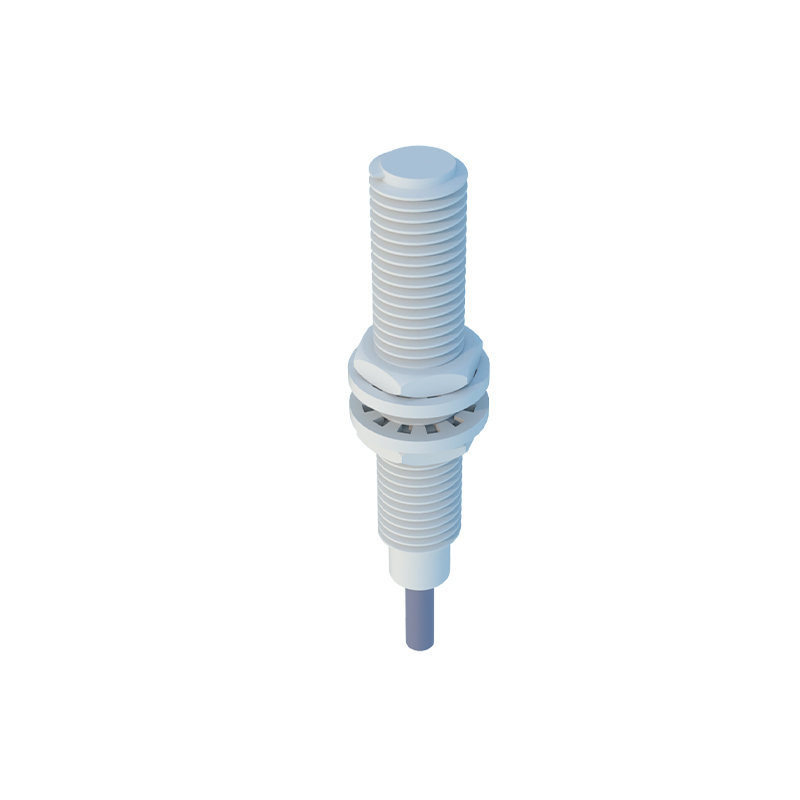
The automotive environment is harsh, characterized by extreme temperatures, vibration, moisture, dust, and exposure to various fluids. This is where mechanical sensors excel. Their design, often featuring sealed housings, robust metal or high-strength polymer components, and simple internal mechanisms, makes them inherently resistant to such conditions. They do not rely on delicate electronic components that can be susceptible to electromagnetic interference (EMI) or require stable power supplies in their most basic form. For instance, a mechanical limit switch used to detect whether a vehicle's hood or trunk is fully closed can operate reliably for years with minimal maintenance, providing a straightforward signal to the vehicle's body control module.
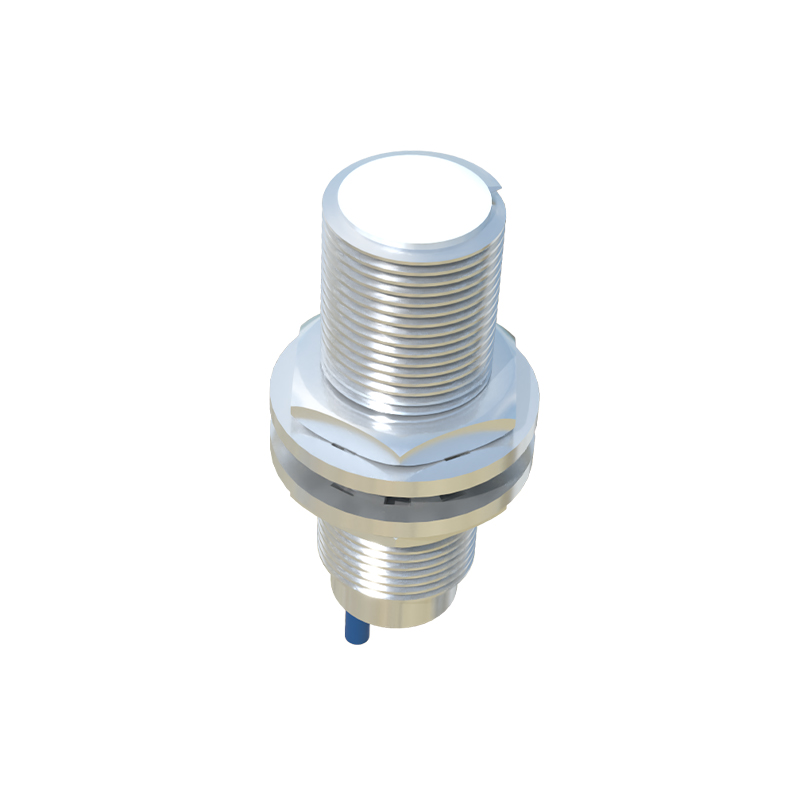
Common applications within vehicles are numerous. One critical area is in safety systems. Mechanical sensors are integral to seat belt buckle detection. A simple plunger-style switch inside the buckle assembly is depressed when the latch tongue is inserted, completing a circuit and informing the airbag system that the occupant is belted. Similarly, door ajar switches, often mechanical in nature, inform the driver via dashboard lights if a door is not properly closed. In braking systems, mechanical sensors can be used as wear indicators for brake pads. A small metal tab contacts the brake rotor when the pad material wears down to a critical level, producing an audible screech—a purely mechanical alert to the driver.
Beyond passenger cars, mechanical proximity sensors are vital in commercial and heavy-duty vehicles. They monitor the position of hydraulic cylinders in dump trucks, detect the engagement of power take-off (PTO) units, or serve as limit switches for lifting gates and tailgates. Their ability to handle high-current switching directly, without requiring an intermediary relay in some designs, simplifies electrical systems.
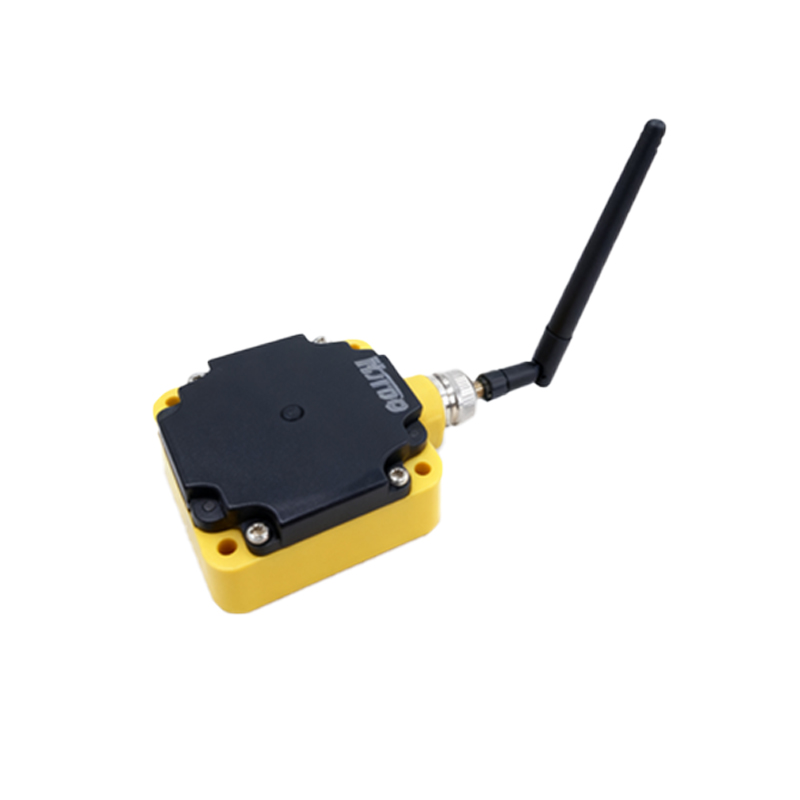
However, it is essential to acknowledge their limitations compared to modern solid-state sensors. They are generally slower in response time due to mechanical movement inertia. They are subject to mechanical wear and fatigue over millions of cycles, which can eventually lead to failure. They also provide less data richness; a Hall effect or inductive proximity sensor can offer information on distance or speed, while a mechanical switch typically offers only a state change.
The design and selection process for these sensors in automotive engineering involve careful consideration. Engineers must evaluate the required actuation force, over-travel tolerance, electrical rating (voltage and current), environmental protection rating (IP code), expected lifecycle, and mounting configuration. Materials are chosen for corrosion resistance and durability—stainless steel for critical components and housings is common.
In conclusion, while the trend in automotive sensing is undoubtedly towards smarter, more connected electronic and optical sensors, mechanical proximity sensors remain an indispensable workhorse. Their unparalleled reliability in tough conditions, straightforward integration, and cost-effectiveness ensure their continued relevance. They form the foundational layer of vehicle sensing, performing essential binary detection tasks that underpin both basic conveniences and critical safety functions. A thorough understanding of their operating principles, applications, and limitations is crucial for any automotive engineer designing robust and dependable vehicle systems. Their role is a testament to the enduring value of elegantly simple mechanical solutions in an increasingly digital automotive world.