In the realm of industrial automation and sensing technology, proximity switches and fiber optic sensors are both pivotal components, yet they operate on fundamentally different principles. A common point of confusion arises when professionals inquire whether proximity switches fall under the category of fiber optic sensors. To clarify, proximity switches are not inherently fiber optic sensors, though certain specialized variants may incorporate fiber optic elements for enhanced functionality. This article delves into the distinctions, applications, and technical nuances to provide a comprehensive understanding.
Proximity switches, also known as proximity sensors, are devices designed to detect the presence or absence of an object without physical contact. They typically rely on electromagnetic fields, capacitive changes, or inductive principles to sense metallic or non-metallic targets. Common types include inductive proximity switches (for metallic objects), capacitive proximity switches (for materials like plastics or liquids), and ultrasonic proximity switches (using sound waves). These sensors are valued for their durability, reliability, and ability to operate in harsh environments, such as manufacturing lines, automotive assembly, and machinery safety systems.
In contrast, fiber optic sensors utilize light transmission through optical fibers to detect changes in intensity, phase, or wavelength caused by external factors like proximity, pressure, or temperature. They consist of a light source, an optical fiber cable, and a photodetector. When an object interrupts or reflects the light beam within the fiber, the sensor triggers a response. Fiber optic sensors excel in applications requiring high precision, immunity to electromagnetic interference, and operation in extreme conditions, such as in chemical plants, medical devices, or telecommunications.
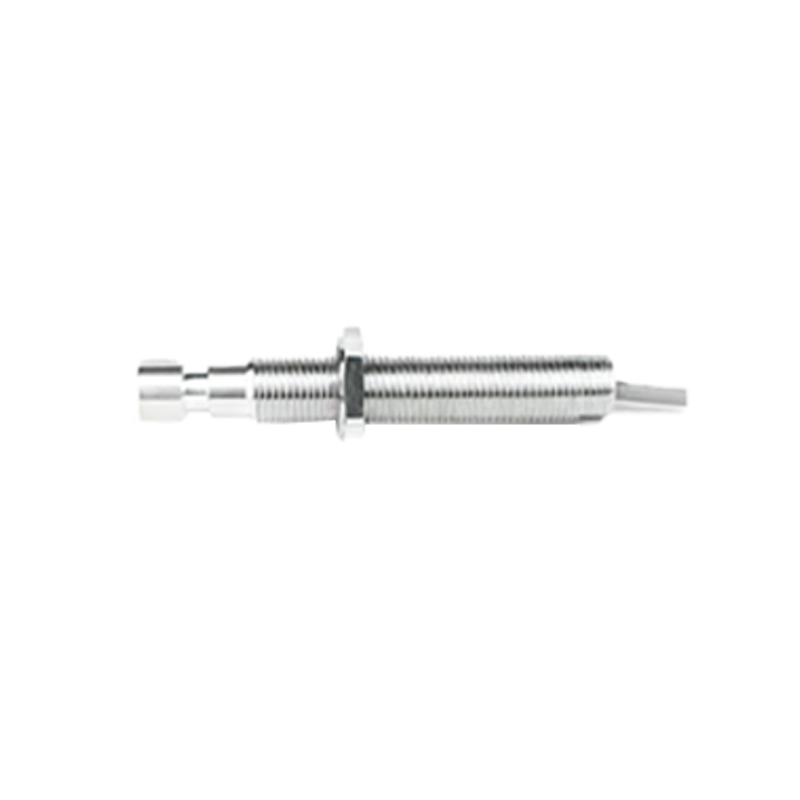
The confusion between proximity switches and fiber optic sensors often stems from hybrid designs. For instance, some proximity switches integrate fiber optic cables as a sensing medium, particularly in environments where traditional electronic sensors might fail due to corrosion, high temperatures, or explosive atmospheres. In these cases, the proximity switch leverages fiber optics to transmit light to and from the target area, but the core detection mechanism remains based on proximity principles rather than pure fiber optic sensing. Thus, while not all proximity switches are fiber optic sensors, a subset can be classified as fiber-optic-enhanced proximity devices.
Key differences lie in their operational mechanisms and typical use cases. Proximity switches generally offer simpler installation and lower cost for basic detection tasks, whereas fiber optic sensors provide superior sensitivity and flexibility for complex measurements. For example, in a packaging machine, an inductive proximity switch might detect metal cans, while a fiber optic sensor could verify label placement with pinpoint accuracy. Industry standards, such as those from the International Electrotechnical Commission (IEC) or the National Electrical Manufacturers Association (NEMA), further delineate these categories based on technical specifications.
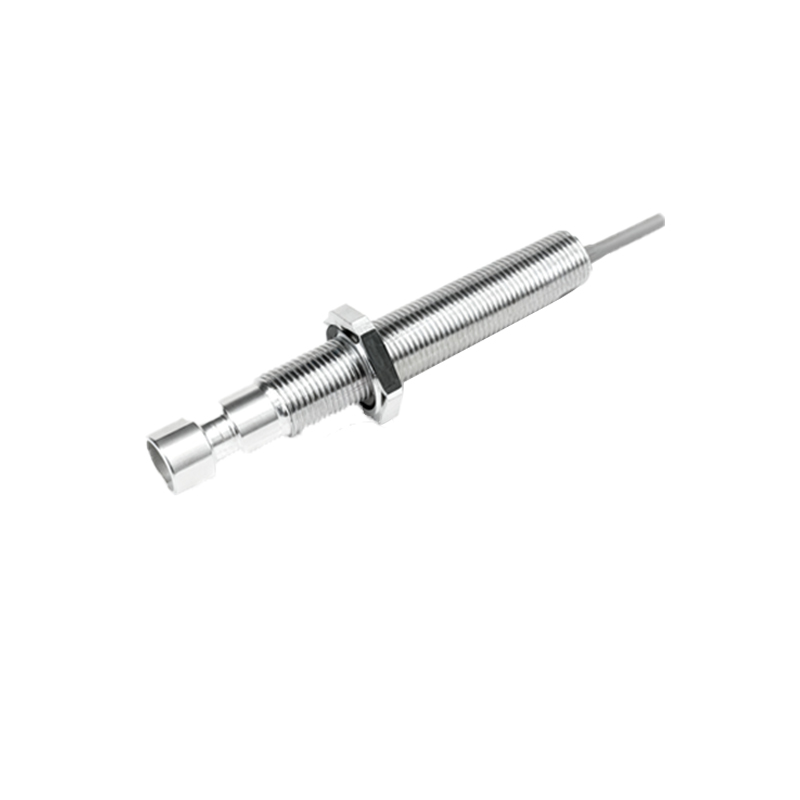
In summary, proximity switches are not synonymous with fiber optic sensors. They represent distinct technologies with overlapping applications in automation. Understanding their differences enables engineers to select the right sensor for specific needs, optimizing performance and efficiency. As technology evolves, the integration of fiber optics into proximity systems may blur lines, but the fundamental classifications remain rooted in their core sensing principles. For professionals in electrical engineering and industrial design, this distinction is crucial for implementing effective, reliable sensing solutions.