In the seamless interaction between humans and technology, a silent yet crucial component often goes unnoticed: the proximity sensor. This unassuming piece of hardware is a cornerstone of modern device functionality, enabling intuitive, efficient, and often safer user experiences. From the smartphone that dims its screen during a call to the automatic doors that slide open as you approach, proximity sensors are the invisible facilitators of convenience.
At its core, a proximity sensor is a device that detects the presence or absence of an object within a certain range without any physical contact. It does this by emitting a field or beam of electromagnetic radiation, often infrared light, and then looking for changes in the field or the return signal. The primary output is a simple binary signal: an object is either "near" or "far." This simplicity belies its profound utility.
Several key technologies underpin different types of proximity sensors. Infrared (IR) sensors are among the most common, particularly in consumer electronics. They work by emitting an infrared beam and measuring the intensity of the light that bounces back. Capacitive sensors detect changes in an electrical field caused by the presence of a conductive or dielectric object, making them ideal for touchscreens and liquid level detection. Inductive sensors, on the other hand, generate an electromagnetic field to detect metallic objects, a staple in industrial automation and machinery. Ultrasonic sensors use sound waves beyond human hearing to measure distance, excelling in challenging environments with dust or vapor.
The applications are vast and integrated into daily life. In smartphones and tablets, proximity sensors prevent accidental screen touches during calls by turning off the display when held to the ear. They also enable features like "Raise to Wake." In the automotive industry, these sensors are critical for parking assistance systems, blind-spot monitoring, and automatic emergency braking, significantly enhancing vehicle safety. Industrial automation relies heavily on inductive and ultrasonic proximity sensors for object counting, position verification, and machine safety interlocks, ensuring precision and preventing accidents on assembly lines.
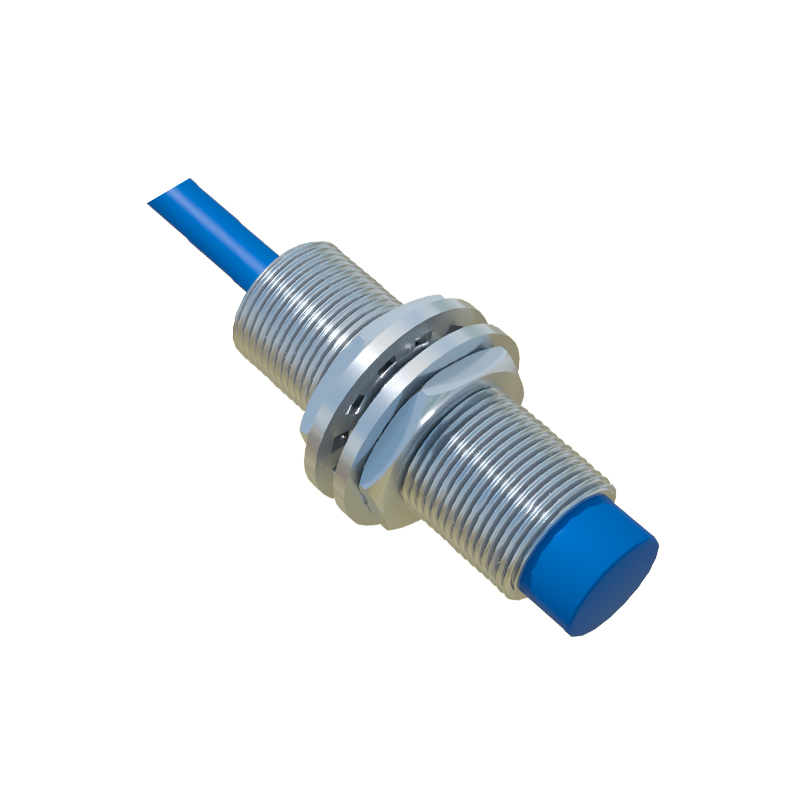
Beyond these, proximity sensors enable energy efficiency in smart buildings by controlling lighting and HVAC systems based on room occupancy. In retail, they can trigger interactive displays as customers walk by. Even in healthcare, they are used in equipment for non-contact monitoring and in automated dispensers to maintain hygiene.
The advantages of using proximity sensors are compelling. Their non-contact nature means no wear and tear from physical interaction, leading to high reliability and a long operational life. They offer fast response times, crucial for real-time applications in safety and automation. Furthermore, their ability to function in harsh environments—whether dirty, wet, or corrosive—makes them indispensable in industrial settings. Their simple digital output also allows for easy integration with microcontrollers and programmable logic controllers (PLCs).
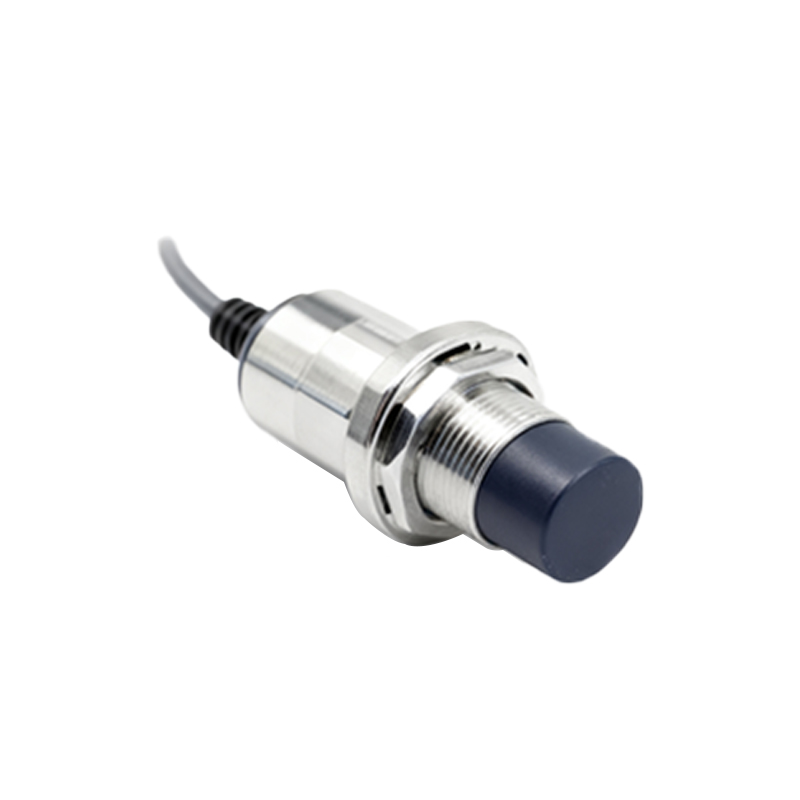
When selecting a proximity sensor for a specific application, several factors must be considered. The sensing range, or the maximum distance at which the sensor can reliably detect an object, is paramount. The nature of the target material—metal, plastic, liquid, skin—determines whether an inductive, capacitive, or optical sensor is required. Environmental conditions like temperature, humidity, and the presence of contaminants can affect performance. Finally, the required output type (e.g., NPN/PNP for industrial sensors) and physical size for installation are practical constraints.
Looking ahead, the evolution of proximity sensing is intertwined with broader technological trends. The miniaturization of components allows sensors to be embedded in ever-smaller wearable devices. The integration with Artificial Intelligence and the Internet of Things (IoT) is creating smarter systems; a network of sensors can now provide contextual data for predictive maintenance in factories or nuanced environmental control in smart homes. Furthermore, advancements in time-of-flight (ToF) sensors, which measure the round-trip time of light, are enabling more precise depth perception for applications in augmented reality and advanced robotics.
In conclusion, proximity sensors represent a fundamental enabling technology. Their ability to provide simple, reliable, and non-contact detection has made them ubiquitous, quietly enhancing functionality, safety, and efficiency across countless domains. As devices become smarter and more interactive, the role of this invisible technology will only continue to grow, solidifying its position as a critical link between the physical and digital worlds.