In the realm of industrial automation and machine control, DC proximity switch sensors stand as fundamental components for non-contact detection. These devices are engineered to detect the presence or absence of an object within a specified sensing range without any physical contact. Operating on direct current (DC) power supplies, typically ranging from 10 to 30 VDC, they offer distinct advantages in various demanding environments.
The core working principle of a DC proximity sensor often relies on electromagnetic fields. The most common type is the inductive proximity sensor. It contains an oscillator circuit that generates a high-frequency electromagnetic field at its active face. When a metallic target enters this field, eddy currents are induced within the target, causing a change in the oscillation amplitude. This change is detected by the sensor's circuitry, which subsequently triggers a solid-state output switch. For detecting non-metallic objects, capacitive DC proximity sensors are employed. These measure changes in capacitance caused by the presence of any material that alters the dielectric constant near the sensing face.
A key feature of DC-powered proximity switches is their output configuration. They predominantly come in three-wire formats, with two wires for power supply (positive and negative) and one for the output signal. The output can be either NPN (sinking) or PNP (sourcing), a critical distinction for compatibility with programmable logic controllers (PLCs) and other control systems. NPN outputs switch the negative (0V) line to the load, while PNP outputs switch the positive voltage line. Choosing the correct type is essential for proper circuit integration. DC sensors are known for their fast switching speeds, often in the kilohertz range, making them suitable for high-speed counting and positioning tasks.
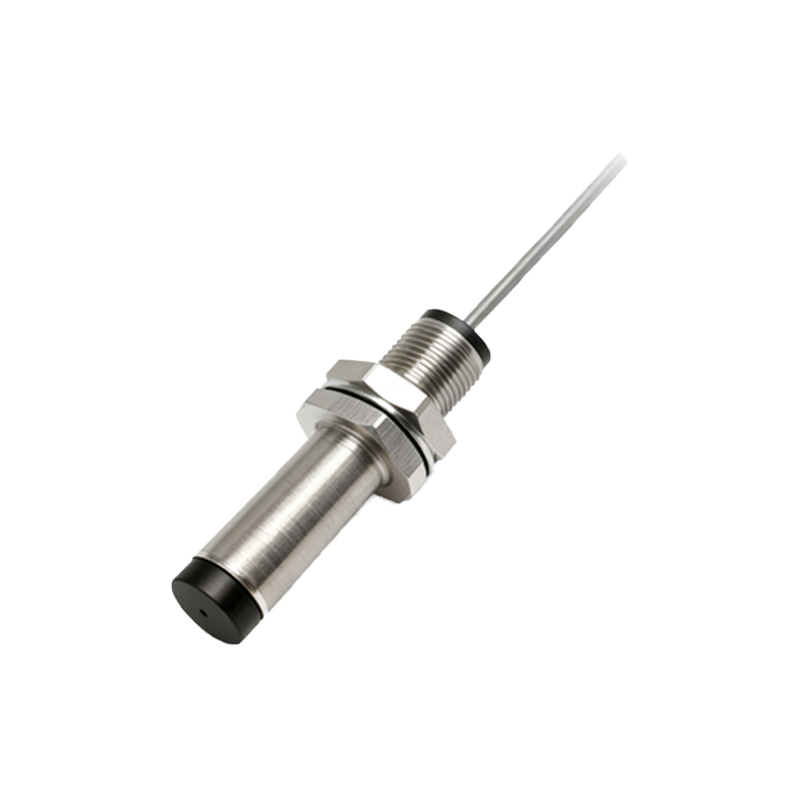
The applications of DC proximity sensors are vast and integral to modern manufacturing. They are ubiquitous on assembly lines for part detection, verifying if a component is present or correctly positioned before the next manufacturing step. In packaging machinery, they ensure product count and placement accuracy. Robotics heavily depends on these sensors for end-effector positioning and object detection. Furthermore, they play a vital role in safety systems, such as monitoring guard door positions or detecting the presence of an operator in a hazardous zone. Their solid-state design, with no moving parts, grants them exceptional reliability and a long operational life, even in environments with significant vibration, dust, or moisture when appropriately rated (e.g., IP67).
Selecting the right DC proximity switch requires careful consideration of several parameters. The sensing range is primary; it must be suitable for the application while considering factors like target material, size, and shape. For inductive sensors, the target must be ferrous or non-ferrous metal. The sensor's housing material, such as nickel-plated brass or stainless steel, should be chosen based on the environmental conditions like chemical exposure or physical impact. Output type (NPN/PNP) and function (normally open or normally closed) must match the control system's requirements. Other factors include the response frequency, installation method (flush or non-flush mountable), and connection type (pre-wired cable or quick-disconnect).
Installation and wiring are straightforward but demand attention. Ensuring a stable and clean DC power supply within the sensor's specified range is crucial to prevent erratic operation. Electrical noise from motors or frequency drives can sometimes interfere with sensor performance; therefore, proper shielding and maintaining distance from noise sources are recommended practices. Regular maintenance is minimal but involves keeping the sensing face clean from debris, metal chips, or buildup that could reduce the effective sensing distance.
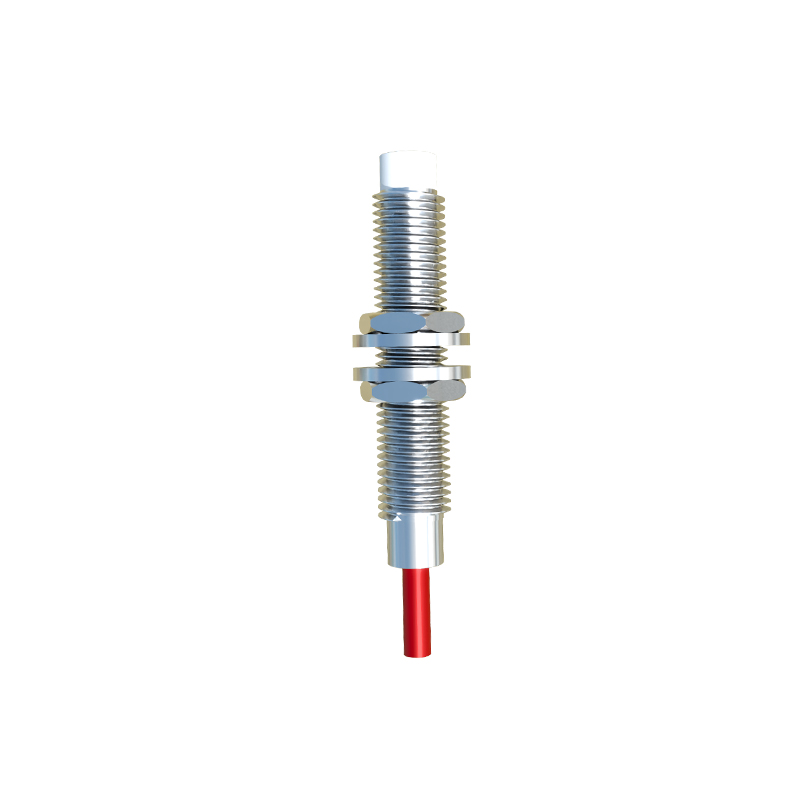
In summary, DC proximity switch sensors are indispensable tools in automation. Their non-contact operation, durability, and versatility in detecting objects make them a cornerstone of efficient, reliable, and safe industrial processes. From simple presence detection to complex sequential control, understanding their principles and selection criteria empowers engineers and technicians to optimize machine performance and system robustness. As technology advances, these sensors continue to evolve with enhanced sensing distances, miniaturization, and integrated smart diagnostics, further solidifying their role in the future of industrial innovation.