In the industrial automation and control systems sector, proximity sensors play a critical role in detecting the presence or absence of objects without physical contact. Selecting the right brand can significantly impact system performance, durability, and overall efficiency. As an experienced electrical engineer, I have tested and integrated various proximity sensor brands across multiple applications. Here, I will provide an unbiased analysis of top-performing brands, focusing on key factors such as sensing range, environmental adaptability, longevity, and cost-effectiveness.
First, let’s discuss the essential criteria for evaluating proximity sensors. The primary types include inductive, capacitive, and magnetic sensors, each suited for specific materials and conditions. Inductive sensors are ideal for metal detection, capacitive sensors for non-metallic materials, and magnetic sensors for applications requiring precise position detection. When choosing a brand, consider the sensor’s response time, operating temperature range, IP rating for dust and water resistance, and compatibility with your control systems.
Among the leading brands, Siemens stands out for its robust and versatile sensor offerings. Siemens proximity sensors are known for their high precision and reliability in harsh industrial environments. They offer a wide range of models with extended sensing distances and excellent noise immunity, making them suitable for heavy machinery and automotive manufacturing. However, Siemens sensors tend to be on the higher end of the price spectrum, which may not fit all budgets.
Another top contender is Omron, a brand renowned for its innovation and quality in sensor technology. Omron proximity sensors excel in compact design and energy efficiency, with models featuring advanced diagnostics and easy integration into PLC systems. Their inductive sensors, in particular, offer consistent performance in detecting small metal parts, which is crucial in electronics assembly lines. Omron provides a good balance between cost and performance, making it a popular choice for medium to large-scale operations.
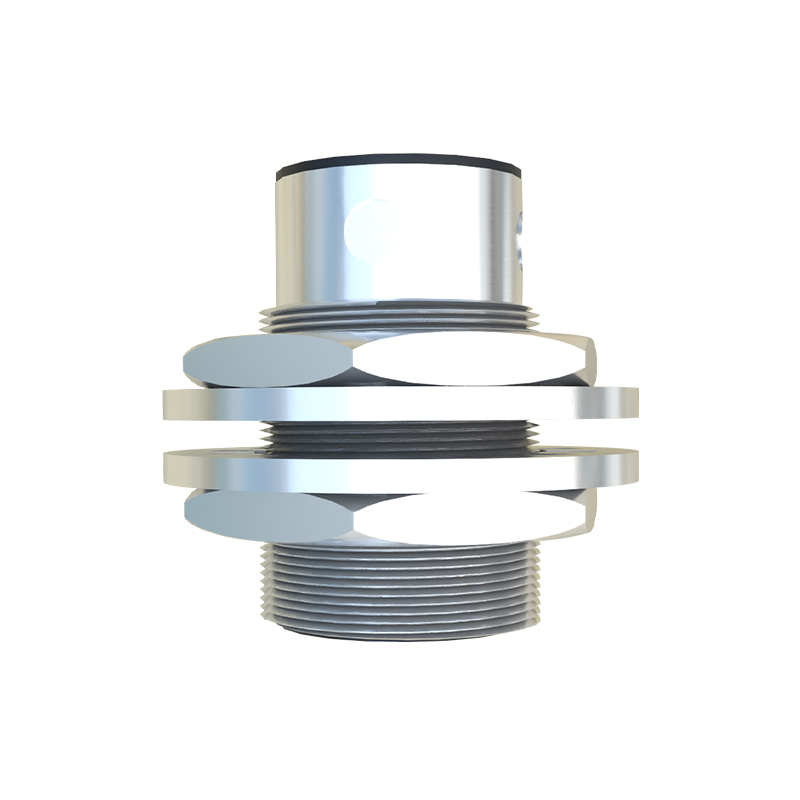
For those seeking cost-effective solutions without compromising on durability, Schneider Electric offers reliable proximity sensors with strong global support. Schneider’s sensors are designed for easy installation and maintenance, featuring LED indicators for status monitoring. While they may not have the same extended sensing capabilities as Siemens or Omron in specialized applications, they perform admirably in general-purpose settings like packaging and material handling.
In high-precision applications, such as semiconductor manufacturing or robotics, brands like Pepperl+Fuchs and Balluff are often preferred. Pepperl+Fuchs sensors are celebrated for their exceptional resistance to extreme temperatures and corrosive substances, thanks to their high-grade housing materials. Balluff, on the other hand, is known for its innovative RFID-integrated sensors that enable smart factory solutions, enhancing data collection and process automation. Both brands command premium prices but deliver unmatched accuracy and longevity.
When selecting a brand, it’s also vital to consider after-sales support and availability of spare parts. Brands with extensive distributor networks, like Rockwell Automation, ensure quick replacements and technical assistance, minimizing downtime. Rockwell’s proximity sensors are user-friendly with modular designs, though they may require specific configuration tools for optimal setup.
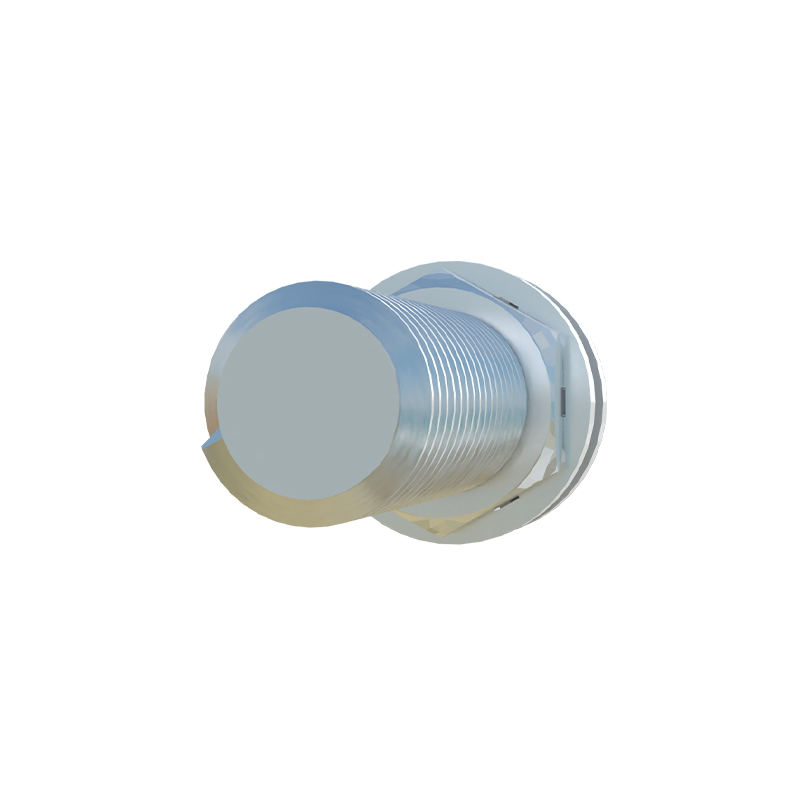
In summary, the best brand depends on your specific application needs and budget. For high-reliability in demanding environments, Siemens or Pepperl+Fuchs are excellent choices. For balanced performance and affordability, Omron or Schneider Electric are strong contenders. Always verify sensor specifications against your operational requirements and conduct pilot tests if possible. Investing in quality proximity sensors not only enhances system efficiency but also reduces long-term maintenance costs, ensuring smooth and uninterrupted industrial processes.