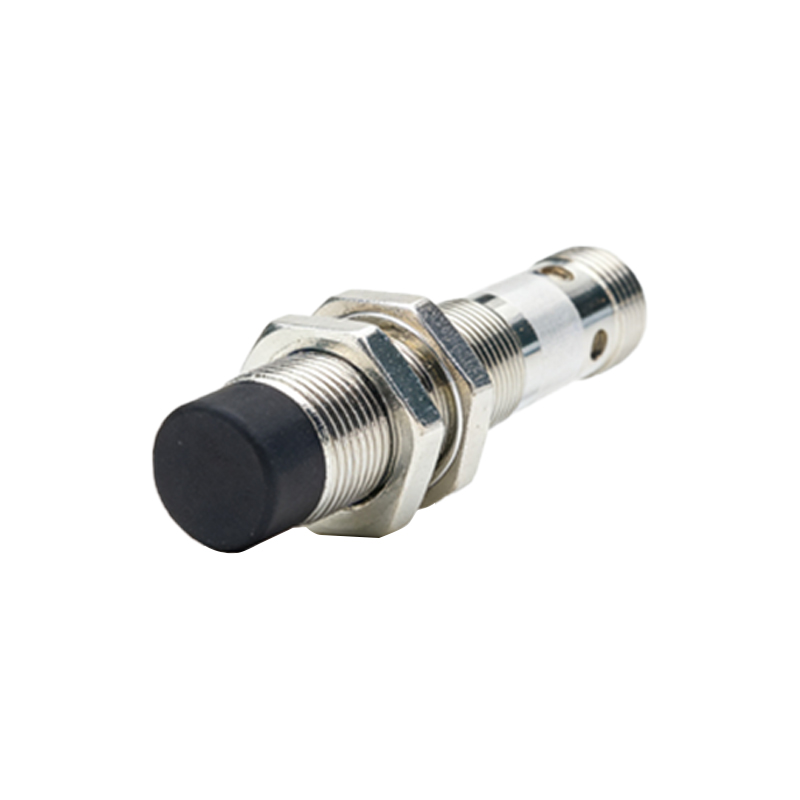
In the industrial automation sector, standard proximity sensors are indispensable components, widely utilized for non-contact detection of metallic and non-metallic objects. Their pricing in the global market is influenced by a complex interplay of factors, ranging from technical specifications to supply chain dynamics. This article delves into the key elements that shape the cost structure of these sensors, providing insights for procurement professionals and engineers.
The core technology of a proximity sensor significantly impacts its price. Inductive sensors, designed for metal detection, typically offer a cost-effective solution for basic applications, with prices starting as low as $20 per unit for standard models. Capacitive sensors, capable of detecting both metallic and non-metallic materials, often command a higher price point, generally ranging from $30 to $100, depending on sensing range and material composition. Ultrasonic and photoelectric sensors, employed for longer ranges or specific material properties, can see prices escalate from $50 to several hundred dollars, reflecting their advanced circuitry and precision components.
Brand reputation and certification are substantial price determinants. Established manufacturers like Siemens, Omron, and Schneider Electric often price their standard sensors 15-30% higher than generic or lesser-known brands. This premium is attributed to rigorous quality control, extensive R&D investment, global warranty services, and compliance with international standards (e.g., IEC, UL, CE). For critical applications where failure is not an option, this premium is frequently justified. Conversely, competitive pricing from emerging manufacturers or regional suppliers can be attractive for cost-sensitive, non-critical operations.
Order volume and packaging directly affect unit cost. Suppliers typically offer tiered pricing, where bulk purchases (e.g., orders of 100 units or more) can reduce the per-unit price by 10-25%. Standard packaging, such as reel or tray options for automated assembly, might also offer economies of scale compared to individual retail packaging. Additionally, long-term supply agreements often secure more stable and favorable pricing, insulating buyers from short-term market volatility.
The prevailing market environment plays a crucial role. Fluctuations in raw material costs, particularly for copper, plastics, and semiconductor chips, can cause price adjustments. Geopolitical factors and trade policies may impact import duties and logistics expenses, indirectly inflating landed costs. Moreover, technological advancements, such as the integration of IO-Link communication for smart sensor capabilities, add value but also increase the price by 20-40% over standard analog or digital output models.
In summary, the market quotation for a standard proximity sensor is not a fixed figure but a reflection of its technical attributes, brand value, purchase scale, and broader economic conditions. A thorough evaluation of application requirements against total cost of ownership—including maintenance, durability, and integration ease—is essential for making an informed procurement decision that balances performance with budgetary constraints.