In the realm of industrial automation and machine safety, the ability to detect the presence or absence of objects—particularly human operators—without physical contact is paramount. Among the diverse array of sensing technologies, the DY series of proximity sensors has established itself as a reliable and versatile solution. These inductive and capacitive sensors are engineered to provide non-contact detection, playing a critical role in safeguarding personnel, optimizing processes, and ensuring seamless operational flow.
The fundamental principle behind DY inductive proximity sensors involves generating an electromagnetic field. When a metallic object enters this field, it induces eddy currents within the object, causing a change in the sensor's oscillation amplitude. This change is detected by the internal circuitry, triggering a solid-state output signal. This makes them exceptionally suitable for detecting metals in harsh environments, such as on assembly lines, robotic arms, and CNC machinery. Their robustness against dust, oil, and vibration is a key advantage. On the other hand, DY capacitive proximity sensors operate by generating an electrostatic field. They can detect a much wider range of materials, including metals, plastics, liquids, powders, and even the human body, by sensing changes in capacitance caused by the target's dielectric constant. This versatility makes them ideal for level detection in tanks, material handling, and, crucially, for personnel safety applications where non-metallic presence needs to be sensed.
A primary application driving the adoption of DY proximity sensors is the enhancement of workplace safety. They are integral components in constructing safety light curtains, perimeter guarding systems, and access control points on dangerous machinery. By creating an invisible detection zone, these sensors can instantly halt a machine's operation when an operator's hand or body breaches the predefined safe boundary. This non-intrusive safety measure significantly reduces the risk of accidents, complying with stringent international safety standards like ISO 13849. Their fast response time and high repeat accuracy are vital in these life-critical scenarios.
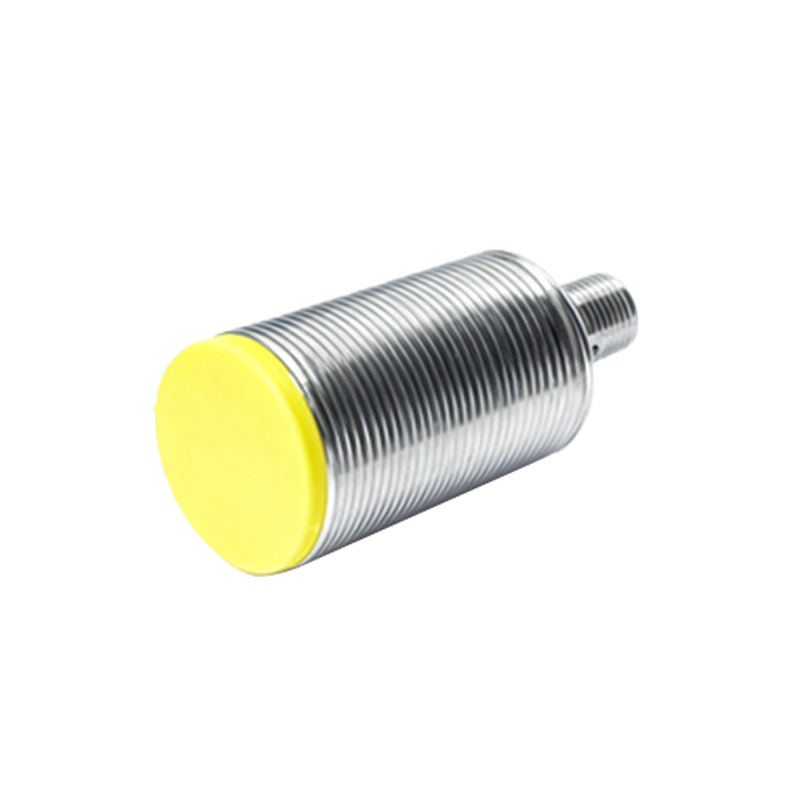
Beyond safety, DY sensors contribute substantially to operational efficiency and automation logic. They provide precise position feedback for moving parts, count objects on conveyors, verify the presence of components in fixtures, and control the end positions of actuators. Their solid-state design, with no moving parts, ensures a long operational life with minimal maintenance. Many models in the DY series feature built-in protection against short-circuits, overload, and reverse polarity, enhancing system reliability. The availability of various housing styles (cylindrical, rectangular, slot-type), sensing ranges, output types (NPN/PNP, NO/NC), and connection methods (pre-wired, quick-disconnect) allows for seamless integration into virtually any control architecture, from simple relay logic to sophisticated PLC networks.
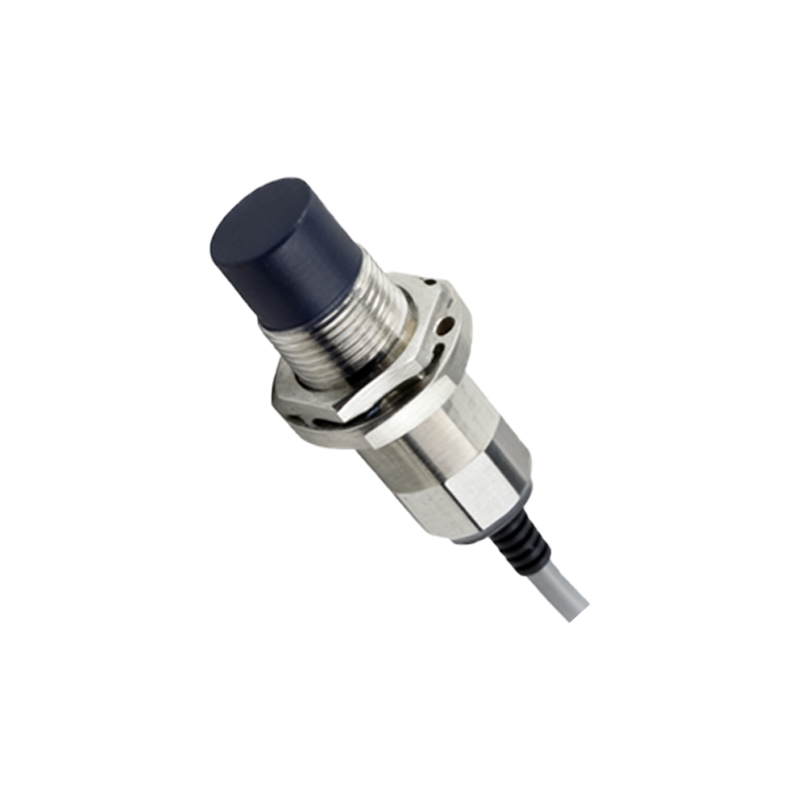
When selecting a DY series sensor for a specific application, several technical parameters must be carefully considered. The sensing distance, or "rated operating distance," is specified for a standard target and can be influenced by the target material's type, size, and shape. Factors such as the sensor's switching frequency (how quickly it can detect objects in succession), temperature range, housing material (often nickel-plated brass or stainless steel for durability), and IP rating for ingress protection (e.g., IP67 for dust and temporary immersion) are critical for ensuring performance in the intended environment. Proper installation is equally important; maintaining adequate clearance from surrounding metal (to prevent false triggering) and ensuring stable power supply voltage are essential best practices.
The evolution of the DY series continues with advancements in miniaturization, increased sensing ranges, and the integration of IO-Link communication. IO-Link enabled DY sensors transform from simple binary switches into intelligent devices capable of transmitting detailed diagnostic data—such as operating temperature, signal strength, and device health—to the control system. This facilitates predictive maintenance, reduces downtime, and allows for remote parameter configuration, aligning with the principles of Industry 4.0 and smart manufacturing.
In conclusion, the DY series of proximity sensors represents a cornerstone technology in modern industrial systems. By offering reliable, non-contact detection across a spectrum of materials and under challenging conditions, they fulfill a dual mandate: protecting human workers from harm and enabling precise, efficient, and intelligent automation. Their continued development ensures they will remain a vital component in building safer, more productive, and interconnected industrial environments for the future.