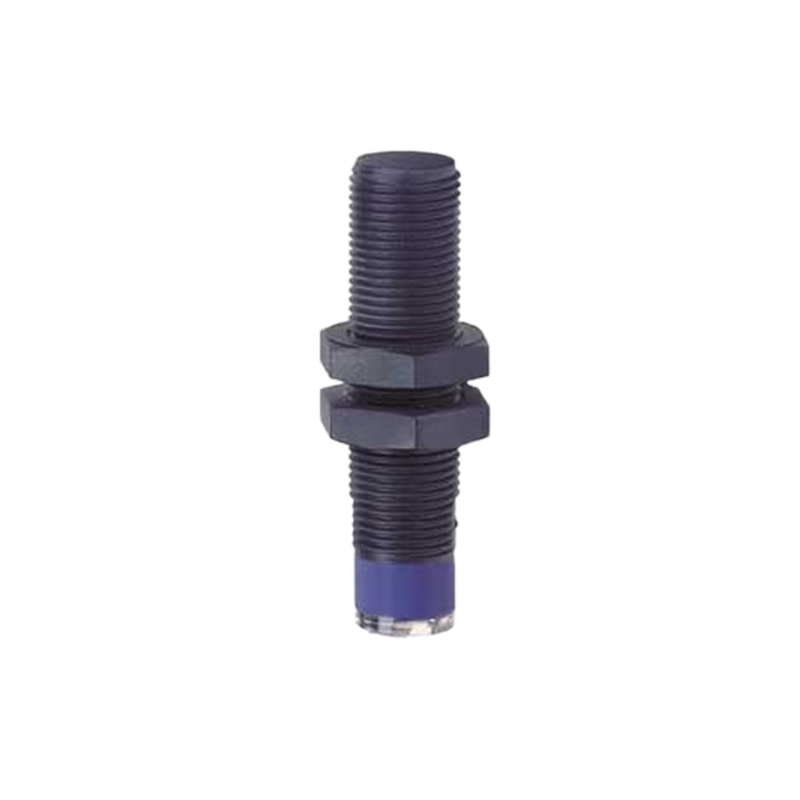
In the realm of industrial automation, proximity sensors play a critical role in ensuring operational safety, efficiency, and reliability. Among these, the S8 series of proximity sensors has gained prominence for its robust performance in detecting the presence or absence of objects without physical contact. When an S8 sensor triggers a "proximity alert," it signals that an object has entered its detection range, prompting a predefined response from the control system. This article delves into the functionality, applications, and troubleshooting of S8 proximity sensor alerts, tailored for electrical engineers and automation professionals.
Proximity sensors, including the S8 type, operate on principles such as inductive, capacitive, or magnetic sensing. Inductive S8 sensors are commonly used for metal detection in harsh environments, like manufacturing assembly lines, where they monitor the position of machine parts. Capacitive variants detect non-metallic materials, making them suitable for liquid level sensing or plastic handling. The alert mechanism is integrated into the sensor's output, which can be configured as a digital signal (e.g., NPN or PNP) to interface with PLCs (Programmable Logic Controllers) or other industrial controllers. Upon detecting an object within its specified range—typically from a few millimeters to several centimeters—the S8 sensor sends an alert, initiating actions such as stopping a conveyor belt, activating a robotic arm, or logging data for quality control.
The importance of S8 proximity sensor alerts lies in their ability to prevent accidents and optimize processes. In automotive manufacturing, for instance, these sensors ensure that components are correctly aligned before welding, reducing errors and downtime. In packaging machinery, they verify that items are present before sealing, minimizing waste. The alert system must be calibrated precisely to avoid false triggers, which can disrupt production. Factors like sensor mounting, environmental conditions (e.g., temperature, humidity, and electromagnetic interference), and target material properties influence detection accuracy. Engineers should follow manufacturer guidelines for installation, ensuring proper alignment and shielding from noise.
Common issues with S8 proximity sensor alerts include intermittent signals, reduced sensing range, or failure to detect objects. Troubleshooting often involves checking power supply stability, wiring connections, and sensor cleanliness. Dust or debris accumulation can attenuate signals, requiring regular maintenance. Additionally, compatibility with the control system is crucial; using incorrect voltage levels or output types may lead to malfunctions. Advanced S8 models feature diagnostic LEDs or communication protocols like IO-Link for real-time monitoring, enabling predictive maintenance and reducing unplanned outages.
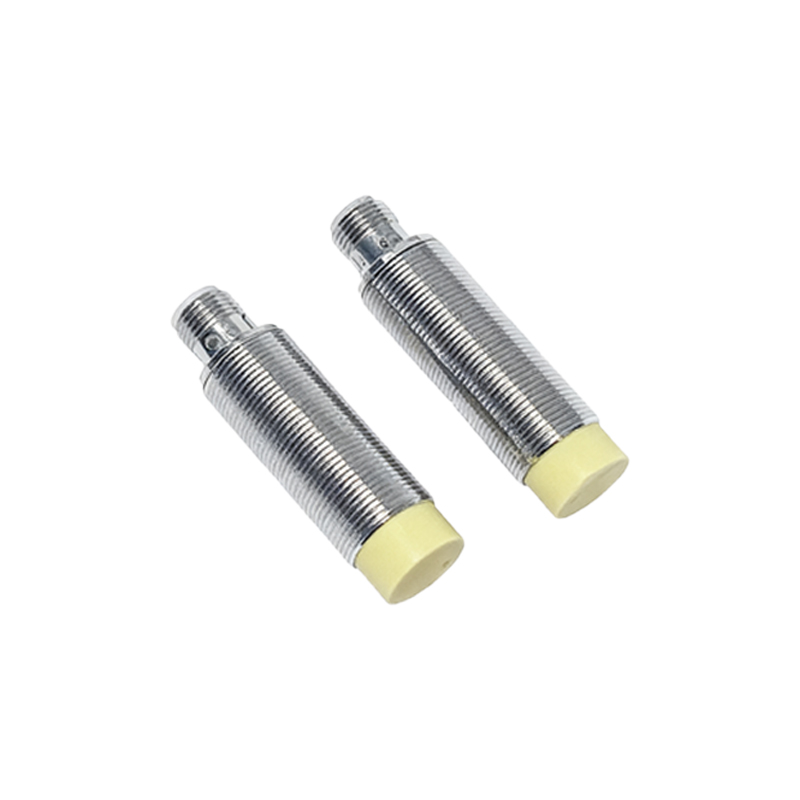
In summary, S8 proximity sensor alerts are integral to modern industrial automation, enhancing safety and productivity. By understanding their operation and maintenance, engineers can leverage these devices to build resilient systems. As technology evolves, future iterations may incorporate smart features like AI-based anomaly detection, further expanding their utility in Industry 4.0 applications.