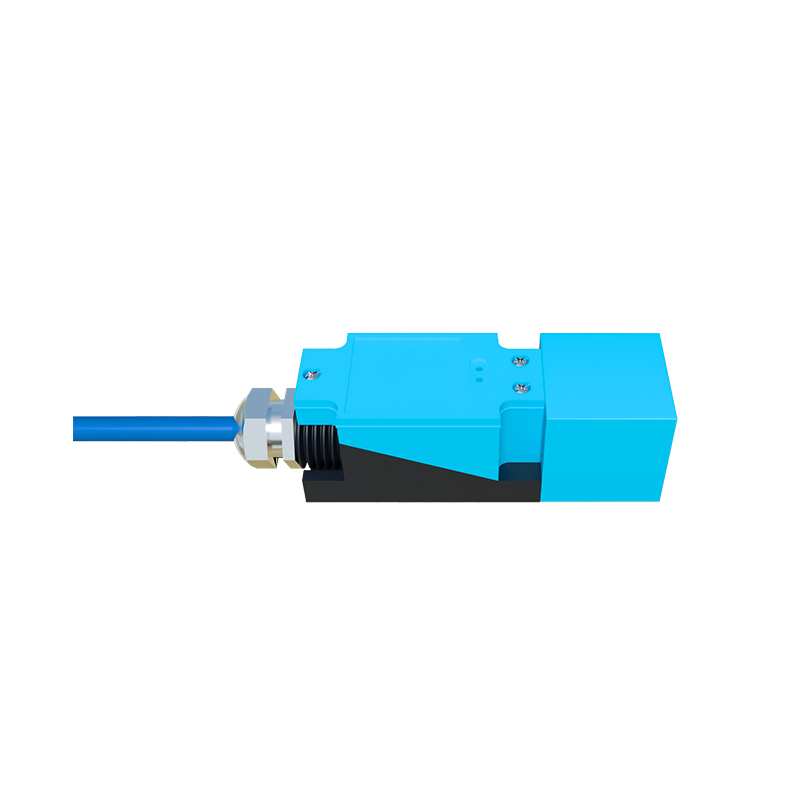
In industrial automation and machinery design, proximity switch sensor shims play a critical yet often overlooked role. These thin, precision components are installed between the sensing face of a proximity sensor and its target surface to adjust the effective sensing distance, protect the sensor from mechanical damage, or compensate for installation tolerances. Selecting the correct shim model is essential for ensuring reliable sensor operation, longevity, and system safety. This guide delves into the key specifications, material considerations, and application scenarios for proximity sensor shims.
Proximity sensors, including inductive, capacitive, and magnetic types, have a defined nominal sensing distance (Sn). This distance can be influenced by the target material, size, and environmental conditions. Sensor shims are primarily used to fine-tune this operating point. For instance, when a sensor must detect a target at a distance slightly less than its standard range, a specific thickness shim can be installed to reduce the effective gap, preventing false triggers or premature wear. Common shim thicknesses range from 0.1mm to 2.0mm, with standardized increments such as 0.1mm, 0.2mm, 0.5mm, 1.0mm, and 1.5mm. The choice depends on the sensor's specifications and the required adjustment.
Material selection is paramount. Most shims are manufactured from non-ferrous metals or industrial plastics. For inductive proximity sensors, which detect metallic objects, shims are typically made from brass, stainless steel, or aluminum. It is crucial to avoid ferromagnetic materials like standard steel unless specified, as they can interfere with the sensor's magnetic field and alter its characteristics. For capacitive sensors, often used for non-metallic target detection, shims may be made from materials like PTFE (Teflon) or PVC to provide consistent dielectric properties. In high-temperature or corrosive environments, materials like 316 stainless steel or specialty ceramics are employed.
Standard shim models often follow a coding system that includes diameter, thickness, and material. A typical model designation might be PS-SHIM-18-1.0-SS, where "18" indicates an 18mm diameter (matching a standard sensor housing size), "1.0" denotes a 1.0mm thickness, and "SS" signifies stainless steel. It is vital to match the shim's outer diameter and inner diameter (if it has a center hole for the sensor's sensing face) precisely with the sensor's dimensions. An improperly sized shim can obstruct the sensing field or fail to secure properly.
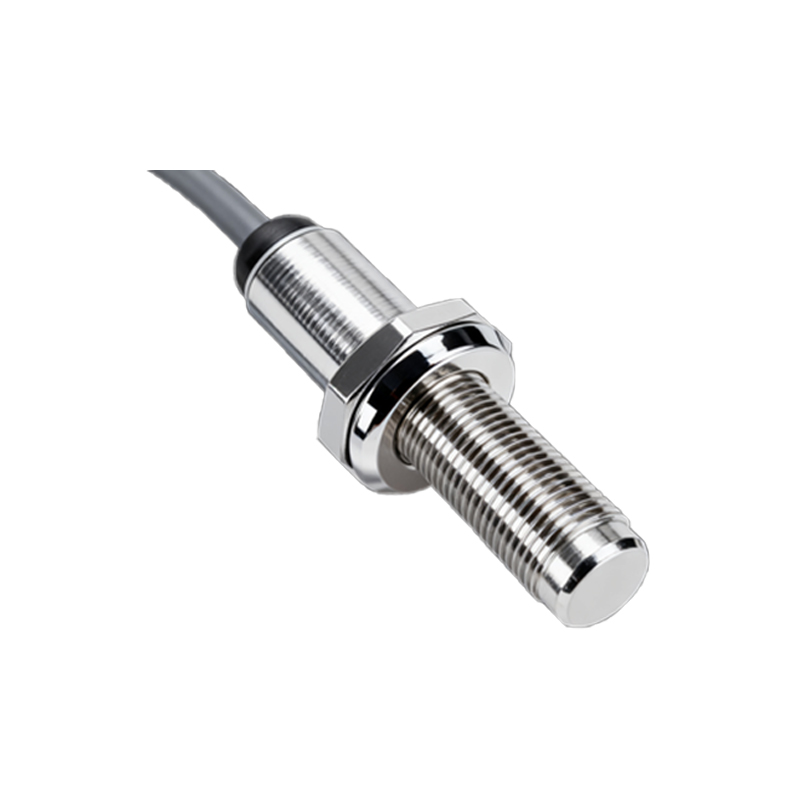
Application scenarios dictate shim requirements. In high-vibration environments, such as on presses or stamping machines, shims serve as sacrificial wear plates, protecting the often-expensive sensor face from direct impact or abrasion. Here, slightly thicker, hardened steel shims might be used. For precise positioning applications, like in robotic assembly, thin calibration shims (e.g., 0.1mm or 0.2mm) are used to achieve micron-level accuracy in trigger points. In washdown or food-processing areas, shims must be made from corrosion-resistant materials and designed with smooth surfaces to prevent bacterial growth.
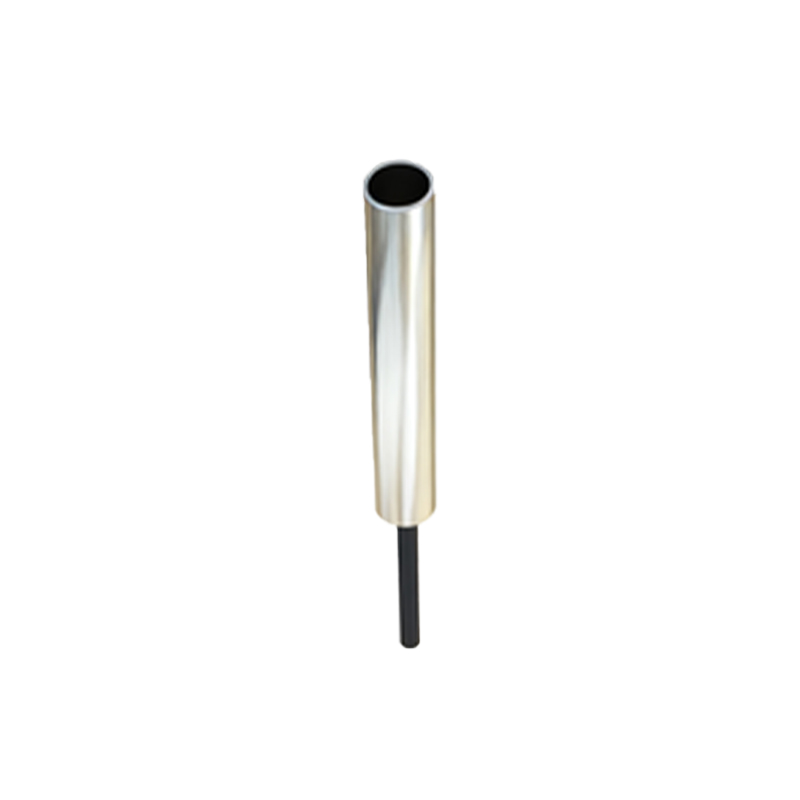
Installation and maintenance are straightforward but require attention. The mounting surface must be clean and flat. The shim should be placed flush against the sensor face, and the sensor should then be securely mounted. Overtightening mounting nuts can deform thin shims, altering their thickness and performance. During routine maintenance, shims should be inspected for wear, deformation, or corrosion and replaced if any compromise is detected. Keeping a stock of common shim models for critical sensors can minimize machine downtime.
In summary, proximity switch sensor shims are vital for optimizing sensor performance and lifespan. Engineers and maintenance personnel must consider the required sensing adjustment, environmental conditions, material compatibility, and precise physical dimensions when selecting a shim model. Consulting the sensor manufacturer's technical data for recommended shim types and thicknesses is always the best practice. By specifying the correct shim—whether it's a standard brass spacer or a high-temperature ceramic protector—you ensure your sensing systems operate with maximum reliability and precision, supporting overall equipment effectiveness and safety.