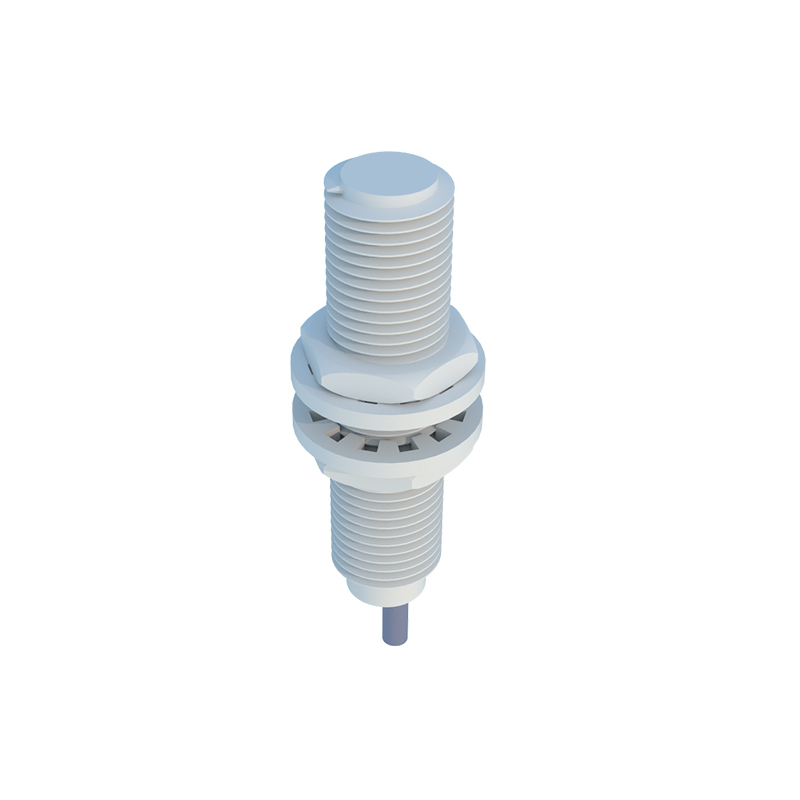
Proximity sensors are critical components in modern industrial automation, providing non-contact detection of metallic or non-metallic objects. Proper installation is essential to ensure optimal performance, reliability, and longevity. This guide outlines key considerations and step-by-step procedures for installing proximity sensors in industrial environments.
First, select the appropriate sensor type based on the application. Inductive sensors detect metallic objects, while capacitive sensors can sense both metallic and non-metallic materials. Ultrasonic and photoelectric sensors offer longer detection ranges. Verify the sensor’s specifications, including sensing distance, output type (PNP/NPN), voltage rating, and environmental ratings (IP67 or higher for harsh conditions).
Before installation, de-energize the electrical system to prevent accidents. Mount the sensor securely using brackets or threaded housings, ensuring it is aligned parallel to the target object. Maintain the recommended sensing distance, typically 50-80% of the rated range to account for environmental factors like temperature fluctuations or vibration. Avoid mounting near strong electromagnetic fields, welding equipment, or high-voltage cables, as interference can cause false triggering.
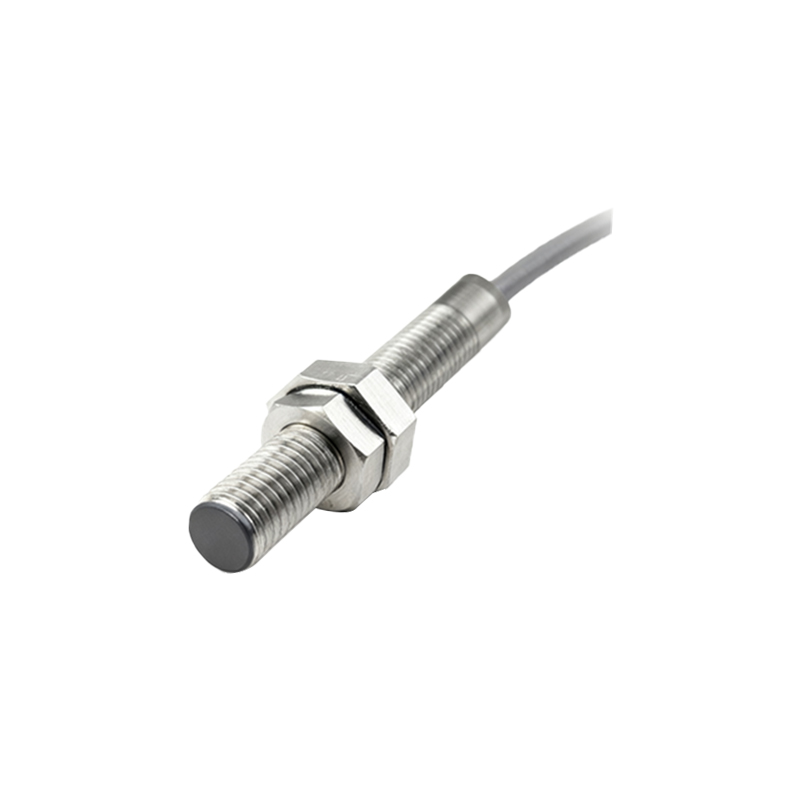
Wiring must comply with local electrical codes and the sensor’s datasheet. For DC sensors, connect the brown wire to positive voltage and the blue wire to ground. The black wire is the output signal. Use shielded cables in noisy environments and ground the shield at one end. For AC sensors, follow color codes (e.g., black for live, white for neutral). Ensure tight connections to prevent voltage drops or arcing.
After installation, test the sensor with the target object. Adjust the sensitivity potentiometer if available, ensuring consistent detection without false positives. Monitor the sensor’s response time and repeatability under operational conditions. Regular maintenance includes cleaning the sensing face from dust, oil, or debris, and checking for physical damage or loose connections.
Common pitfalls include incorrect mounting orientation, inadequate sensing gap, and ignoring environmental factors like humidity or chemical exposure. Always refer to the manufacturer’s guidelines for specific models. Proper installation reduces downtime and enhances system efficiency, making it a vital skill for engineers and technicians.