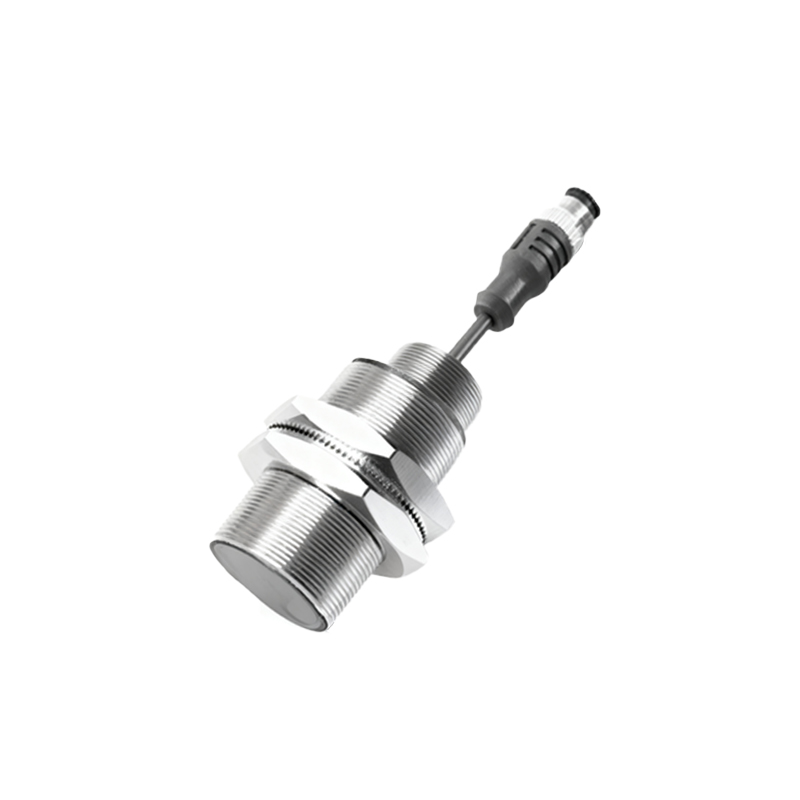
Proximity sensor calibration is a fundamental yet often misunderstood process in industrial automation and electrical engineering. At its core, calibration refers to the systematic procedure of adjusting a proximity sensor's output to match a known standard or reference, ensuring its measurements are accurate, reliable, and repeatable within specified tolerances. This is not a one-time setup during installation but a critical aspect of ongoing maintenance and quality assurance.
The primary goal of calibration is to minimize measurement error. A proximity sensor, whether inductive, capacitive, or photoelectric, detects the presence or absence of an object without physical contact. Its output signal—typically a switching signal or an analog value like 4-20mA or 0-10V—must correspond precisely to the actual distance or presence condition. Over time, factors like temperature fluctuations, mechanical vibration, component aging, electrical noise, and environmental contaminants (oil, dust) can cause sensor drift. This drift means the sensor's output gradually deviates from its true value. An uncalibrated sensor might trigger too early or too late, leading to process errors, machine downtime, or defective products.
The calibration process generally involves several key steps. First, a reference target of known dimensions and material (standardized per sensor type) is positioned at a precisely defined distance from the sensor's sensing face. This distance is often the rated sensing distance or a critical threshold defined in the application. Using specialized calibration tools or the sensor's built-in potentiometers/software interface, a technician adjusts the sensor's sensitivity or switching point until its output changes state exactly when the reference target reaches the specified distance. For analog sensors, the output signal is adjusted across its range to ensure linearity and accuracy at multiple setpoints. Documentation is crucial; recording the "as-found" (pre-calibration) data and the "as-left" (post-calibration) data provides a traceable history of sensor performance and drift trends.
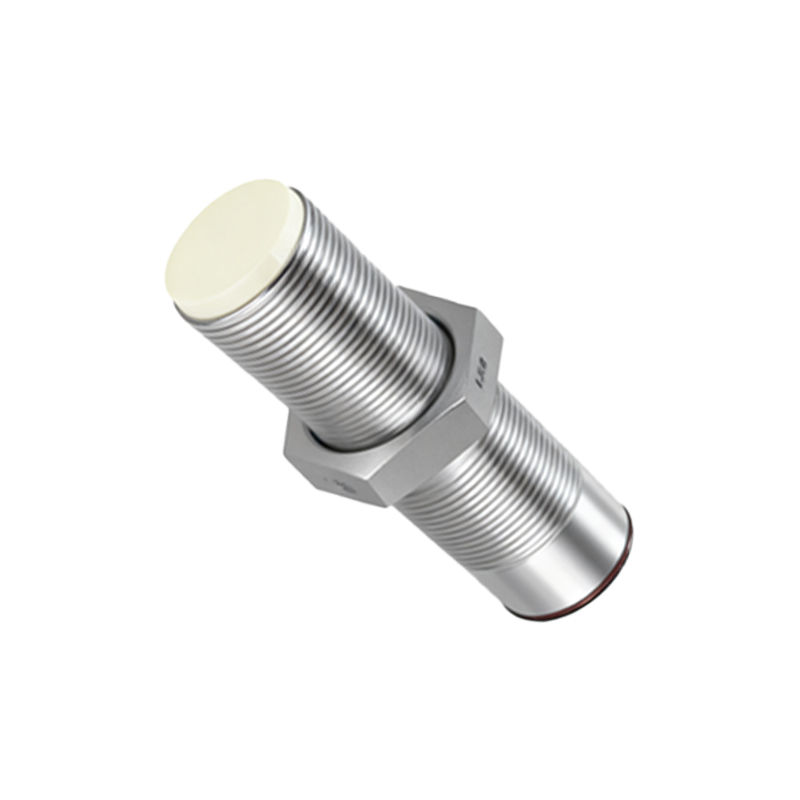
Different sensor technologies require specific calibration considerations. Inductive sensors, used for detecting metals, must be calibrated with the correct target material (e.g., mild steel). Calibrating with aluminum and then using it for steel will yield inaccurate results. Capacitive sensors, sensitive to a wider range of materials including liquids and plastics, often require adjustment of both sensitivity and a background suppression threshold to ignore interfering objects. Photoelectric sensors may need alignment and lens cleaning before calibration, and their response is calibrated based on light intensity received.
In modern industrial settings, calibration is increasingly integrated into predictive maintenance strategies. By regularly scheduling calibration and analyzing the drift data, engineers can predict sensor failure before it causes a line stoppage. The concept of "calibration uncertainty" is also vital; it acknowledges that every measurement and standard has a degree of doubt. Proper calibration procedures aim to reduce this uncertainty to an acceptable level defined by the application's criticality.
Ultimately, understanding proximity sensor calibration means recognizing it as an essential investment in system integrity. It transcends mere adjustment—it is the verification of a sensor's truth-telling capability. A well-calibrated sensor network forms the reliable sensory foundation of any automated process, from packaging and robotics to automotive assembly and semiconductor manufacturing, ensuring efficiency, safety, and consistent product quality.