In the intricate world of industrial automation and control systems, the standard proximity sensor stands as a fundamental and indispensable component. Its primary role is to detect the presence or absence of an object within its sensing range without any physical contact. This non-contact detection capability is the cornerstone of its widespread application and reliability. Unlike mechanical limit switches that require physical actuation, proximity sensors operate by emitting an electromagnetic field or a beam of electromagnetic radiation and looking for changes in the field or return signal. This fundamental principle allows for high-speed operation, exceptional durability, and minimal maintenance, making them ideal for harsh industrial environments.
Standard proximity sensors are typically categorized by their sensing technology. The most common types include inductive, capacitive, and photoelectric sensors. Inductive proximity sensors are the workhorses for detecting metallic objects. They generate an oscillating electromagnetic field. When a ferrous or non-ferrous metal object enters this field, it induces eddy currents, causing a change in the oscillation amplitude. The sensor's circuitry detects this change and triggers a solid-state output switch. These sensors are exceptionally robust, immune to environmental factors like dust, oil, and moisture, and are perfect for applications like counting metal parts, detecting piston position in cylinders, or monitoring machine tool position.
Capacitive proximity sensors, on the other hand, can detect both metallic and non-metallic materials such as liquids, plastics, wood, and granules. They function by generating an electrostatic field. Any object that enters this field alters the capacitance of the sensor's circuit, triggering detection. This makes them versatile for tasks like liquid level detection in non-metallic tanks, monitoring presence of plastic bottles on a conveyor, or detecting filled levels of powdered materials. Photoelectric sensors utilize light beams, typically infrared or laser, to detect objects. They offer the longest sensing ranges and are excellent for detecting small objects or applications requiring precise positioning. Common configurations include through-beam, retro-reflective, and diffuse reflective models.
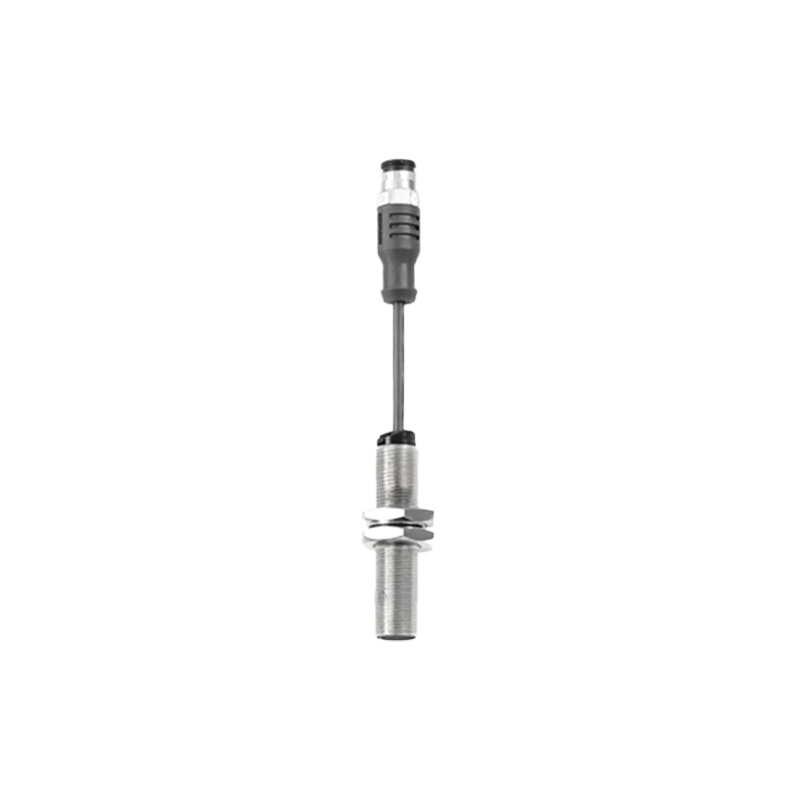
The core function of these standard sensors transcends simple detection. They are the critical "eyes" of a control system, providing the essential binary input (object present or absent) that drives logic and action. This input is vital for enabling key automated processes. For instance, in automated assembly lines, proximity sensors verify the correct positioning of components before a robotic arm performs a weld or an insertion, preventing costly errors and damage. In packaging machinery, they ensure precise cutting and sealing by detecting the leading edge of film or cartons. In material handling, they control the flow of items on conveyors, preventing jams and enabling sorting operations.
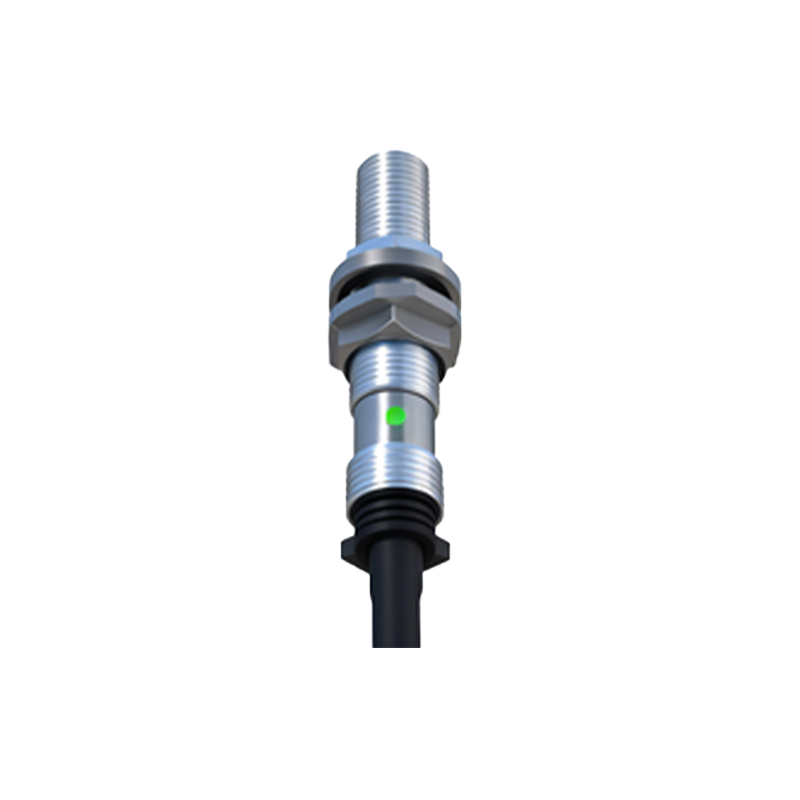
Furthermore, standard proximity sensors play a pivotal role in safety and machine monitoring. They are integral to safety interlock systems, ensuring that guarding doors are closed before a machine can start, thereby protecting personnel. They monitor rotational speed by detecting passing gear teeth, provide end-of-travel limits for moving parts, and verify the open/closed status of valves and clamps. Their solid-state design, with no moving parts to wear out, ensures long-term reliability and reduces downtime. The output from these sensors, whether NPN (sinking) or PPN (sourcing), is directly compatible with programmable logic controllers (PLCs), making integration into complex control architectures straightforward.
When selecting a standard proximity sensor, engineers must consider several key parameters: sensing range, which is typically nominal and influenced by the target material; repeat accuracy, which is crucial for precision applications; housing material and ingress protection (IP) rating for environmental durability; output type (e.g., normally open or closed); and supply voltage compatibility. Standardization in form factors, mounting styles (e.g., threaded barrels), and electrical connections has simplified specification and replacement across different manufacturers, contributing to their ubiquitous presence.
In conclusion, the standard proximity sensor is far more than a simple switch. It is a reliable, high-performance sensing device that forms the foundational layer of data acquisition in automated systems. By providing accurate, contactless detection of objects, it enables precise control, enhances operational efficiency, ensures process reliability, and contributes significantly to operational safety. Its evolution continues with advancements in miniaturization, sensing distance, and smart features like IO-Link communication, but its essential role as the silent, vigilant sentinel of the factory floor remains unchanged.