In the landscape of modern smartphones, sensor technology plays a pivotal role in enhancing user experience, device durability, and intelligent functionality. The Huawei Mate 50 series, as a flagship offering, incorporates a sophisticated array of sensors, among which the rear proximity sensor is a critical yet often understated component. This article delves into the specific functions, operational principles, and practical benefits of the rear proximity sensor in the Mate 50, tailored for professionals in the electrical and consumer electronics industries.
A proximity sensor, fundamentally, is a device that detects the presence or absence of nearby objects without any physical contact. In smartphones, these are commonly associated with the front-facing unit that turns off the display during calls. However, the integration of a similar sensor on the rear panel, as seen in the Mate 50, signifies an evolution in design thinking and utility. The rear proximity sensor in the Mate 50 typically operates using infrared (IR) or capacitive sensing technology. It emits an electromagnetic field or a beam of infrared light and detects changes in the return signal when an object, such as a user's hand or a surface, approaches the rear housing of the device.
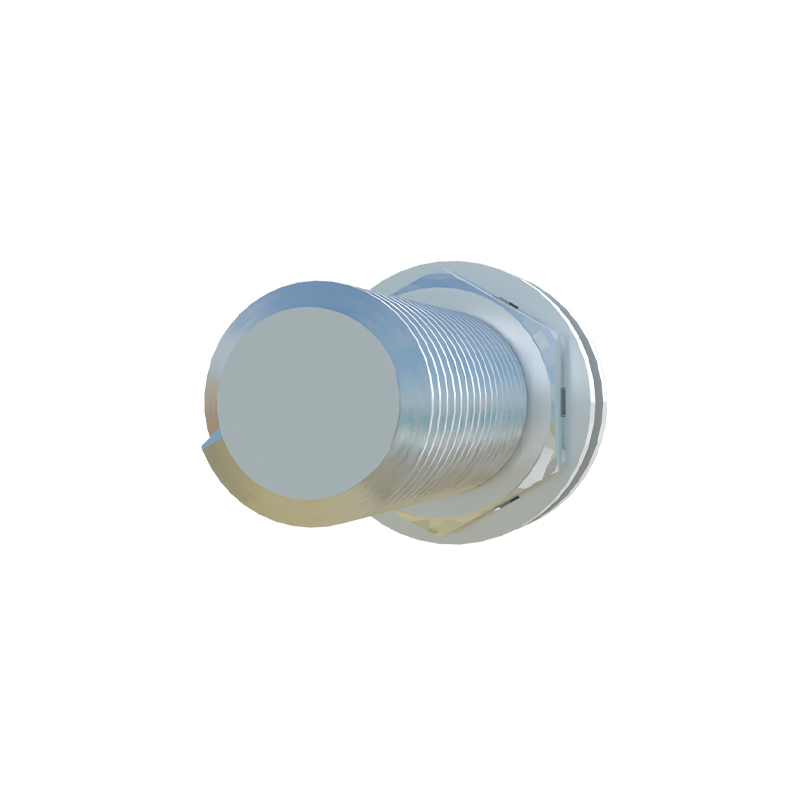
The primary function of this sensor is to enable and optimize gesture-based controls and contextual awareness. For instance, when the Mate 50 is placed on a desk or held in a user's hand with the rear facing up, the sensor can detect this orientation and proximity. This data is processed by the device's software to trigger specific actions. A key application is the automatic activation of the Always-On Display (AOD) or specific quick-access features when the user's hand hovers over the sensor area, allowing for glanceable information without fully waking the device. Conversely, it can signal the system to dim or turn off certain rear-facing elements when the phone is face-down or in a pocket, contributing to power conservation.
From an engineering perspective, the implementation requires meticulous calibration to avoid false triggers from environmental factors like ambient light or incidental contact. The Mate 50's sensor is integrated with its HarmonyOS, allowing for low-level system commands that ensure rapid response times and minimal battery drain. This integration exemplifies the trend toward more contextually aware devices that anticipate user intent. For professionals, understanding this involves appreciating the sensor's interface with the mainboard, its power management circuit, and the noise-filtering algorithms in the firmware.
Furthermore, the rear proximity sensor enhances the device's durability and user safety. By detecting when the phone is placed on a surface, it can help prevent accidental touch inputs on the screen if the device is slightly elevated. In more advanced use-cases, it can work in tandem with the rear camera system. For example, during photography, the sensor might detect the user's proximity to the lens and adjust settings or provide haptic feedback to prevent fingers from obstructing the shot—a subtle but valuable feature for both casual and professional photographers.
The inclusion of such a sensor also reflects broader industry trends toward seamless human-machine interaction. It moves beyond simple touch inputs, enabling a layer of spatial interaction. For electrical engineers, the design challenges include ensuring the sensor's aperture is discreet within the device's aesthetic, maintaining its sensitivity through various case materials, and shielding it from interference with other wireless components like NFC or wireless charging coils. The Mate 50's design reportedly addresses these by placing the sensor in an optimized location near the camera module, using materials that are transparent to the sensor's operating frequency.
In practical terms for end-users, the benefits are realized through smoother, more intuitive interactions. However, its operation is largely in the background, a hallmark of good design. It doesn't require user configuration but works persistently to make the device feel smarter and more responsive. This aligns with the premium positioning of the Mate 50, where incremental improvements in sensor fusion contribute significantly to the overall premium feel and functional robustness.
In conclusion, the rear proximity sensor in the Huawei Mate 50 is not merely an additional component but a strategic element that enhances interactivity, power efficiency, and contextual intelligence. Its successful deployment hinges on precise hardware engineering and deep software integration. For industry professionals, it serves as a pertinent case study in how mature sensor technology can be re-contextualized in new form factors to deliver tangible, user-centric benefits, pushing the envelope of what a smartphone can perceive and react to in its environment.