Intrinsically safe infrared proximity sensors represent a critical advancement in mining technology, designed to operate reliably in hazardous environments where flammable gases, dust, or vapors may be present. These sensors utilize infrared light to detect the presence or absence of objects, machinery, or personnel without physical contact, thereby reducing the risk of sparks or ignition sources. In the mining industry, safety is paramount, and the implementation of intrinsically safe (IS) devices is mandated by strict regulatory standards globally, such as those set by MSHA in the United States or ATEX in Europe.
The core principle behind these sensors involves emitting an infrared beam that reflects off a target. The sensor's receiver then analyzes the reflected signal to determine proximity. This non-contact method is particularly advantageous in mining applications, where machinery like conveyor belts, drilling equipment, and vehicles require precise monitoring to prevent collisions, optimize automation, and ensure worker safety. For instance, on a conveyor system, an IS infrared proximity sensor can detect blockages or misaligned materials, triggering an automatic shutdown to avoid damage or accidents. Similarly, in underground tunnels, these sensors can monitor the movement of personnel and equipment, providing real-time data to control centers and enhancing situational awareness.
Designing sensors for mining environments involves overcoming significant challenges, including extreme temperatures, high humidity, mechanical vibrations, and corrosive substances. Intrinsically safe infrared proximity sensors are engineered with robust housings, often made from stainless steel or reinforced polymers, to withstand such conditions. Their electronic circuits are limited in energy output to prevent ignition, adhering to IS certification requirements. This ensures that even in the event of a fault, the sensor cannot release sufficient energy to ignite a flammable atmosphere. Additionally, many models feature fail-safe mechanisms and self-diagnostic capabilities, alerting operators to potential issues before they escalate into hazards.
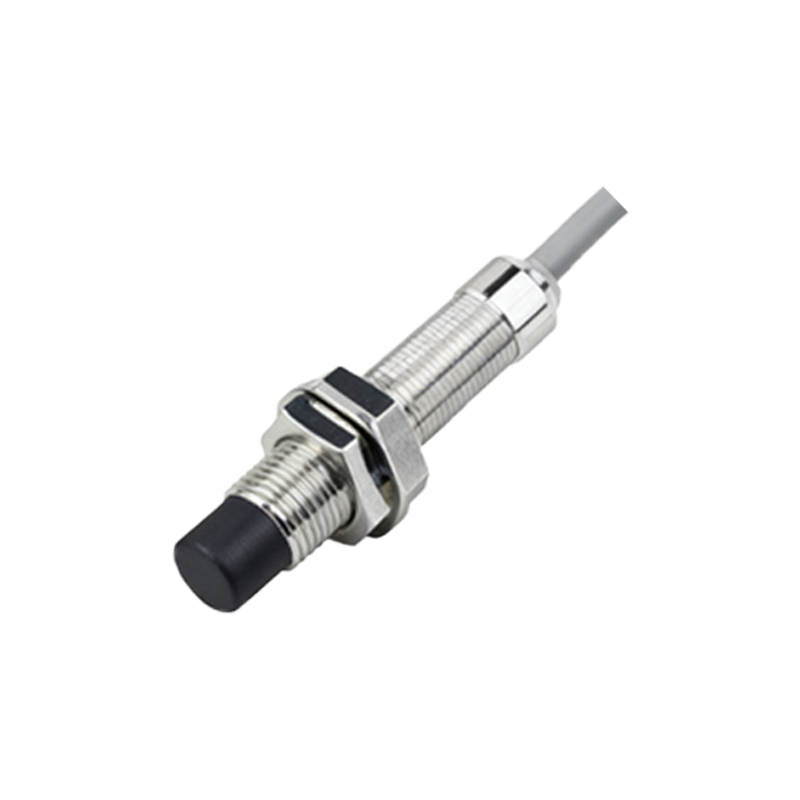
From a technical perspective, key specifications include sensing range, response time, and environmental ratings. Typical sensing ranges vary from a few centimeters to several meters, depending on the application. Fast response times, often in milliseconds, are crucial for real-time control systems in mining operations. These sensors are also rated for ingress protection (e.g., IP67 or higher) to resist dust and water, ensuring longevity in harsh settings. The integration of digital interfaces, such as IO-Link or CAN bus, allows for seamless communication with broader mining automation networks, facilitating predictive maintenance and data analytics.
The benefits of deploying intrinsically safe infrared proximity sensors extend beyond safety. They contribute to operational efficiency by enabling continuous monitoring without downtime for manual checks. In automated mining processes, these sensors help optimize material flow, reduce energy consumption, and minimize wear on machinery. For example, in vehicle guidance systems, they assist in navigating narrow passages or loading zones, preventing costly collisions. Moreover, their reliability reduces maintenance needs, lowering total cost of ownership over time.
Looking ahead, advancements in sensor technology are poised to further enhance mining applications. Innovations like enhanced infrared wavelengths for better penetration through dust, integration with IoT platforms for remote monitoring, and AI-driven analytics for predictive insights are on the horizon. However, challenges remain, such as ensuring compatibility with evolving mining equipment and maintaining certifications amid regulatory updates. Industry collaboration among sensor manufacturers, mining companies, and safety authorities will be essential to address these issues.
In conclusion, intrinsically safe infrared proximity sensors are indispensable tools in modern mining, offering a blend of safety, durability, and smart functionality. By detecting objects without contact in explosive atmospheres, they mitigate risks while boosting productivity. As mining operations increasingly embrace automation and digitalization, the role of these sensors will only grow, underscoring their importance in creating safer and more efficient workplaces underground and above.