In the rapidly evolving landscape of industrial automation, the question of legacy component viability is a constant. Among these components, the Proximity Sensor Model 12 has been a familiar name on factory floors for years. This article provides a technical and practical analysis to answer a common query: Is the Proximity Sensor 12 still usable today?
Fundamentally, the Proximity Sensor Model 12 is an inductive-type sensor designed for non-contact detection of metallic objects. Its core operating principle remains sound. It generates an electromagnetic field and detects eddy current losses caused by a target entering its sensing range. For basic detection tasks involving ferrous metals like steel or iron, the Model 12 can indeed still perform its primary function. If your application involves simple presence/absence detection of a metal part on a conveyor, or a limit position check for a steel actuator, the sensor can often get the job done. Its rugged housing, typically rated for IP67 protection, offers decent resistance to dust and water jets, contributing to its historical reputation for durability in harsh environments.
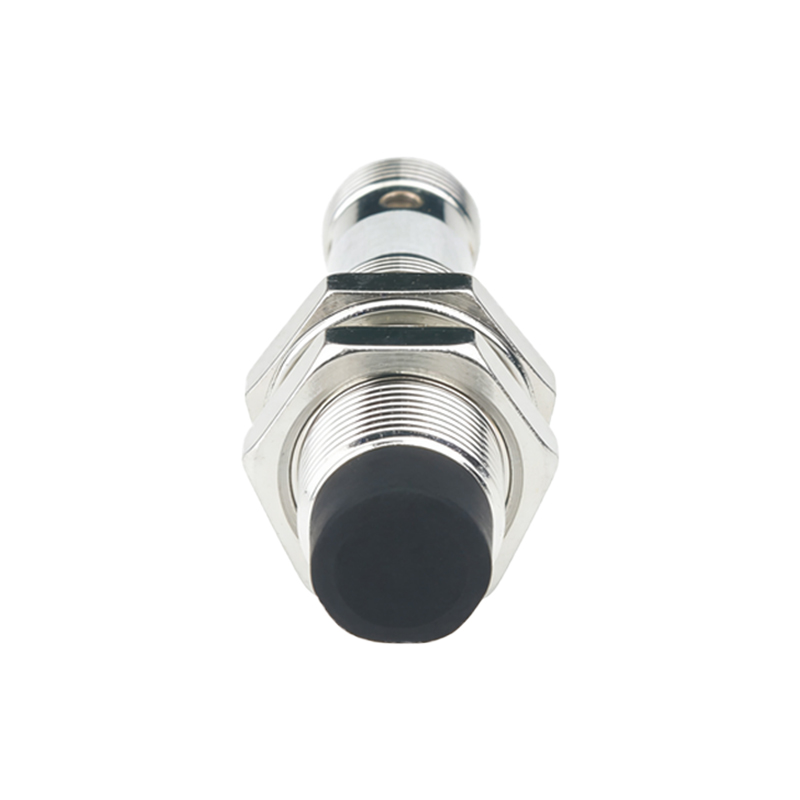
However, declaring it simply "usable" requires significant caveats rooted in modern industrial demands. The first major consideration is performance specification. The sensing distance of the Model 12 is often limited compared to newer models. Where contemporary sensors might offer 15mm or 20mm sensing ranges for an 18mm diameter housing, the Model 12 might provide only 5mm or 8mm. This reduction can limit installation flexibility and require more precise mechanical alignment. Its response frequency is typically lower, potentially capping its use in high-speed counting or sorting applications where newer, high-frequency sensors excel.
The second critical factor is output and connectivity. The Proximity Sensor Model 12 commonly features a simple 3-wire DC configuration with a PNP or NPN transistor output. While compatible with many standard PLC inputs, it often lacks the advanced diagnostics, IO-Link capability, or configurable outputs found in modern sensors. In an era moving toward Industry 4.0 and smart manufacturing, the Model 12 is essentially a "dumb" device. It cannot communicate operational health, temperature data, or allow for remote parameter adjustments, missing out on predictive maintenance and data integration opportunities.
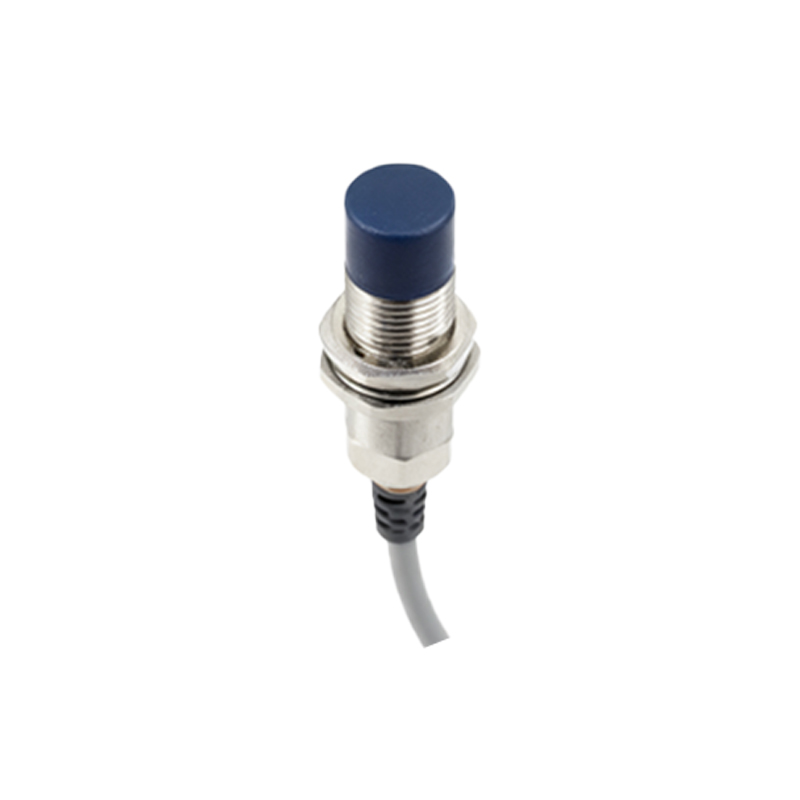
Electrical compatibility and efficiency are further points of scrutiny. Older models may have wider operating voltage ranges but less stable switching characteristics. Their residual current (leakage current) when in the "off" state can be higher than modern equivalents, which might cause issues with sensitive PLC input modules. Power consumption is also generally less optimized, a minor point for a single sensor but a consideration for large-scale deployments with hundreds of units.
From a supply chain and maintenance perspective, continued use carries risks. While some manufacturers or third-party suppliers may still stock the Model 12 or its direct equivalents, the long-term availability is uncertain. Obsolescence management becomes a key task. Furthermore, finding exact replacements during an unplanned downtime can be more challenging and time-consuming than sourcing a current-generation model. The cost of a new Model 12, if available, might not be significantly lower than a more capable modern sensor, negating any perceived price advantage.
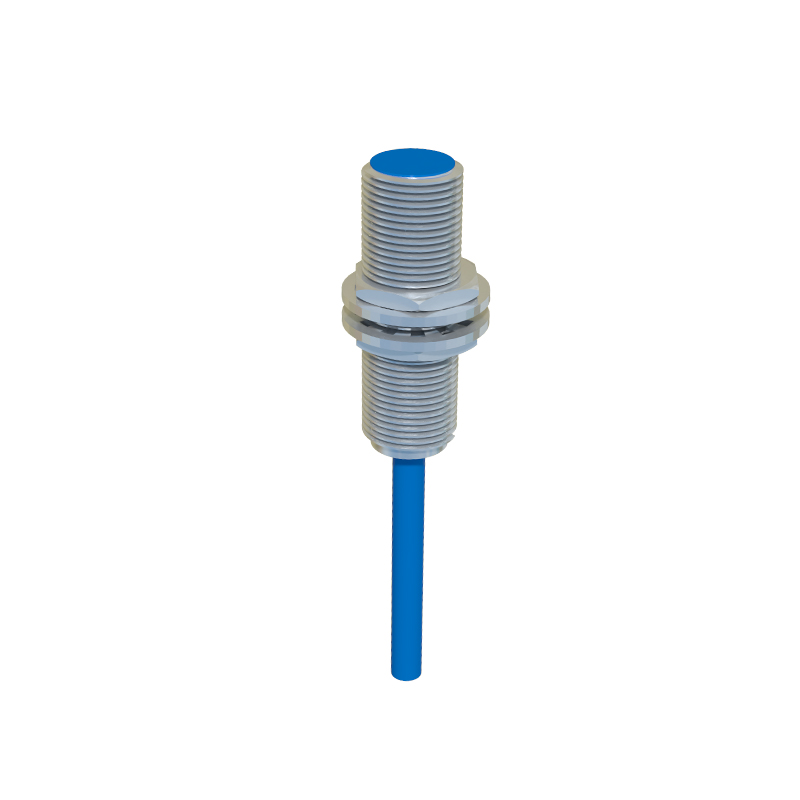
So, when is using the Proximity Sensor Model 12 a justifiable decision? It can be a viable short-term solution in several scenarios: for maintaining existing machinery where a like-for-like replacement is needed for immediate repair; in non-critical, low-speed applications with simple logic; or in cost-sensitive projects where the existing infrastructure and programming are tailored to it, and an upgrade would require extensive re-engineering. It serves as a testament to robust, albeit basic, engineering.
In conclusion, the Proximity Sensor Model 12 is not obsolete in the sense of being completely non-functional. For its core task of detecting metal, it often works. However, in the context of modern industrial applications demanding higher performance, smarter features, better efficiency, and future-proof connectivity, its usability is limited. It can be used effectively in specific, legacy-focused situations, but for new designs or system upgrades, investing in a contemporary proximity sensor is almost always the more reliable, feature-rich, and sustainable choice. The decision ultimately hinges on a technical audit weighing application requirements against the sensor's specific capabilities and the total cost of ownership, including future maintenance and integration potential.